


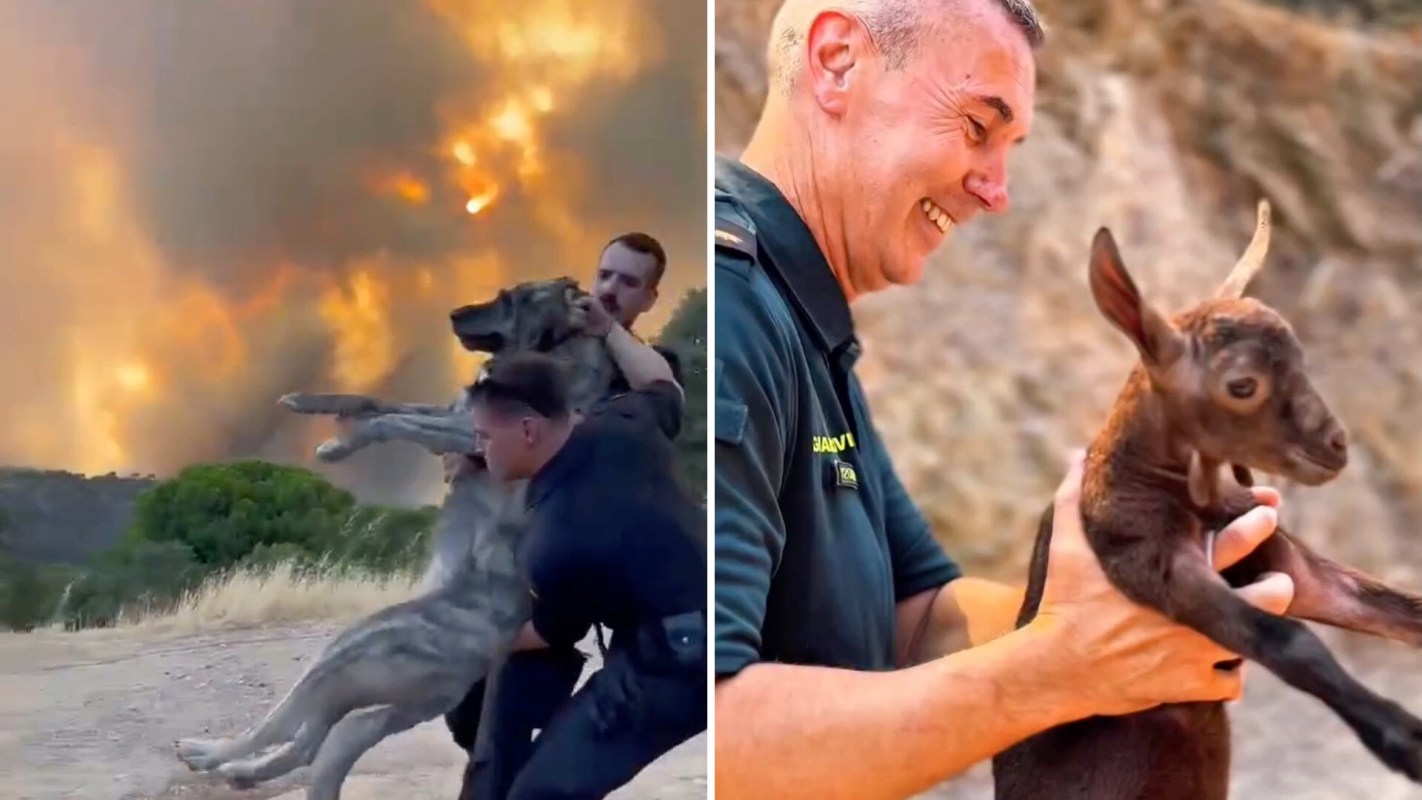
While communities west of Madrid evacuated as wildfires advanced, staff at Safari Madrid remained in place to secure the park's animals. Caretakers rushed birds, reptiles, and big cats into protected enclosures as rescue efforts spread across the region to save animals in danger.
What happened?
As reported by CNN, the blaze burned roughly 131 square miles near Madrid and triggered a wide-ranging effort to move animals out of harm's way. Safari Madrid became the central site in the urgent response.
Before the fire changed directions, it came to within about 1,640 feet (500 meters) of the safari park. As the flames approached, workers moved around 1,000 animals into air-conditioned indoor concrete spaces and sprayed down nearby land to try to keep the fire from reaching the facility.
Other emergency measures were taken outside the park as well. Mayor Aránzazu Povedano Fraguela said San Martín de Valdeiglesias used its bullring as a temporary shelter for horses, ponies, donkeys, goats, cats, and dogs.
The Spanish Civil Guard also took part in evacuating animals from farms and homes. In an Instagram post, the agency wrote, "We leave no one behind, whatever the species." They also shared videos of officers helping move horses and goats, inspecting ostriches, camels, and crocodiles, and rescuing household pets.
Why does it matter?
Climate-fueled disasters do not only endanger people and property. They also place pets, livestock, and wildlife in immediate danger, especially animals that rely entirely on human care.
TCD Picks » Quince Spotlight
💡These best-sellers from Quince deliver affordable, sustainable luxury for all




At nearby Kuna Iberica — a refuge for injured or abandoned animals — some wildlife also had to be relocated. Its director, Isaac Navarro, said a Eurasian lynx and an Iberian wolf were sedated so they could be taken to Safari Madrid, while other birds of prey were moved to another rescue center.
The Civil Guard also described how pets react during evacuations, saying, "They look so helpless and confused when we evacuate them, they just freeze completely. But they're another member of the family and even more so in these circumstances."
What's being done?
Luckily, teamwork and fast response teams were able to get animals to safety quickly and efficiently. Workers opened certain enclosure gates to let some animals escape immediate risk for a time, then resumed caring for them once conditions improved.
Describing the urgency of the response, Navarro said, "The evacuation plan was simply to take out everything we could, and everything we could get out, we would get out."
Even after the immediate threat eased, caretakers stayed watchful for possible flare-ups. Jose Luis Cano Becerro, a spokesperson for Safari Madrid, said crews inspected the burned ground and put out a smoldering piece of wood that might have started the blaze again.
People who want to support communities and wildlife facing climate disasters can look for trusted ways to help, including donating money to climate causes that fund resilience, emergency response, and long-term recovery.
Relief over the animals' safety was mixed with grief over the damage. Navarro said, "In the end you're left with the bitter feeling that the whole area, the whole region has been burned, but at least our animals are all safe."

Get TCD's free newsletters for easy tips, smart advice, and a chance to earn $5,000 toward home upgrades. To see more stories like this one, change your Google preferences here.







