


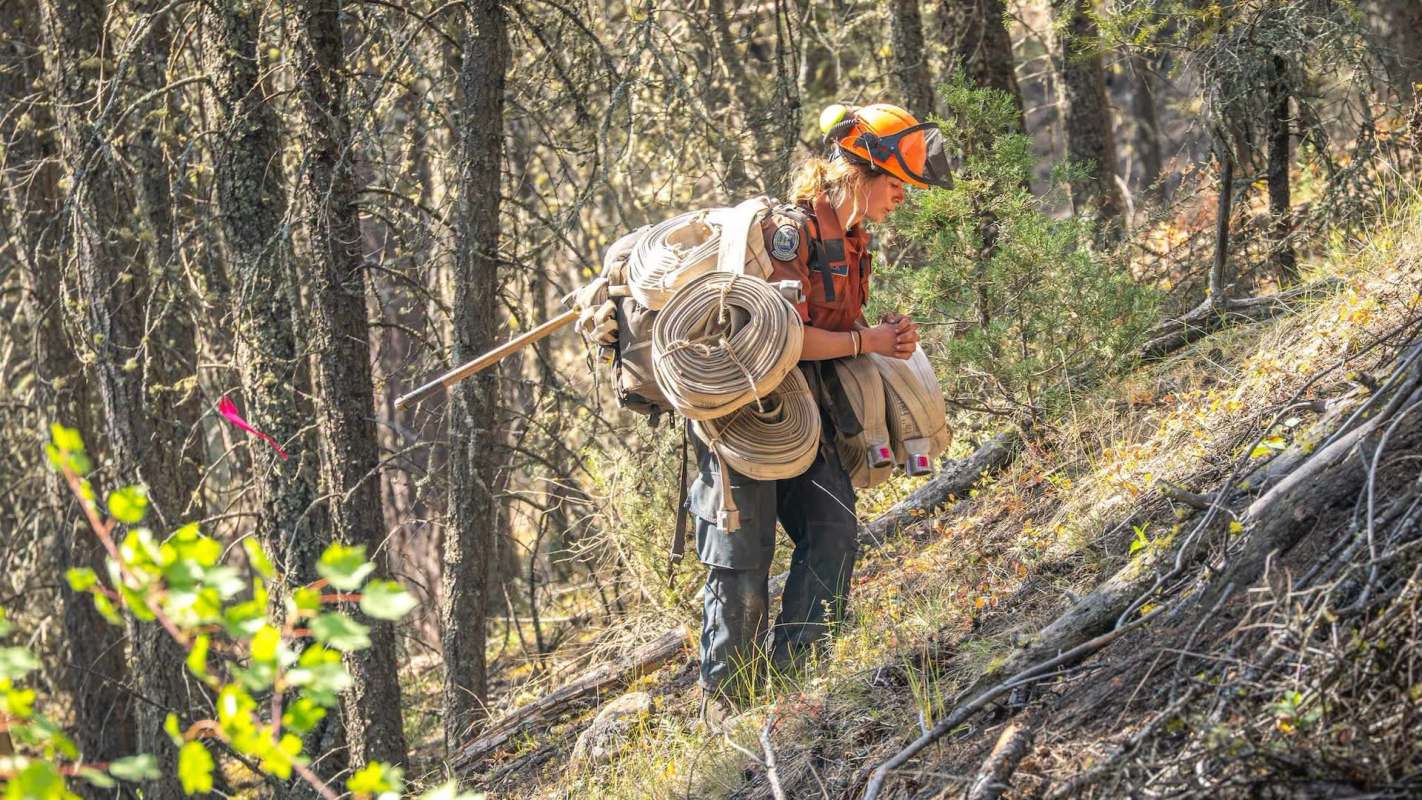
Communities along Okanagan Lake in the Canadian province of British Columbia emptied out as more than 20,000 residents were ordered to leave while crews battled a rapidly spreading wildfire.
Authorities said aircraft were deployed to pull dozens of residents to safety while prolonged drought, high temperatures, and wind drove dangerous fire activity. At least one person may have been killed amid the disaster, according to reports.
What's happening?
After the Bald Range wildfire — first reported on August 7 — ripped through areas near Summerland and Peachland, British Columbia declared a state of emergency. According to CBS News, the province had more than 100 active wildfires as of August 8, with nearly half considered out of control.
Officials ordered evacuations in Summerland, home to about 12,000 people, and for roughly 8,000 more people in and around Peachland. Premier David Eby's office said there had been "significant structure loss," but authorities could not fully assess the damage because the fire zone remained too active.
By August 9, CBS reported, the blaze grew to more than 53 square miles and pushed roughly 9 miles toward Okanagan Lake. Eby called it "a remarkable escalation in fire activity" and said the wildfire had become so intense it created its own weather system, including lightning.
Resident Anette Boulet, speaking from an evacuation center in Penticton, told CBS the advancing fire "looked like doomsday."
TCD Picks » Quince Spotlight
💡These best-sellers from Quince deliver affordable, sustainable luxury for all




What is the extent of concern?
Road closures added to the impacts. Highway 97, a key corridor through the region, was shut between Peachland and Penticton as evacuees packed the roads, making both departures and emergency response harder.
The Royal Canadian Mounted Police are investigating a possible wildfire death near Summerland, although dangerous conditions have made confirmation difficult.
British Columbia averages about 1,600 wildfires annually, and fire seasons across Canada have grown more severe, sending smoke over broad areas of Canada and the United States.
What's being done?
By declaring an emergency across the province, British Columbia gained broader powers to manage the crisis, including restricting travel and securing accommodations for evacuees.
TCD Picks » Quince Spotlight
💡These best-sellers from Quince deliver affordable, sustainable luxury for all
Forests Minister Ravi Parmar said 18 firefighting aircraft were used to rescue more than 50 people. Search-and-rescue crews were continuing to look for others who might have been trapped as the fire advanced.
According to Cliff Chapman, director of operations for the British Columbia Wildfire Service, conditions were "explosive."

Get TCD's free newsletters for easy tips, smart advice, and a chance to earn $5,000 toward home upgrades. To see more stories like this one, change your Google preferences here.







