


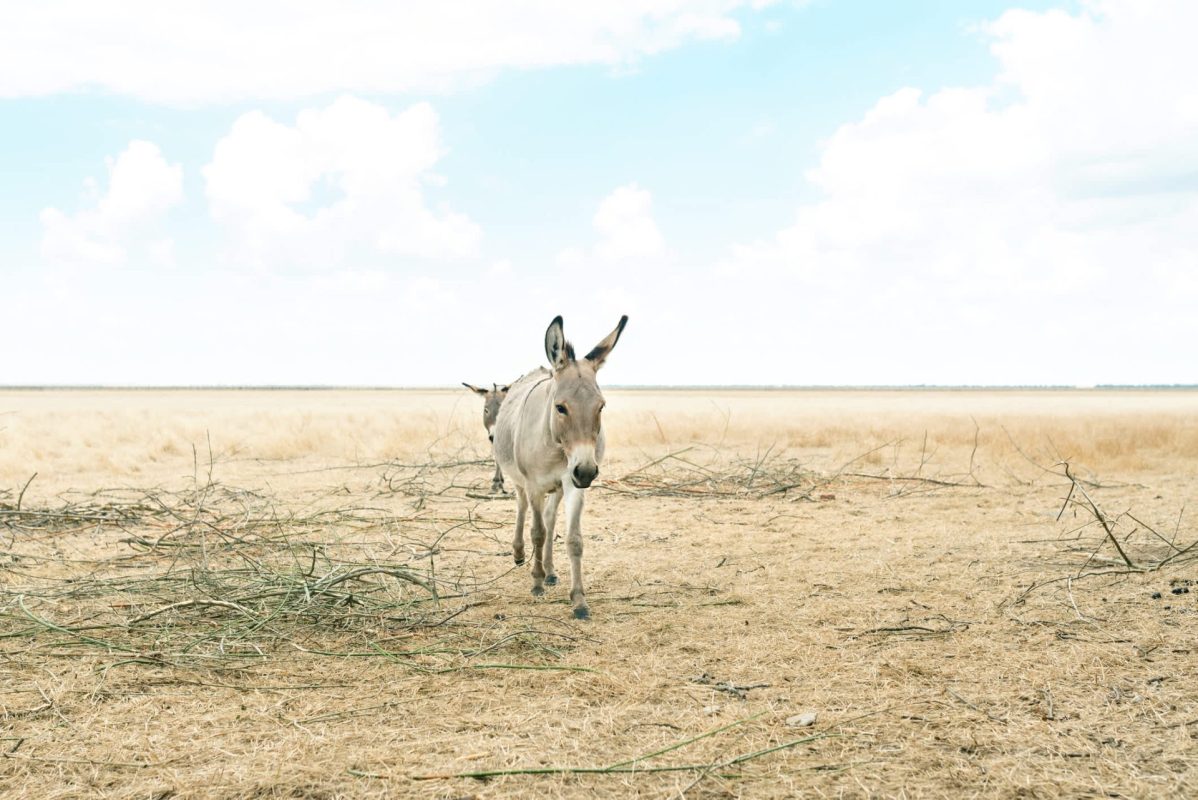
In war-scarred southern Ukraine, an unexpected ally is helping damaged grasslands recover: the kulan, a wild donkey. The effort has already produced a striking sign of progress — a foal that Positive News said was the first documented wild kulan birth in the area in 200 years.
What happened?
Even amid the conflict, restoration work in the Tarutino Steppe has moved forward. Since 2017, Rewilding Ukraine has been working to revive 600 hectares (1,483 acres) of previously plowed steppe in Odesa Oblast, Positive News reported, reintroducing native animals, including 35 kulan.
Petro Hramatik, a former head of the village of Vesela Dolyna and a volunteer with Rewilding Ukraine, told Perspective Daily that he feels closely connected to the landscape. "I genuinely love nature and I feel deeply connected to this landscape," he said.
Hramatik said the animals are already transforming the steppe. "The natural grazing of kulan is having very positive effects on the steppe," he said. "They reduce excessive dry vegetation, create more diverse plant structures, and open up space for different species to return."
A major turning point came in spring 2022, after a brutal winter, when a kulan foal was born — the first known wild birth of its kind in the area in two centuries.
Why does it matter?
Wildfire danger on the steppe is rising. Climate pressures make the landscape more prone to burning, and blasts linked to the war can spark fires during the summer. Hramatik explained why the kulan matter so much: "That's why the kulan are so important," because "they manage vegetation and reduce fire risk."
TCD Picks » Quince Spotlight
💡These best-sellers from Quince deliver affordable, sustainable luxury for all




The animals also help improve soil health by spreading nutrients and reducing runoff, making the landscape more resilient over time.
Mykhailo Nesterenko, head of Rewilding Ukraine, said the benefits extend beyond the ecosystem itself. "Nature restoration is important for communities too," he said. "Wetlands help communities adapt to climate and a healthy ecosystem also opens up the possibility of nature-based businesses, such as tourism."
That community impact is especially important in a region where incomes trail the national average and tourism has been heavily damaged by the war. Rewilding Ukraine is already planning for a future recovery through Eco-park Tarutino, which is intended for guided wildlife tours and observation points once travel becomes safer again.
What are people saying?
David Thomas, director of the Endangered Landscapes & Seascapes Programme at the Cambridge Conservation Initiative, said the work could provide "a road map, a blueprint for restoration of the area and development of the local economy."
Nesterenko said: "Our rewilding efforts in the Danube Delta show that Ukraine's nature is as resilient as the Ukrainian people, and the two depend on each other. I am confident that both will recover when the war ends."

Get TCD's free newsletters for easy tips, smart advice, and a chance to earn $5,000 toward home upgrades. To see more stories like this one, change your Google preferences here.







