


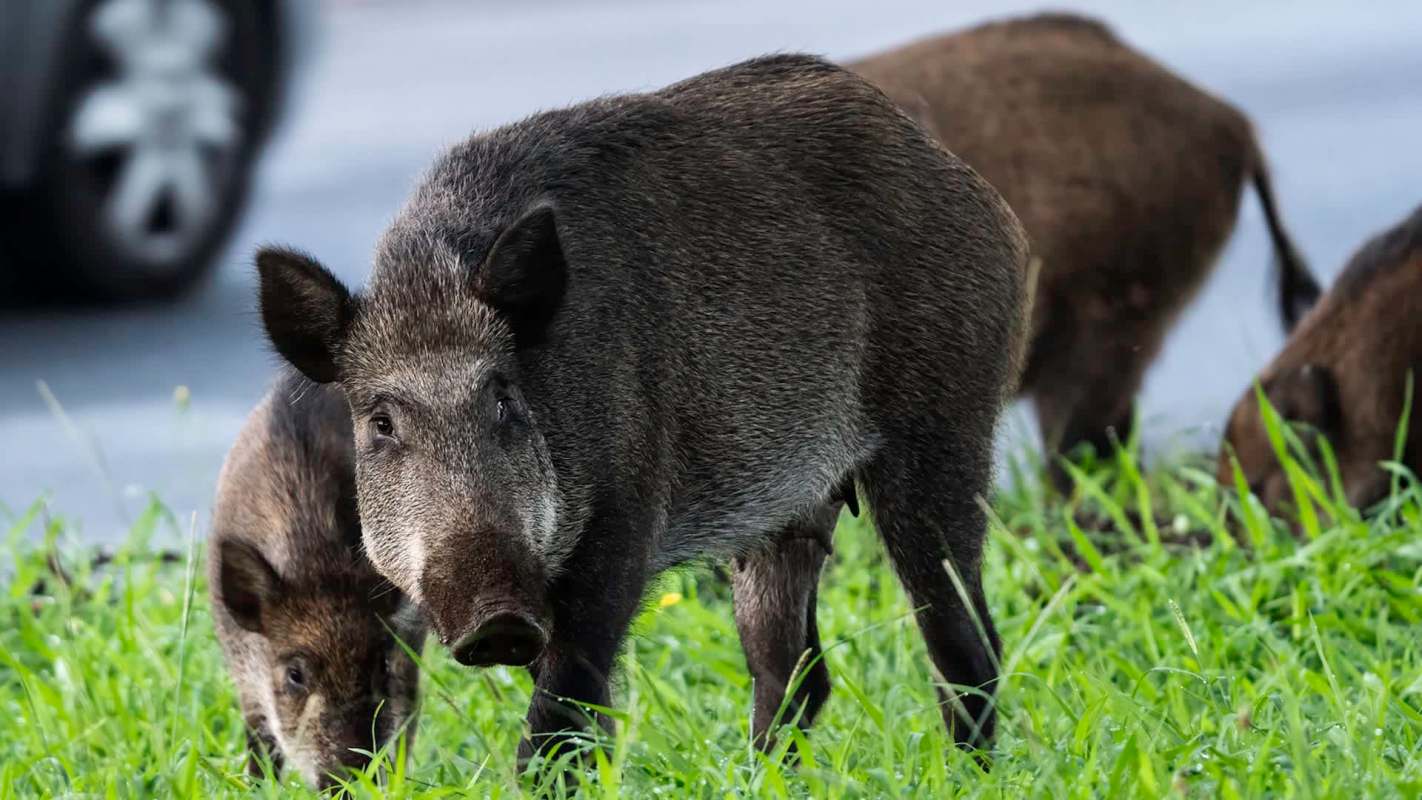
An ordinary stop on Warsaw's outskirts turned into a chaotic scramble when wild boars decided to steal a reporter's lunch, ripping into the bags strapped to her bicycle.
While the encounter may seem like a comical inconvenience, it also shows how easily human development, as well as food being left out, can bring wild animals into close contact with people.
What happened?
Local reporter Agnieszka Jaskulska used her phone to film the incident in Falenica, a district at the edge of Warsaw.
According to TVP World, the animals yanked a bag from the back of her bicycle and fought over the sandwiches inside. Earlier in the clip, a boar approaches the bike near a discount store before the rest of the herd joins in.
In a Facebook post that drew more than 1,700 comments, Jaskulska wrote: "The wild boar fought over my bike and sandwiches. Luckily, I managed to save one bag and the bike light; they ate or carried off the rest."
Jaskulska later told TVP3 Warszawa that she initially missed the animals because they were resting under an excavator. She also said they seemed used to nearby human infrastructure and appeared much more interested in feasting on food they could scavenge than attacking people.
TCD Picks » Quince Spotlight
💡These best-sellers from Quince deliver affordable, sustainable luxury for all




Around Poland's major cities, wild boars are a common sight near wooded areas and residential neighborhoods, where food is often easy to find.
Why does it matter?
The footage shows a serious urban wildlife issue: Animals quickly learn when human spaces offer easy meals. Leftover food, unsecured trash, and even groceries left on a parked bike can become powerful attractants.
Human expansion is also part of the problem. One commenter on Jaskulska's post wrote: "Every new resident in this area means a reduction in the wild boars' habitat. Yes. This is their home, and we have invaded it, destroying everything without a second thought."
Another woman commented: "I've had enough of them. On Thursday, we had a huge problem getting to therapy with our child because of a herd of wild boars that prevented us from leaving the building."
As BBC Future has noted, increased contact between people and wild animals is often tied to habitat pressure and human behavior that changes how animals search for food. That can raise risks for both animals and people.
What can I do?
Residents can take precautions in areas where wild boars are common, such as avoiding leaving groceries, lunches, or pet food unattended outdoors, and also ensuring trash is properly secured.
If you encounter wild boars, experts recommend keeping your distance, backing away calmly, and avoiding any attempt to corner or feed them. Parents and pet owners may also want to be especially cautious in known boar hotspots, particularly near wooded edges and construction zones.
Communities can also help by improving waste management and considering how development affects wildlife corridors and habitat. When animals lose the places where they live while gaining easy access to human food, these encounters become more likely.
The two young people who tried to intervene with a car horn reflected the instinct many people have in a tense moment, but prevention is usually safer than confrontation.
"I'd like to thank the two young people who tried to scare the wild boars away with a car horn," Jaskulska wrote. "It didn't help, though, as the sandwiches were more important, but thank you anyway."

Get TCD's free newsletters for easy tips, smart advice, and a chance to earn $5,000 toward home upgrades. To see more stories like this one, change your Google preferences here.







