


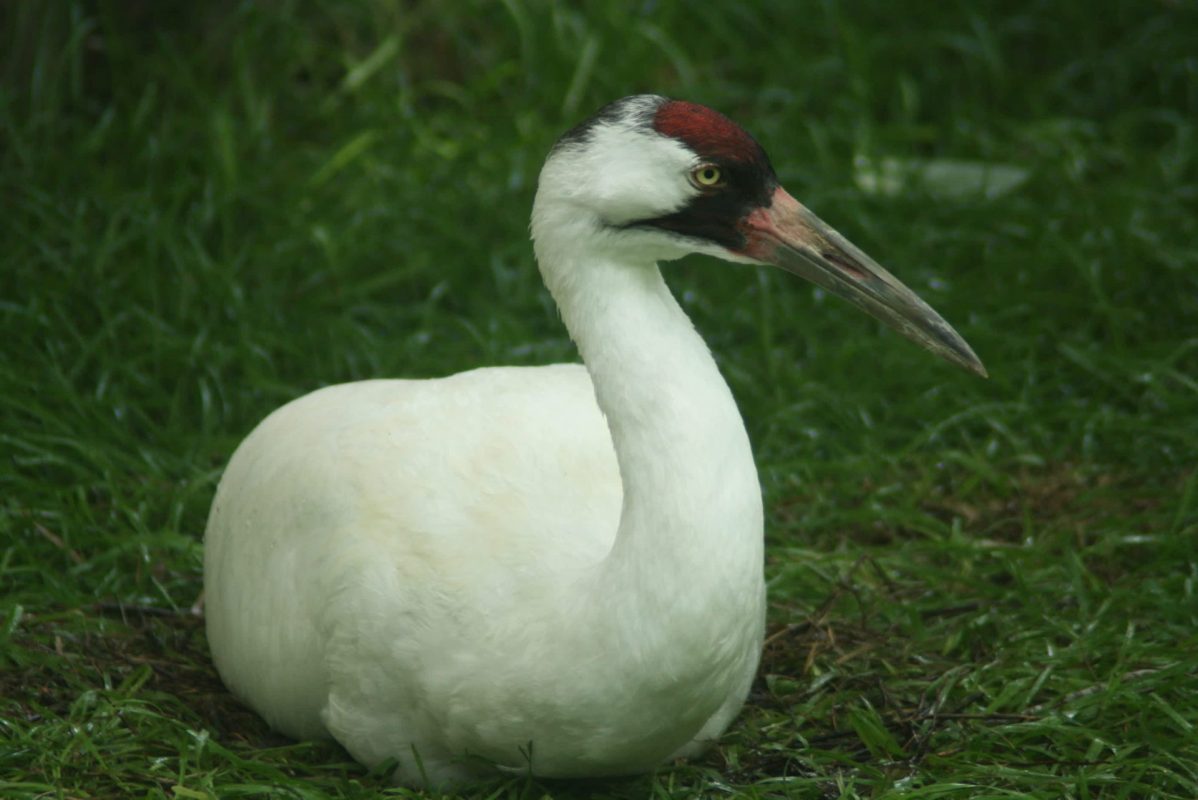
A fire near nesting areas in Canada's Wood Buffalo National Park has put fresh focus on the precarious recovery of the only naturally wild migratory flock of whooping cranes.
Officials describe the endangered birds as resilient. Even so, with a population of only around 550, even a small setback during nesting season could matter.
What happened?
The timing is part of the concern. When an early-season wildfire burned near several whooping crane nests in late May and June, adult birds were still incubating eggs, according to CBC News. Scientists and Parks Canada staff are now monitoring the aftermath.
Dan Rafla, resource conservation manager for Wood Buffalo National Park, said officials are "fairly confident the impacts to the population are not significant with this fire," even though "It may impact individuals' nest success."
After dropping to just 16 birds in the 1940s, the Wood Buffalo-Aransas whooping crane population has rebounded to roughly 550 today.
Each spring, the flock leaves Texas and travels nearly 2,500 miles to nesting grounds in northern Alberta and the Northwest Territories.
TCD Picks » Quince Spotlight
💡These best-sellers from Quince deliver affordable, sustainable luxury for all




For Diana Christie, the Wilder Institute's program conservation manager for whooping cranes, the rebound is encouraging but still limited.
"It truly has been a wonderful success story to see this population bouncing back. But we're still only talking about approximately 550 birds," she said.
Why does it matter?
To Mark Bidwell, senior wildlife biologist with the Canadian Wildlife Service, the scale of the event stands out.
"This is the first time in decades that we've seen such a large fire within the nesting grounds that is potentially impacting nests and maybe young chicks," he said.
One of the remote nest cameras researchers have used since 2022 is close to the fire zone. If it survived, it could provide a rare look at how parent cranes react to smoke, heat, and nearby flames while protecting eggs or chicks.
That could help shape future conservation efforts, especially if drought-driven wildfires become more common. Bidwell warned that "more frequent fires or more intense fires could have an effect on the population" if climate change continues to worsen dry conditions.
Protecting whooping cranes also helps preserve the surrounding wetland landscape, which supports biodiversity, cultural connections, and ecosystem health for people living in and around the region.
What are people saying?
Christie emphasized how vulnerable the flock remains: "The reality is that it's still a very sensitive size for a population when it's the only successful wild population that exists. Every little bit counts."
After decades of watching the birds, Ronnie Schaefer, a member of the Salt River First Nation, said, "I kind of just fell in love with the noise of them and how beautiful these big white birds are."
From his perspective, the stakes are high: "Even losing one nest to a wildfire like this, it'll be devastating for the whole flock."

Get TCD's free newsletters for easy tips, smart advice, and a chance to earn $5,000 toward home upgrades. To see more stories like this one, change your Google preferences here.







