


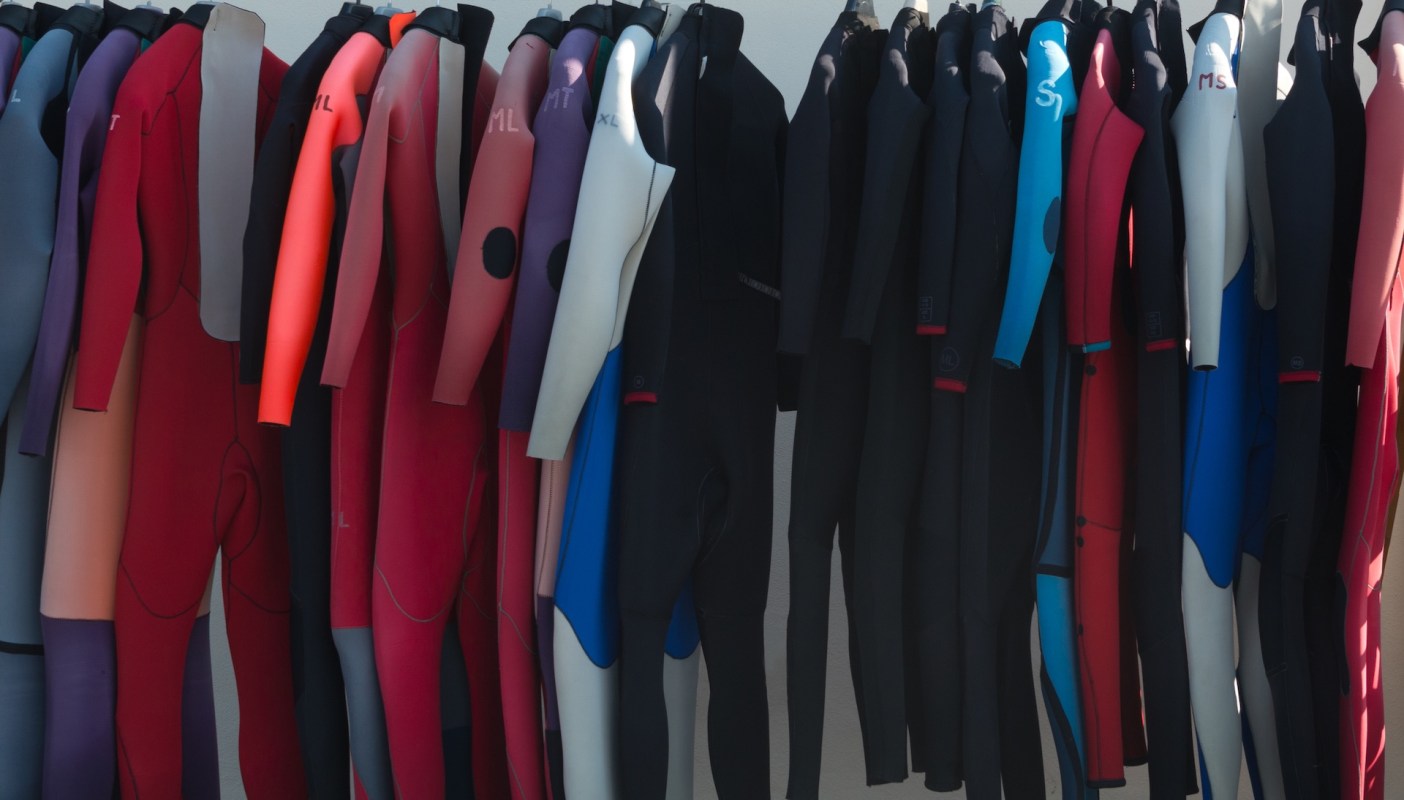
A landfill serving two of Vancouver Island's best-known surf towns is recycling old wetsuits instead of letting them rot in piles of trash.
At the West Coast Landfill between Tofino and Ucluelet, neoprene wetsuits are now officially banned from the dump, making the site one of the first in Canada to take that step.
Here's what to know
A Sept. 23 board amendment by the Alberni-Clayoquot Regional District, which operates the West Coast Landfill, formally designated wetsuits as prohibited waste.
According to CBC, people can drop off unwanted suits at the landfill's Ocean Plastic Depot, where they will be sent to a Surfrider Foundation Canada upcycling program.
Surfrider spokesperson Lilly Woodbury told CBC that neoprene is a synthetic plastic byproduct that does not biodegrade. In her view, diverting wetsuits from landfill is key to cutting plastic waste.
Framing the change as more than a disposal rule, ACRD board chair Jon Jack said the region is creating a new use for material that would otherwise be discarded.
TCD Picks » Quince Spotlight
💡These best-sellers from Quince deliver affordable, sustainable luxury for all




"By creating a dedicated recycling pathway for neoprene, we're reducing waste, supporting local innovation, and helping residents make more sustainable choices while turning waste into a resource," he said in a statement.
More background
According to Woodbury, Surfrider Foundation Canada — a Victoria nonprofit focused on ocean protection — has been trying since 2016 to keep wetsuits out of the landfill.
Before supporting a ban, she said, Surfrider wanted a collection process in place and local businesses familiar with how it would operate.
"We wanted to get all of the systems up and running, make sure everyone was educated, all the businesses know about it, get their participation, really creating that voluntary buy-in and cultural shift first," she explained.
Surfrider's long-running ReSurf initiative helped make that possible, with the program spending more than a decade collecting worn and retired wetsuits for recycling and upcycling.
She said ReSurf diverted more than 10,000 pounds of wetsuits from British Columbia landfills.
What's being done?
Residents and surfers can no longer dispose of worn-out wetsuits through the regular waste stream at West Coast Landfill. Instead, they must use the designated drop-off at the Ocean Plastic Depot on the same property.
That gives the region a local option for handling a difficult material.
Woodbury said Surfrider sees the landfill ban as only one part of the issue, with a longer-term push to get the industry off neoprene entirely.
As an example, she noted that Patagonia has already adopted Yulex, a natural rubber made from plants. Compared with conventional neoprene, she said, Yulex carries a smaller carbon footprint and does not use chemicals like chloroprene.
"We would love to see the whole industry ... move away from those synthetics, as one of the main things we work on is plastic reduction," she said.
Where can I learn more?
As communities look for better ways to keep old wetsuits out of landfills, other hard-to-recycle gear and textiles are also getting a second life. Related coverage digs into wetsuit innovation, textile waste turned into building insulation, new fabric-recycling methods, and the scale of clothing waste in China and Australia.
• Patagonia has already moved wetsuit design forward with a first-of-its-kind product built for reuse and durability.
• At Hong Kong Polytechnic University, engineers turned textile waste into energy-efficient building clothing for insulation.
• Scientists have unveiled a groundbreaking method of separating cotton-polyester fabrics before they reach landfills.
• In China, clothing waste now dominates landfills at a staggering national scale without stronger incentives.
• In Australia, discarded apparel is reaching six tonnes every 10 minutes in landfills.

Get TCD's free newsletters for easy tips, smart advice, and a chance to earn $5,000 toward home upgrades. To see more stories like this one, change your Google preferences here.







