


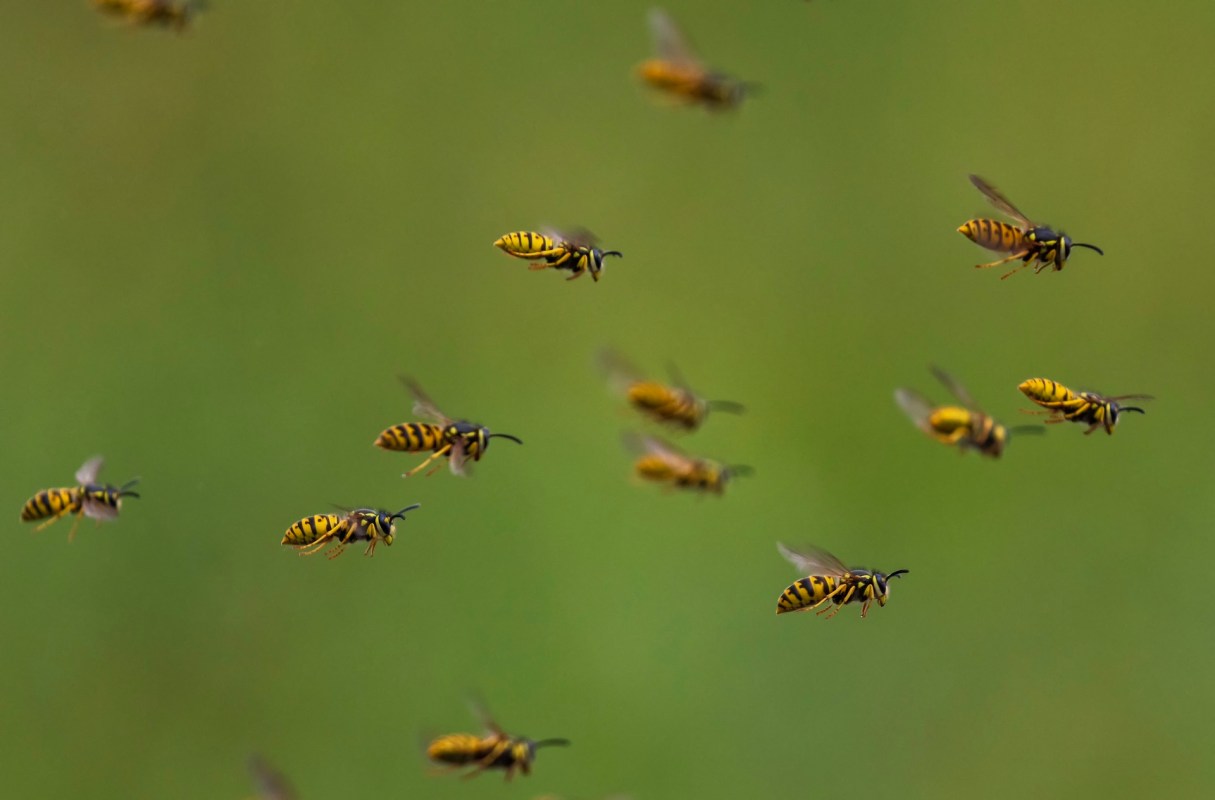
A climber's run-in with a wasp swarm north of Vancouver ended in a helicopter evacuation.
Here's what to know
A wasp swarm caused mayhem on a trail, stinging several hikers and rescue crew amid a late-summer rise in wasp activity across British Columbia.
CKPG Today reported, as first published by The Canadian Press, that Maria Masiar, search manager with Lions Bay Search and Rescue, said the insects stung one hiker 20 times, then struck responders and another group of hikers several times, who were sent scrambling after arriving on scene.
More background
Mat Neale, Manager at Solutions Pest Control in Metro Vancouver, said warm weather and abundant food have helped drive up wasp numbers, causing a "dramatic increase" in wasp calls — 8 to 10 calls a day.
Hemlock looper moths — a prime food source for wasps — have experienced a recent population boom.
"Once it gets warm enough for their food sources to wake up, then so do they," said Neale.
TCD Picks » Quince Spotlight
💡These best-sellers from Quince deliver affordable, sustainable luxury for all




Organizations involved in backcountry safety and rescues have warned about unusually high numbers of aggressive wasps on popular trails. Their nests can be hidden beneath rocks, logs, or vegetation next to trails.
"By August and September, a single colony may contain hundreds to thousands of worker wasps, all protecting the nest and searching for food as natural food sources become scarce," the online warning said.
Neale said he recently hiked on Gambier Island in Howe Sound, spotted about nine wasp nests, and was the only hiker out of nine who didn't get stung that day.
"Someone kicks a log, and boom, they all come out," said Neale.\
What's being done?
The Squamish Off-Road Cycling Association advised riders to avoid ground nests by strictly staying on marked trails and keeping dogs close or leashed. They also said to carry an EpiPen or allergy meds in case of an allergic reaction.
The post warned, "Keep moving if you hear buzzing or notice activity near the ground; do not swat or linger."
Data from hikers in the Sea to Sky area and the Fraser Valley helped craft an online "wasp watch" map based on recent encounters.
Neale explained that unlike bees, wasps can sting an almost unlimited number of times. Because of this, the only way to protect yourself is to run.
"Twenty wasps in the area; you could get stung 60 to 100 times if you don't remove yourself."
Where can I learn more?
In other parts of North America, officials have also been responding to increased bee and hornet encounters that can quickly turn dangerous.
• Across 13 states, officials warned that devastating attacks from Africanized bees can escalate fast.
• In South Carolina, officials said yellow-legged hornets pose a significant threat to beehives.
• Georgia confirmed a yellow-legged hornet, a relative of the murder hornet, is threatening honeybees.

Get TCD's free newsletters for easy tips, smart advice, and a chance to earn $5,000 toward home upgrades. To see more stories like this one, change your Google preferences here.







