


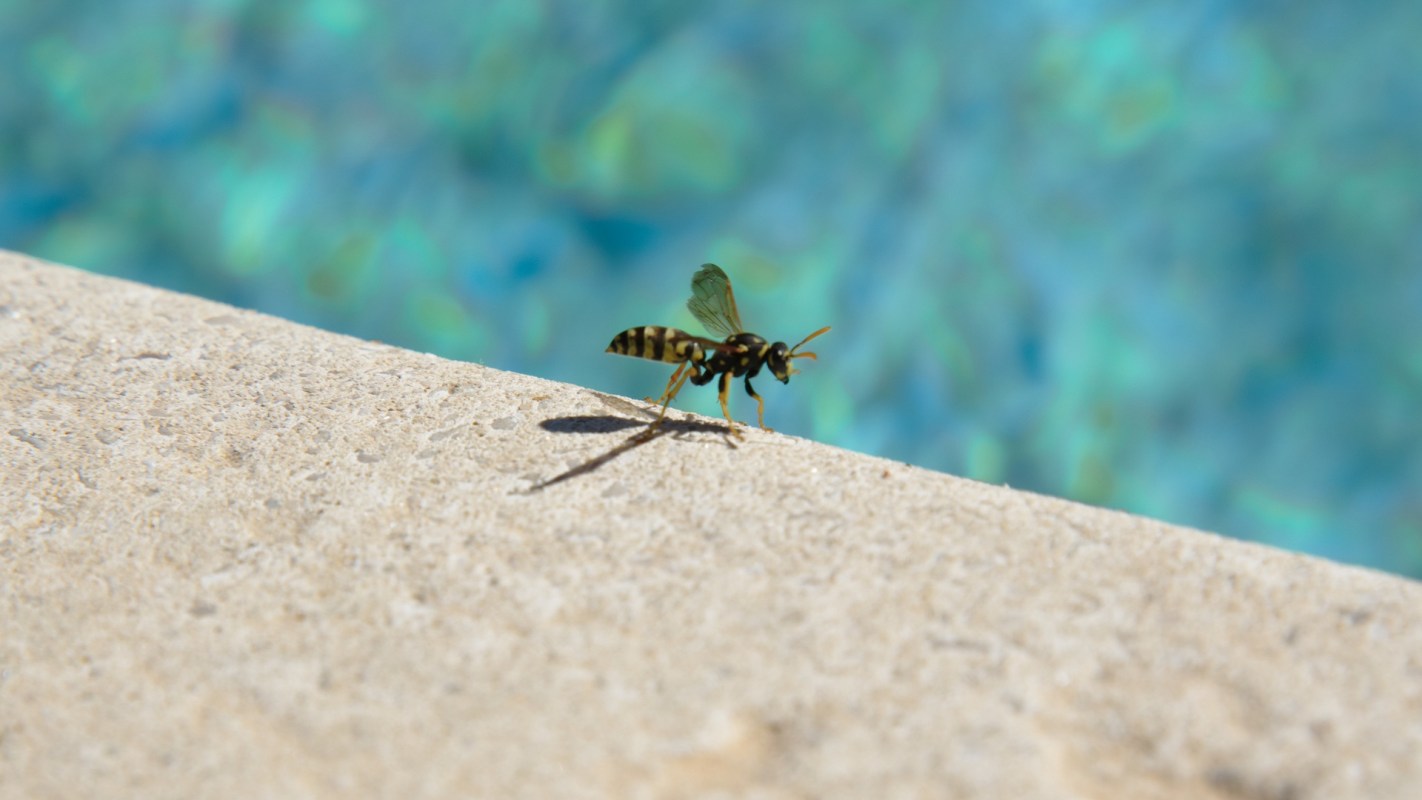
South Anchorage resident Jessie Rice was hoping to let her children cool off in a backyard kiddie pool in late July, but they soon had to dash for cover when yellowjackets swarmed the area.
Rice was stung three times during another swarm near her shed a few days later, and the family stopped using the yard altogether.
Warmer, longer summers can mean more time outdoors for both people and stinging insects, and this year's overlap has been especially rough for Southcentral Alaska.
Here's what to know
Rice told Alaska Public Media that she's lived in Anchorage for more than 40 years and has never seen a wasp problem like this.
"I set up a little pool for them, and then we just got swarmed with wasps," she said of her children. "I don't know why there's so many this year. It's just crazy."
University of Alaska Fairbanks entomologist Alex Wenninger explained to the publication that yellowjackets are a kind of wasp that build papery nests. In Alaska, it's not unusual to be stung by the insects.
TCD Picks » Quince Spotlight
💡These best-sellers from Quince deliver affordable, sustainable luxury for all




Because Alaska doesn't have funding for formal yellowjacket population tracking, Wenninger said she follows reports through iNaturalist instead.
"We don't have evidence to support that there are more of them this year," she observed.
One exterminator, however, said the season looks much busier, with a rare spike in sightings.
"I've been in the business for 24 years, and we've seen levels like this twice," Randy Beuter of Eagle Pest Control observed. "Ten years ago and now."
More background
Wayne Olszak, owner of Kicking Ant's Pest Control, said yellowjacket calls are coming in at about four times his usual pace. He told Alaska Public Media that the pattern appears cyclical and could be connected to spring conditions. In his view, a late spring followed by a rapid shift into summer may have let more queens survive.
Beuter said he removed seven nests from a single Anchorage Hillside property.
"They were just completely around the house, and they were all about the size of a volleyball," he said.
Human activity plays a role too. As people build and spend more time in spaces that overlap with wasp habitat, run-ins like Rice's become more likely. It's a pattern that is also showing up with other wildlife across the country.
What can be done?
Setting off a yellowjacket nest nearby can lead to several stings very quickly.
"I wouldn't recommend trying to handle them yourself if you don't like getting stung," Olszak said.
Rice noted she's eager for the first frost, when the wasps will no longer be a concern.
"I don't even want to go back out here and play," she said. "We'll go to the trampoline park or something where there's no wasps."
Where can I learn more?
Anchorage's yellowjacket surge is one example of how quickly seasonal wildlife problems can take over outdoor spaces.
• In Utah, officials used extreme methods to combat Aedes aegypti mosquitoes as residents begged for relief.
• In Florida, homeowners found an alligator in the pool during the peak of mating season.
• In Missouri, a backyard mountain lion sighting caused a scare for local residents.

Get TCD's free newsletters for easy tips, smart advice, and a chance to earn $5,000 toward home upgrades. To see more stories like this one, change your Google preferences here.







