


A Canadian pipeline proposal is drawing opposition in Washington state, where the non-profit organization Friends of the San Juans is urging residents to respond. The group says Pacific Link could deliver up to 1 million barrels of tar sands crude oil each day to a planned export terminal just north of the border.
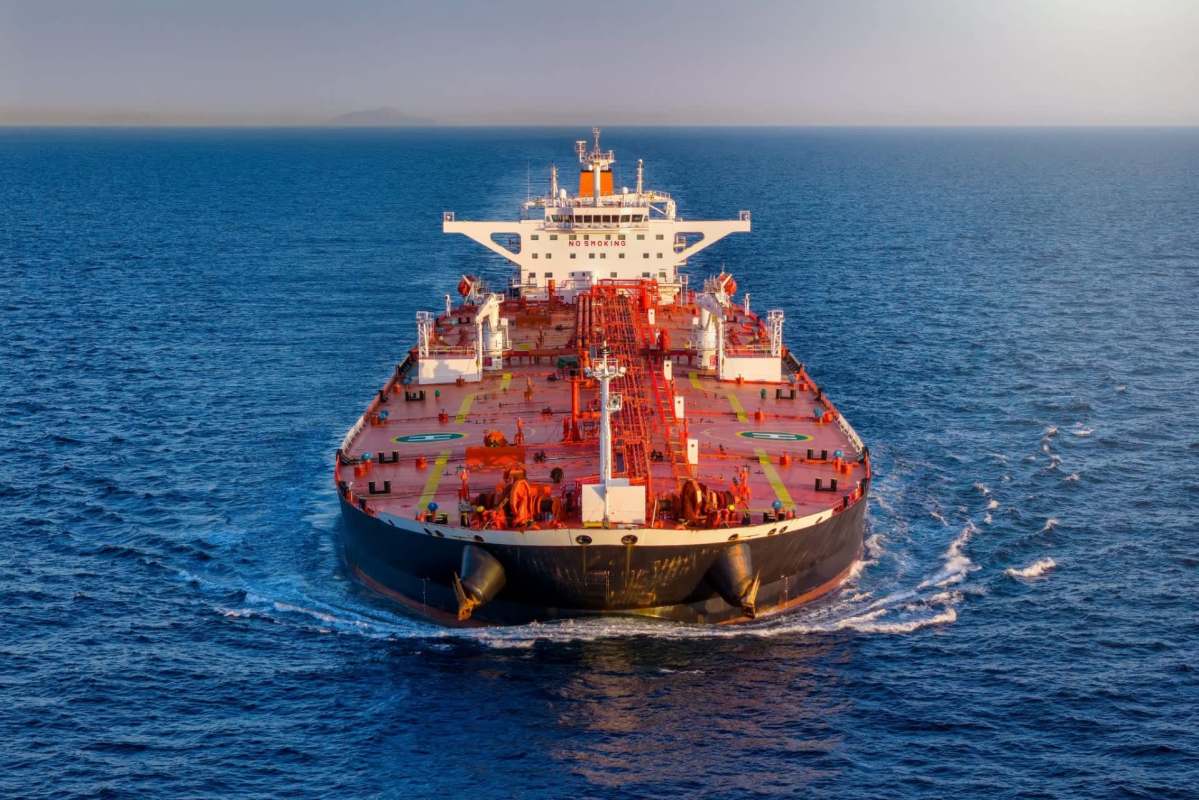
It says the shipping tied to that project is also a major concern. According to Friends of the San Juans, the terminal would send Very Large Crude Carriers, or supertankers, through the Salish Sea, raising worries for Washington communities, tribes, fishing interests, and Southern Resident killer whales.
Here's what to know
Friends of the San Juans is seeking signatures through Oct. 19 on a petition asking Gov. Bob Ferguson, Washington Department of Ecology Director Casey Sixkiller, and state agencies to oppose Canada's proposed Pacific Link pipeline, according to the Journal of the San Juan Islands.
Previously known as the West Coast Oil Pipeline, the project would move tar sands crude oil to Roberts Bank, British Columbia, where it would be loaded onto supertankers for export.
The group says the border would offer no protection in the event of a spill, vessel casualty, or terminal accident, with possible consequences for Washington's marine ecosystems, public health, and regional economy.
"Washington must not be left to bear the risks and costs of another Canadian tar sands crude oil export project. State leaders must use every available legal and regulatory tool to oppose this proposal. If Canada allows it to proceed, Washington must demand binding, fully funded protections on both sides of the border," said Eva Schulte, executive director of Friends of the San Juans.
TCD Picks » Quince Spotlight
💡These best-sellers from Quince deliver affordable, sustainable luxury for all




Tensions rose further when Canada labeled Pacific Link a "project of national interest," setting off an expedited federal review. In a joint statement, Ferguson and Sixkiller said they were disappointed by the move, warning it could speed up the project while reducing environmental review and opportunities for public input.
More background
Friends of the San Juans notes that the United States barred supertankers from operating in Washington waters east of Port Angeles.
The group contends that a Pacific Link terminal would bring those vessels back into the Salish Sea's shared waters, adding underwater noise, air and water pollution, and a higher risk of accidents.
With Southern Resident killer whales already critically endangered, opponents say expanded crude exports through Roberts Bank could also cause lasting harm to tribes, fisheries, public health, regional economies, and marine ecosystems.
What can be done?
The organization wants signatures collected by Oct. 19, saying state leaders should hear public opposition before Canada acts on a proposal that could increase risks for Washington waters and nearby communities.
The petition asks Ferguson, Sixkiller, and state agencies to use "every available regulatory, diplomatic, technical and legal avenue" to oppose the pipeline.
It also sets out a fallback position if the project moves ahead: Washington should pursue enforceable, fully funded safeguards to reduce shipping impacts, lower spill risk, and ensure response capacity is in place.
Friends of the San Juans has also been monitoring the Pacific Link proposal alongside other projects that the group says could add vessel traffic in the Salish Sea. Its work has included public education and encouraging residents to take part in comment opportunities tied to those reviews.
As Schulte warned, "Protection conditions that exist only in British Columbia would leave Washington state dangerously exposed. A credible prevention and response system including the people, vessels, equipment, funding, and decision-making protocols must be provided on both sides of the border."
Where can I learn more?
For a broader look at fights over oil development, pipeline expansion, and marine wildlife, these stories dig into similar conflicts across North America. They cover Canada's pipeline push near endangered orcas, Indigenous resistance to Arctic drilling, and endangered species protections in the Gulf of Mexico.
• In Canada, an oil pipeline push raises fears that endangered Southern Resident orcas could edge toward extinction.
• In Point Hope, Alaska, defending an Arctic home from oil drilling became one leader's life's work.
• In the Gulf of Mexico, officials say companies can ignore endangered species protections offshore.

Get TCD's free newsletters for easy tips, smart advice, and a chance to earn $5,000 toward home upgrades. To see more stories like this one, change your Google preferences here.







