


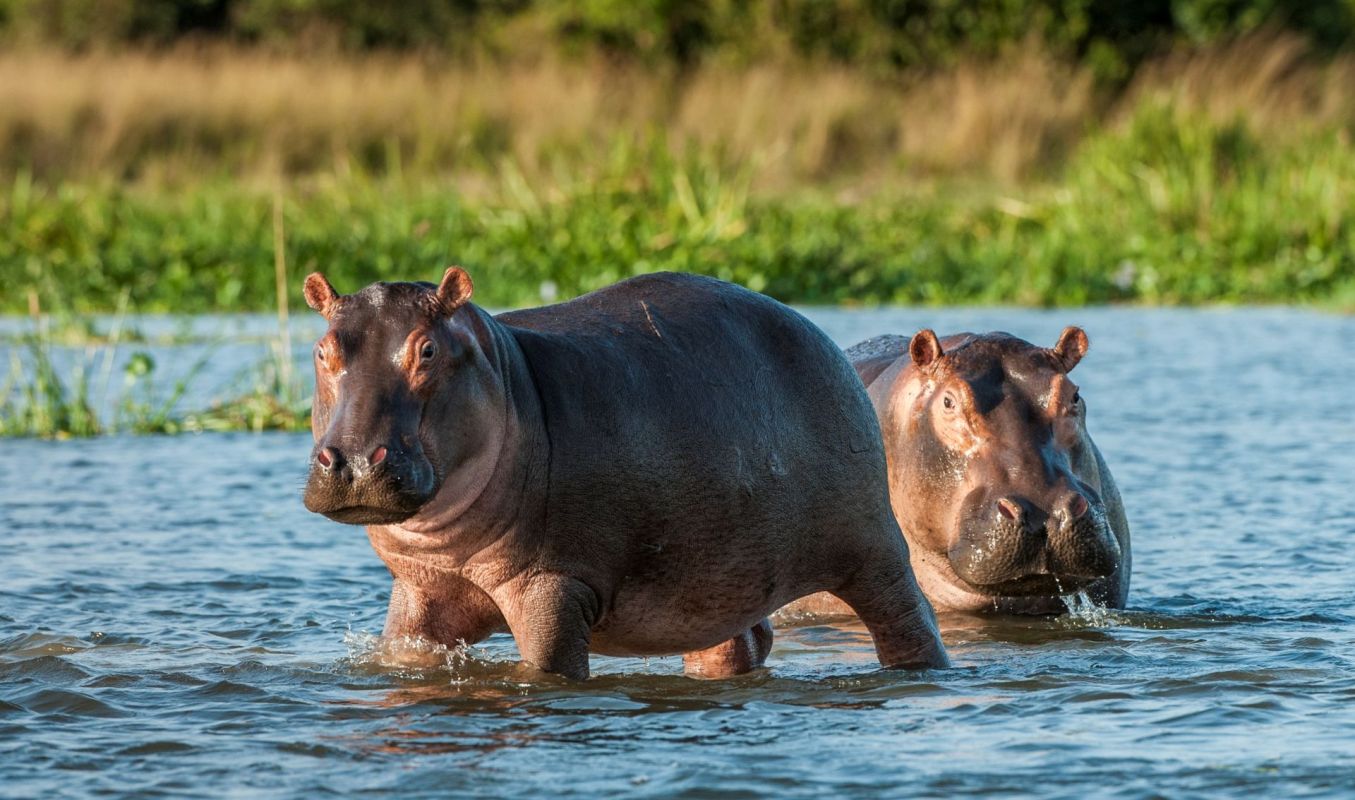
Significant rainfall may have helped halt an anthrax outbreak that killed at least 30 hippos in Virunga National Park in the Democratic Republic of the Congo, according to ABC News.
Here's what to know
Virunga is Africa's oldest national park.
The outbreak was detected in September, and laboratory testing established that anthrax caused the deaths.
Park authorities suspected heavy rain caused the break in cases.
Laura Parker, who leads conservation programs at Virunga, told ABC News that no new cases had been identified in two weeks.
"Park authorities are attributing this to the arrival of significant rainfall and are cautiously optimistic that there won't be any further cases, but monitoring protocols continue," Parker stated.
TCD Picks » Quince Spotlight
💡These best-sellers from Quince deliver affordable, sustainable luxury for all




More background
Anthrax spores can remain dormant for long periods.
According to the World Health Organization, the disease can pass from animals to people and is caused by spore-forming bacteria found naturally in soil across much of the world, ABC News noted.
An outbreak last year killed 65 hippos and also affected buffalo, Parker noted.
"Anthrax does not exclusively affect hippos, but they are more susceptible due to a combination of their biology and feeding habits," Parker told ABC News.
Contact with a sick animal or contaminated animal products is one way people can contract anthrax.
What's being done?
Park officials warned residents within and near the outbreak zone to not touch dead animals or eat them.
Residents who find a dead animal should notify authorities, officials advised.
"Virunga's response is focused on surveillance, safe carcass management, and reducing risks to both wildlife and people," Parker told ABC News.
Where can I learn more?
Disease outbreaks can threaten both wildlife and people.
• Texas drove the U.S. screwworm count to 49 as USDA officials warned risks remained.
• In Queensland, a snake call revealed a fatal fungal disease described as "horrifically contagious."
• In Maryland, a beaver that bit a 13-year-old at Cunningham Falls State Park tested positive for rabies.

Get TCD's free newsletters for easy tips, smart advice, and a chance to earn $5,000 toward home upgrades. To see more stories like this one, change your Google preferences here.







