


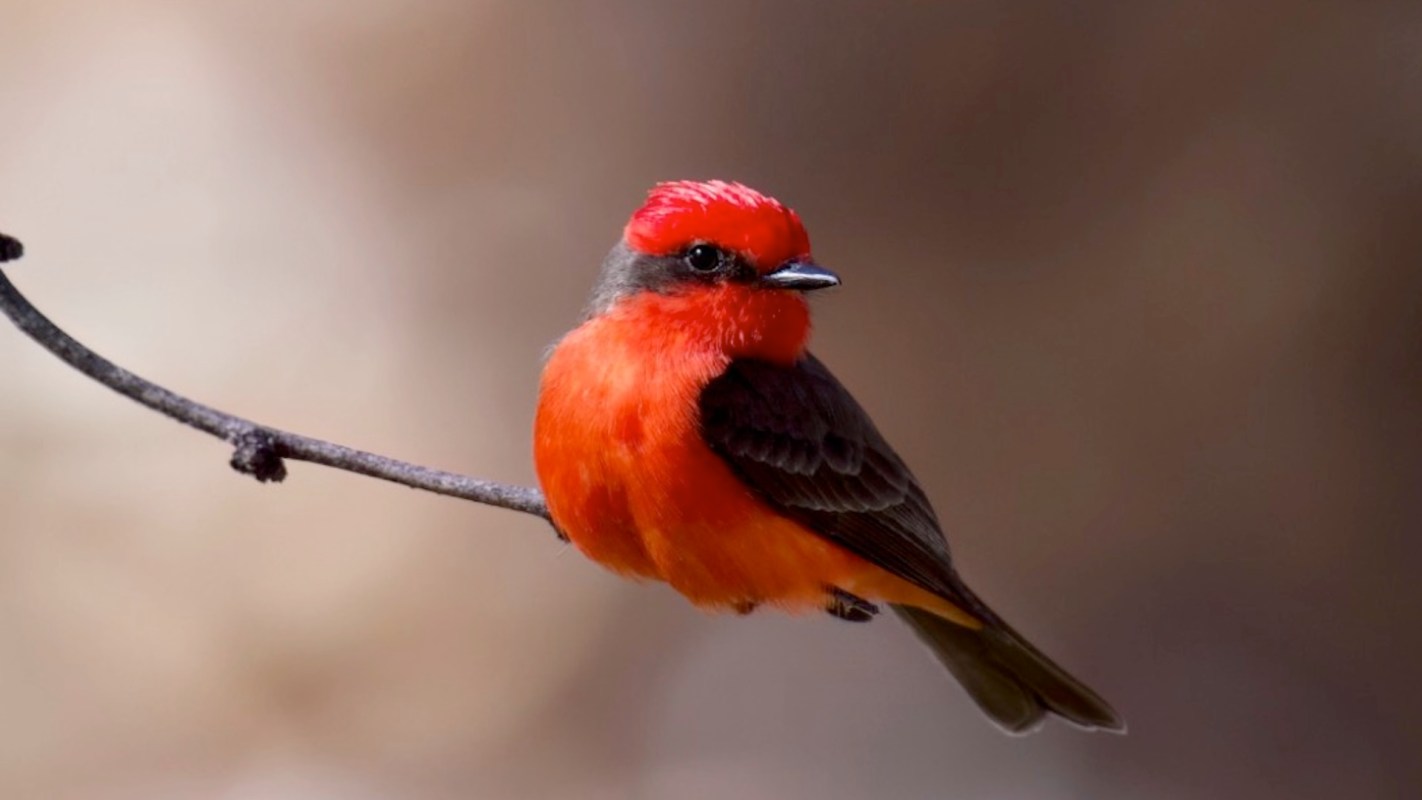
Among the most eye-catching birds in the southern United States is the vermilion flycatcher, whose vivid red plumage is hard to miss.
What's happening?
A recent Instagram post from the National Audubon Society (@audubonsociety) highlighted the bird and noted the places where sightings are most likely. The post included a vivid photo of a male perched out in the open, with its scarlet feathers standing out against the landscape.
The post's caption described the species as one that is "usually seen perched fairly low in open areas near water, dipping their tail gently like a phoebe."
The organization also noted that males put on a visual display, "puffing up their feathers and fluttering high in the air while singing repeatedly."
Why does it matter?
The National Audubon Society identified open ground near bodies of water as places to find the bird. Those ecosystems support a broad range of wildlife. While they're rare in the United States, they are far more common in Mexico and Central America.
Sightings of wildlife like the vermilion flycatcher in these habitats are good indicators of a healthy ecosystem. Moreover, striking photos and social media posts can bring attention to lesser-known species, providing more opportunities for conservation education and wildlife rehabilitation efforts.
TCD Picks » Quince Spotlight
💡These best-sellers from Quince deliver affordable, sustainable luxury for all




"I've never seen one but he's beautiful!" wrote one commenter.
How do I spot a vermilion flycatcher?
To boost your odds of spotting a vermilion flycatcher, focus on open southern landscapes near water, particularly areas with exposed perches.
A slower pace can help: check low branches and fence lines, and look for the gentle tail-dipping Audubon mentioned. Binoculars can be useful, but they are not required to catch an initial sighting.
The bird's bright coloration, especially in males, can make it easier to spot than many smaller species if you are patient and keep your eyes on likely perches.

Get TCD's free newsletters for easy tips, smart advice, and a chance to earn $5,000 toward home upgrades. To see more stories like this one, change your Google preferences here.







