


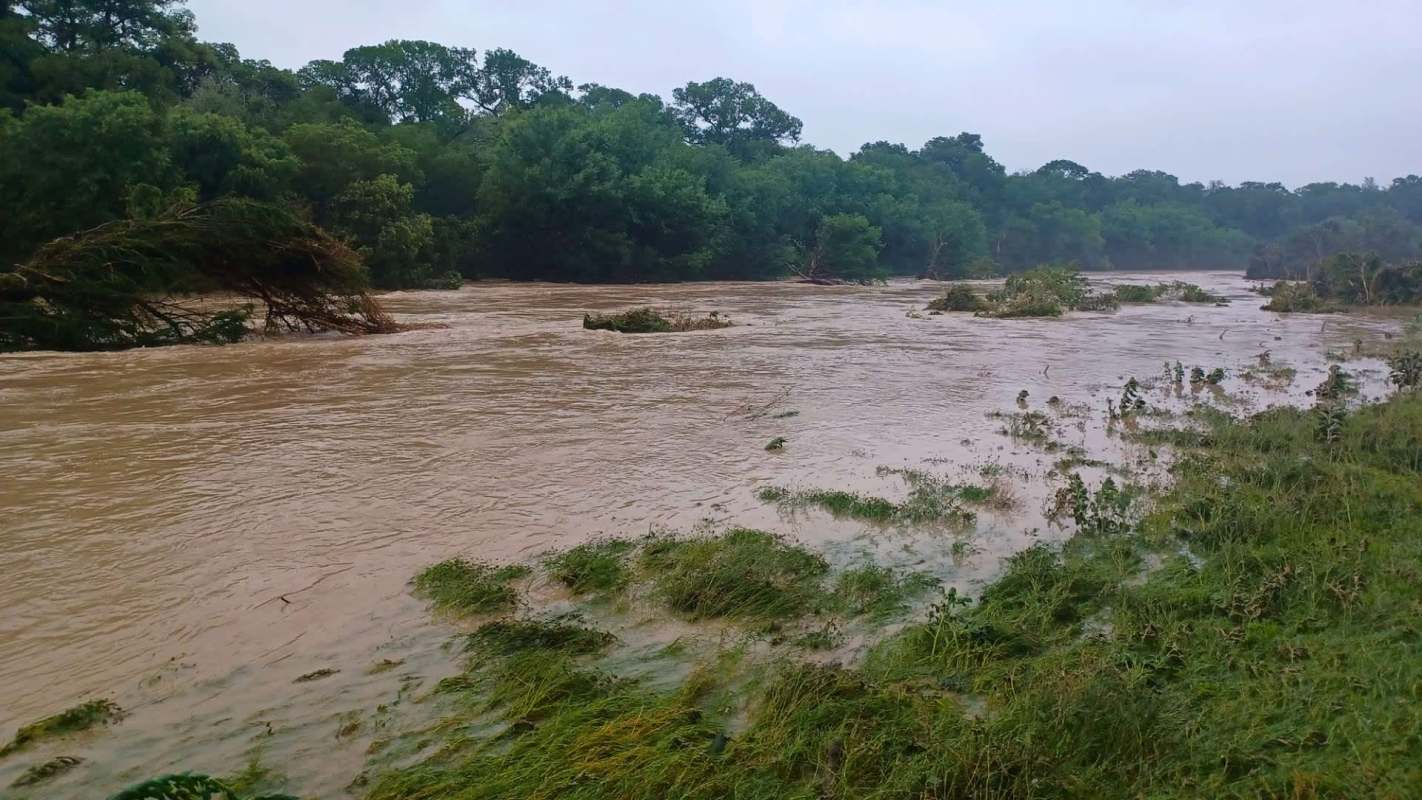
A county evacuation text reached resident Tabitha Brown only shortly before flooding hit her Hurricane, Utah, townhome, and she later waited on the roof for a police escort out.
At Pecan Townhomes, residents said the alert system functioned, but the message came as conditions were already turning dangerous.
Here's what to know
Some people at the complex got the county's flash flood text within minutes of the flooding, KUTV reported.
Brown, who rents at Pecan Townhomes, said she didn't realize how severe the threat was until water had already made its way inside.
"It was minutes before. It wasn't like we had enough time to get everything out of there, or even ourselves," Brown told the station.
Jason Bradley, director of Washington County Emergency Management, said officials were dealing with a flood that intensified so rapidly they could not confidently warn residents earlier, KUTV reported.
TCD Picks » Quince Spotlight
💡These best-sellers from Quince deliver affordable, sustainable luxury for all




"By the time that we knew there were problems, that one was already really problematic. People were already underwater. It was just so fast there wasn't a good way to predict that," Bradley recalled.
He said the county sends emergency messages through IPAWS, the Integrated Public Alert and Warning System — the same type of loud phone notification many people associate with AMBER Alerts.
Bradley acknowledged that the system has limits, including its reliance on cell tower location, so people who leave an impacted area may miss later updates.
More background
Brown ended up on her roof until help arrived, and another Pecan Townhomes resident told KUTV that backed-up drains and an overflowing wash carried away cars and a conex.
Flash flooding can trap residents inside homes, block escape routes, force emergency rescues, and damage vehicles and housing within minutes.
For renters and homeowners alike, that can mean lost belongings, unsafe living conditions, and sudden displacement.
As average temperatures rise, extreme weather events like the sudden flash floods in Hurricane, Utah become more common, more destructive, and deadlier.
Bradley told KUTV that county emergency managers sometimes confer with the National Weather Service every day before storms to discuss expected rainfall and storm duration. He added that this event unfolded with unusual speed.
The incident illustrates the gap between what public agencies can predict and what residents in flood-prone areas are expected to prepare for on their own.
What can be done?
Bradley maintained that the county's strongest tool isn't the standard phone alert many people rely on, but a reverse 911 system residents must sign up for themselves at 911register.com.
"It is our most powerful tool," Bradley said. "If you think of 911, it knows who you are, it knows where you are, it knows your phone number, but it mostly has landlines. Nobody has those anymore, and so you really need to opt in with a cell phone and an email."
Bradley said IPAWS alerts are tied to a person's location relative to cell towers. If someone leaves the warning area, they may not receive later updates.
Reverse 911, by contrast, is the county's preferred way to keep reaching people directly on mobile devices and by email.
Washington County Emergency Management also recommends that residents check the Protect Genasys website or app for county evacuation zone levels such as ready, set, and go, KUTV reported. Other localities may have similar services tailored to the needs of the region.
In a fast-moving emergency, those tools may provide multiple paths to critical information.
Where can I learn more?
These stories track the same kinds of fast-moving flood emergencies and delayed warning concerns that surfaced in Hurricane. They include Utah storm rescues, a flash flood emergency in the Grand Canyon, and another case in which residents said phone alerts came too late.
• In Moab, Utah, 70 runners and volunteers were stranded overnight before a storm rescue.
• At Grand Canyon's Phantom Ranch, helicopter rescues followed deadly Arizona flash floods.
• In Port St. Lucie, Florida, residents said alerts hit phones only after an EF-0 tornado struck.

Get TCD's free newsletters for easy tips, smart advice, and a chance to earn $5,000 toward home upgrades. To see more stories like this one, change your Google preferences here.







