


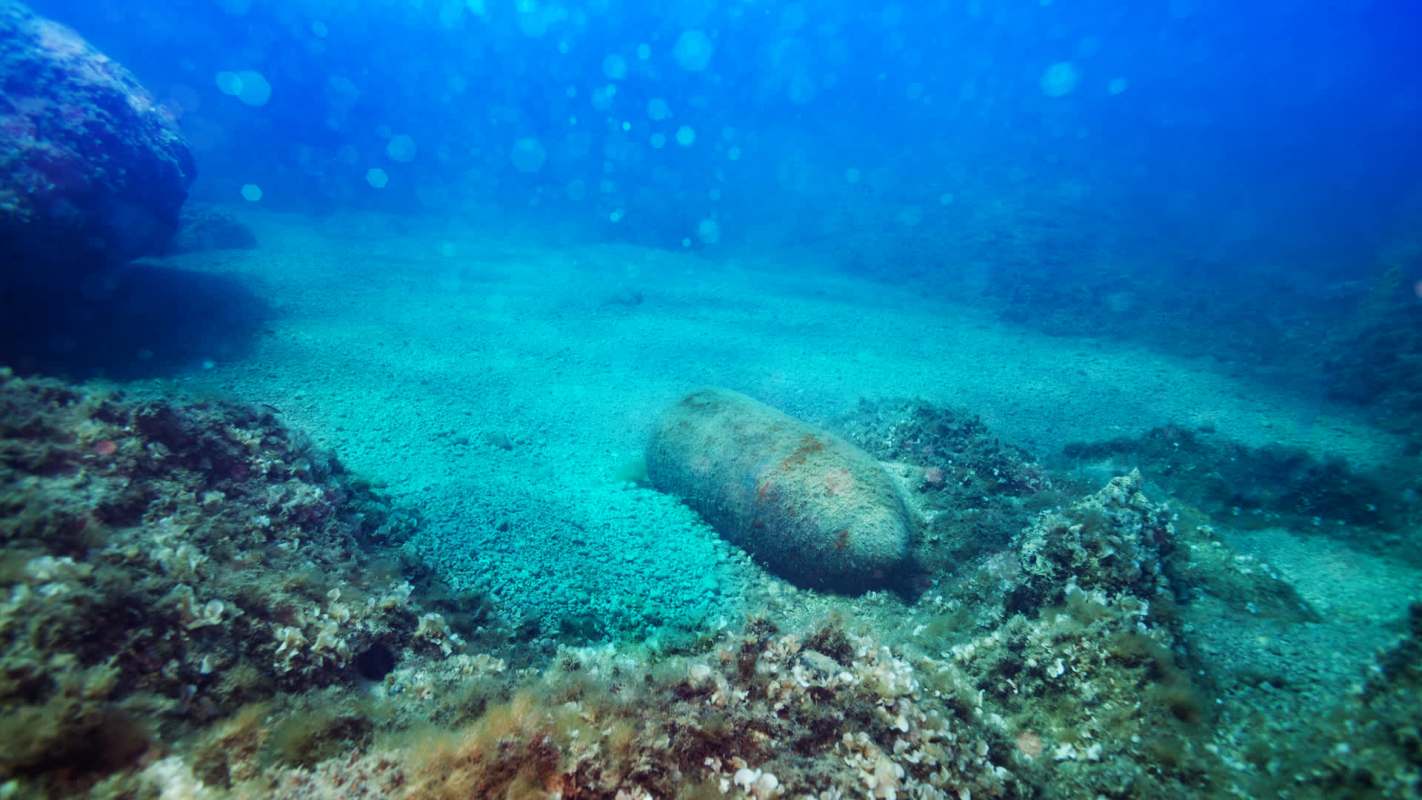
Concerns about marine life and local fisheries have put island communities and officials at odds with U.S. companies hoping to explore the Pacific seabed for minerals.
Here's what to know
International waters near the Cook Islands, Kiribati, and French Polynesia are the target of exploration license applications that American Deep Sea Minerals and American Ocean Minerals Corp. have submitted to U.S. authorities, Mongabay reported.
American Ocean Minerals Corp. is seeking rights to 34,612 square miles south of the Cook Islands' exclusive economic zone. Both companies' applications also overlap in Eastern High Seas Pocket 3, a 39,021-square-mile area between the islands' exclusive economic zones.
The companies have turned to the National Oceanic and Atmospheric Administration for approval. That route bypasses the International Seabed Authority, a U.N.-affiliated regulator responsible for protecting marine ecosystems and overseeing international seabed mining.
French Polynesia has challenged NOAA's authority to permit the activity.
American Deep Sea Minerals' proposed four-year exploration program would end with a trial of mining equipment, according to its U.S. Federal Register application. NOAA says its permitting process includes comprehensive environmental review.
TCD Picks » Quince Spotlight
💡These best-sellers from Quince deliver affordable, sustainable luxury for all




More background
Eastern High Seas Pocket 3 serves as a migration corridor for tuna, which support island communities' food supplies and livelihoods, according to organizations in the Ocean Ancestors collective.
The area also provides habitat for critically endangered oceanic whitetip sharks and borders French Polynesia's strictly protected Société Ouest reserve, where industrial activities are prohibited, Mongabay reported.
The French Polynesian government warned that marine mammals move between protected national waters and the proposed exploration area, raising concerns about underwater noise, vessel traffic, collisions, and cumulative disturbance.
Royal Netherlands Institute for Sea Research ecosystem scientist Jesse van der Grient told Mongabay that mining could also produce discharge plumes that spread into neighboring countries' waters. Those plumes could affect tuna and other fish targeted by fisheries.
What's being done?
French Polynesia, which prohibits seabed mineral extraction in its territorial waters, has asked NOAA to deny American Deep Sea Minerals' application or suspend its review until more information, environmental assessment, and formal consultation with neighboring governments and regional organizations are available, according to Mongabay.
Cook Islands and French Polynesian organizations belonging to the Ocean Ancestors collective also requested denial of the application. Te Ipukarea Society backed marine protected status for Eastern High Seas Pocket 3 under the high seas treaty.
The Western and Central Pacific Fisheries Commission is gathering information about mining's potential effects on tuna fisheries, its executive director, Rhea Moss-Christian, told Mongabay. The commission designated the pocket a special management area in 2010. Existing rules require close monitoring of fishing and prohibit transferring catches between vessels there.
American Deep Sea Minerals Chief Executive Graham Goulet told Mongabay that the proposed work focuses on scientific and environmental study. NOAA has not issued additional announcements regarding the company's application.
"There are unresolved issues about liability to adjacent states and to fisheries," independent ocean policy and law consultant Bobbi-Jo Dobush told Mongabay. "We have little understanding of the currents there and where the plumes would go. It is a very biodiverse area and … of course, the mineral resources are the common heritage of humankind, not to be given straight to corporations or to one country."
Where can I learn more?
Concerns about mining and damage to marine habitats reach well beyond the Pacific.
• Brazil's largest planned Amazon gold mine has sparked Indigenous protests and warnings of irrevocable harm.
• In the Gulf of Mexico, deep-sea life fell 60% after the BP spill.
• Activists placed a boulder barrier in protected waters to block North Sea bottom trawling.

Get TCD's free newsletters for easy tips, smart advice, and a chance to earn $5,000 toward home upgrades. To see more stories like this one, change your Google preferences here.







