


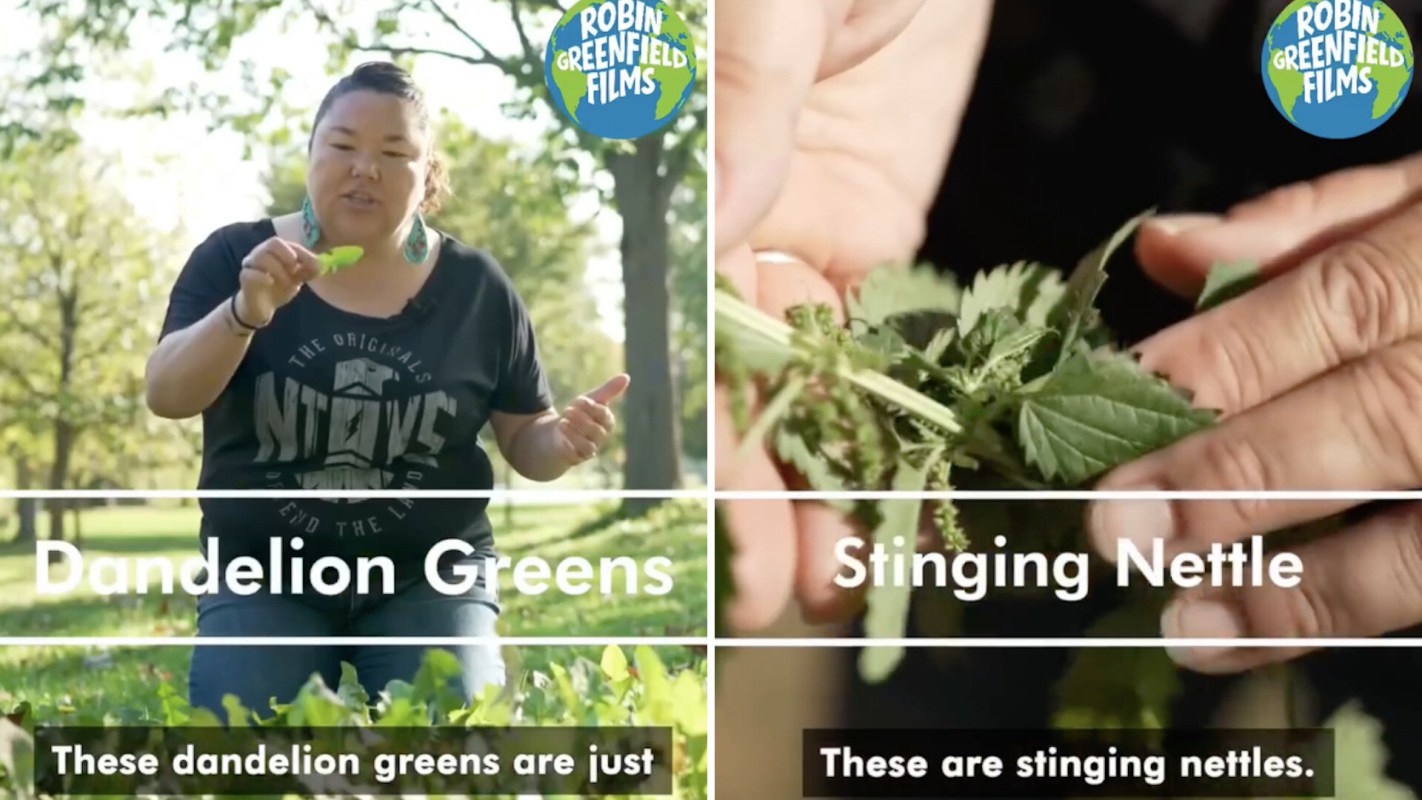
In many city parks, the plants people mow around, step over, or pull out may be doing far more than simply filling empty space. In Minneapolis, one urban foraging walk is encouraging people to see those so-called weeds in a completely different way.
What happened?
The video, posted by well-known activist Robin Greenfield, follows Linda Black Elk through a Minneapolis city park as she points out 10 medicinal plants growing there. Along the way, she explains that common urban species can also have practical uses as food and medicine — though, as always, anyone should speak with a doctor before using alternative medicine recommendations from the internet.
In an Instagram post, Black Elk encourages viewers to pay closer attention to the plants around them. "Want to forage for wild food and medicine in your local city park?" the caption asks, adding that many of the plants she points out are often "dismissed as weeds."
The message is that people do not always have to go deep into the woods or far outside the city to find useful plants. Often, they are already visible in local parks and other neighborhood green spaces.
Why does it matter?
Herbal remedies and wild foods are often associated with survival shows, specialty stores, or remote natural areas. The walk brings that knowledge into an ordinary city park.
Plants often treated as nuisances may actually have long histories of use and value, even if modern landscaping tends to overlook them. The walk also highlights local biodiversity and the role of public green spaces.
TCD Picks » Quince Spotlight
💡These best-sellers from Quince deliver affordable, sustainable luxury for all




Not every plant is safe to eat or use medicinally, and proper identification is essential. Urban environments can also raise concerns about contamination from traffic, treated lawns, or polluted soil.
What can I do?
If urban foraging sounds interesting, the first step is to learn rather than harvest. Starting with a local field guide, a class, or a trusted educator can help people distinguish between look-alike plants and understand which species are safe to use.
It is also important to check local rules. Some parks prohibit collecting plants, and even where foraging is permitted, taking only a small amount can help protect the area for wildlife and other visitors.
Avoid gathering plants from areas that may have been sprayed with chemicals or exposed to heavy roadside pollution. For beginners, photographing plants and practicing identification before picking anything can be a safer way to build confidence.
The caption also describes it as "A reminder that free, wild food and medicine is closer than most people realize."

Get TCD's free newsletters for easy tips, smart advice, and a chance to earn $5,000 toward home upgrades. To see more stories like this one, change your Google preferences here.







