


A tense moment in Namibia ended with welcome news for one closely watched cheetah.
After Tupuka's newly fitted tracking collar abruptly stopped sending satellite updates, conservationists had to turn to fieldwork to make sure the animal was still safe.
Here's what to know
Monitoring took an unexpected turn only days after Tupuka received a replacement GPS satellite collar.
The Cheetah Conservation Fund UK (@ccfcheetahuk) said the device had been fitted earlier this month to replace his older drop-off collar, but it stopped transmitting via satellite soon afterward, creating an urgent challenge for the team following his movements.
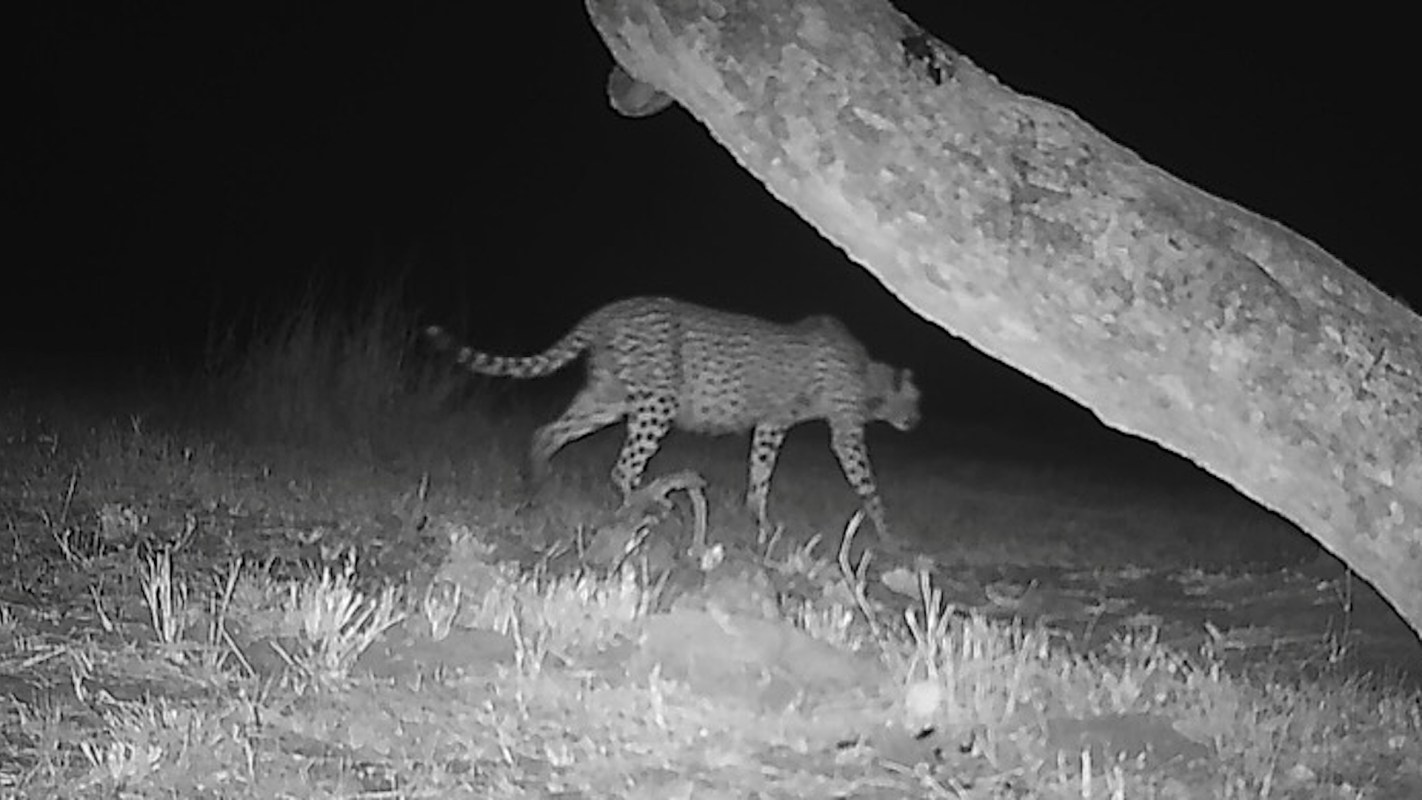
To find out whether Tupuka was still safe, staff switched to ground-based tracking. Using VHF equipment and recent camera-trap footage, the team located him and confirmed that he appeared healthy and was moving normally. The CCF said it still could not determine whether the collar malfunctioned or was damaged as he moved through the landscape.
That mattered for more than a single status check. The fund said Tupuka is central to its Early Warning System, which tracks his movements across the region and provides timely updates to farmers.
TCD Picks » Quince Spotlight
💡These best-sellers from Quince deliver affordable, sustainable luxury for all




More background
Even with satellite technology, protecting wildlife still depends on backup systems, patience, and teams willing to go into the field when electronics fail.
The organization said it caught up with Tupuka again on Aug. 8, briefly checked his health, and fitted him with another GPS satellite collar.
He was then released beside his play tree and headed back out across the landscape, the fund said.
A working collar helps conservation teams share information that can help farmers make day-to-day decisions.
The goal is not simply to locate an animal once, but to maintain reliable systems over time.
What's being done?
Rather than wait and hope the transmission resumed, the team used multiple tools to relocate Tupuka, assess his condition, and replace the failed unit as quickly as possible.
GPS collars can provide regional movement data, while VHF tracking and camera traps offer crucial backup when satellite signals disappear.
Together, those methods help conservationists monitor wide-ranging animals while also giving farmers timely information that can reduce risk and uncertainty.

Get TCD's free newsletters for easy tips, smart advice, and a chance to earn $5,000 toward home upgrades. To see more stories like this one, change your Google preferences here.







