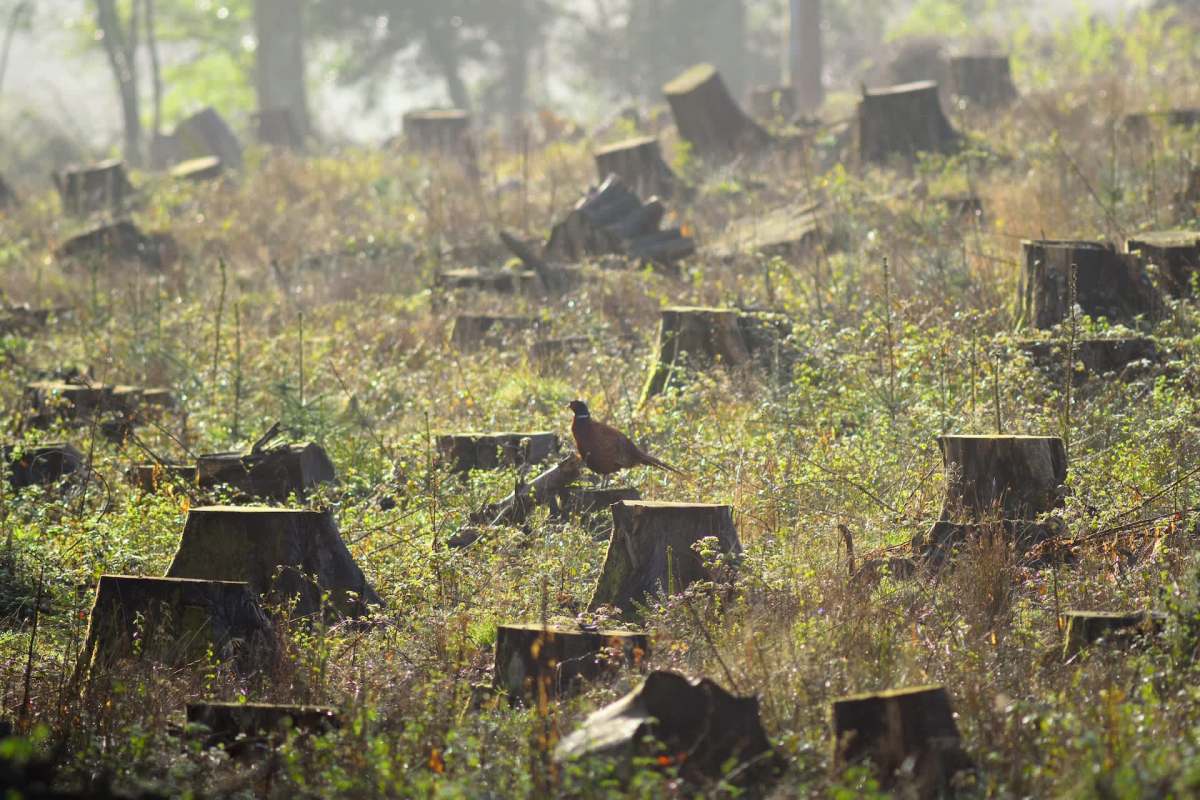
The Trump administration finalized a rollback of Endangered Species Act protections on Friday, adopting a narrower reading of the word "harm" that could make it easier to clear, drill, mine, and build in places wildlife need to survive.
Conservation advocates say the move threatens not only vulnerable animals and plants but also the ecosystems communities rely on every day.
What happened?
As reported by The Guardian, the revision lowers the federal barriers that could constrain development, logging, mining, and similar activity in habitat used by imperiled species.
For roughly 50 years, ESA protections were understood to extend beyond directly injuring or killing plants and animals to include damage to the habitat they depend on. That broader interpretation was affirmed by the Supreme Court in 1995 in a dispute involving old-growth forest protections tied to endangered spotted owls.
Even after hundreds of thousands of public comments were submitted against the change, the Department of the Interior and Department of Commerce argued that the previous definition was an overreach that burdened private property rights.
"For years, federal agencies abused the ESA to obstruct lawful land use and burden American families and businesses. That approach turned routine activity into a regulatory trap, drove up costs that impacted people's lives, and expanded federal authority beyond what Congress intended," Department of the Interior Secretary Doug Burgum said in a statement.
TCD Picks » Good Store Spotlight
Get 10% off your next purchase with code TCD10




Why does it matter?
Because habitat loss is widely regarded as the main driver of species decline, scientists say weakening habitat protections could put many species at risk. Over the years, the ESA has been credited with protecting more than 1,700 species and their habitats and with preventing extinction for 99% of listed species, including the bald eagle, per The Guardian.
The policy shift is happening during a broader biodiversity crisis.
A 2019 assessment from the Intergovernmental Science-Policy Platform on Biodiversity and Ecosystem Services found that about 1 million species are threatened with extinction, including roughly 40% of amphibians and about a third of reef-forming corals, marine mammals, and sharks. Insects, which play a critical role in pollination and food webs, are also declining rapidly.
The consequences reach far beyond remote wilderness.
TCD Picks » Quince Spotlight
💡These best-sellers from Quince deliver affordable, sustainable luxury for all




Healthy habitats help support cleaner water, more stable food systems, flood protection, outdoor recreation, and local jobs tied to tourism, fishing, and farming. When one species disappears, the effects can ripple through an ecosystem, leaving communities less resilient.
What's being done?
Environmental groups are already preparing legal challenges, arguing that the administration's new interpretation conflicts with science, past legal precedent, and public opinion.
A 2023 poll found that 80% of registered voters backed full funding for the ESA, while 73% said biodiversity matters in their daily lives, according to The Guardian.
"Let's be clear: there is no support for the Trump Administration's rule – no scientific support, no legal support, no public support," Earthjustice attorney Kristen Boyles said, per the outlet. "We will see the Trump Administration in court."

Get TCD's free newsletters for easy tips, smart advice, and a chance to earn $5,000 toward home upgrades. To see more stories like this one, change your Google preferences here.