


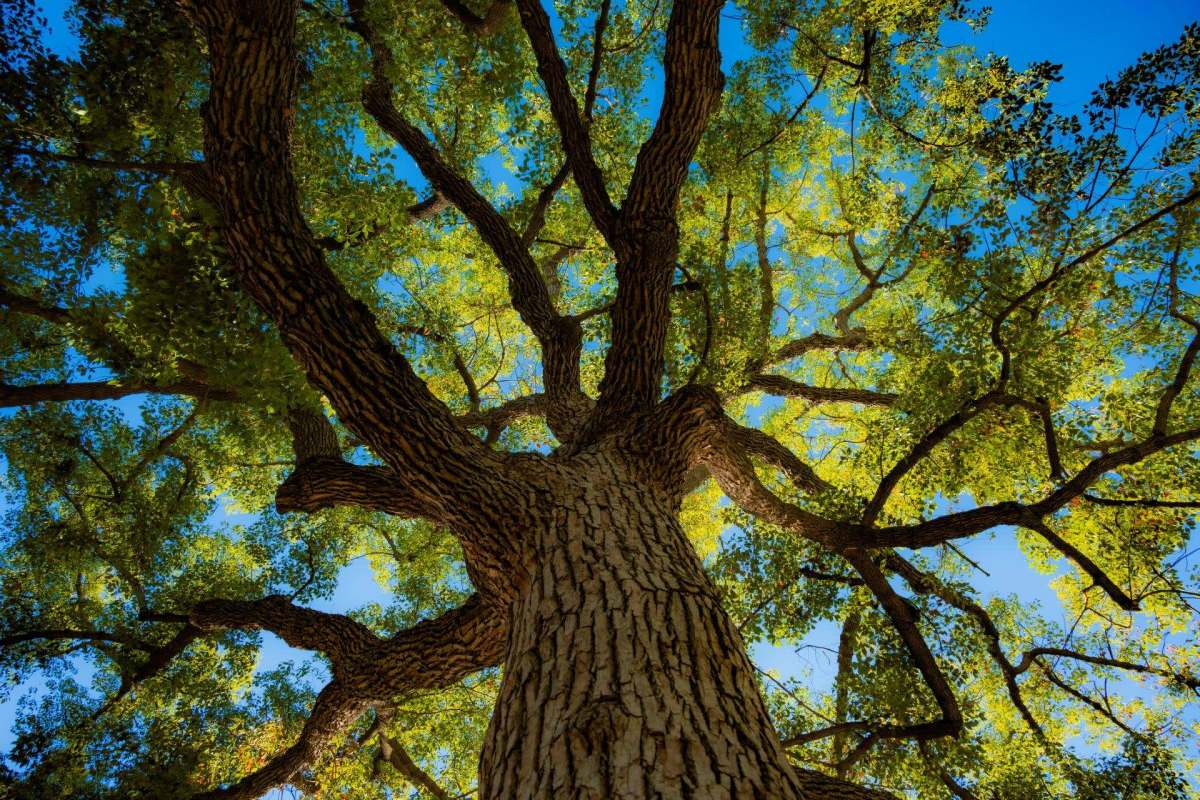
In Quebec, the municipality of Terrasse-Vaudreuil is recognizing trees in an interesting new way, declaring them living beings that have rights.
What happened?
On June 9, elected officials in Terrasse-Vaudreuil unanimously approved a declaration stating that trees have "the right to life, to natural growth, to integrity and regeneration," according to CBC. The municipality has about 2,000 residents and is roughly 40 miles west of Montreal.
Mayor Michel Bourdeau said the measure should not create problems for development. Instead, he told CBC, the town will review its bylaws and other local rules to make sure trees are protected — or replaced when they are removed.
Bourdeau said the town has been flooded three times in the past few years, which reinforced his view that trees are "our biggest ally" in the fight against climate-related weather disasters.
He also said Quebec filmmaker André Desrocher inspired the move through his film Des Arbres et des Arts, which encouraged residents to think differently about the role trees play in their community.
"A tree is like a human being," Bourdeau told CBC. "It breathes, it lives, it takes in water. It protects us from all sorts of things."
TCD Picks » Quince Spotlight
💡These best-sellers from Quince deliver affordable, sustainable luxury for all




According to the International Observatory of Nature Rights, Terrasse-Vaudreuil is the first municipality in Canada to join the Universal Declaration of the Rights of the Tree, an international initiative backed by environmental groups.
Why does it matter?
In Bourdeau's view, trees are "a true green infrastructure," because they "help reduce urban heat islands, improve air quality, manage precious water resources, and protect biodiversity."
More tree cover can help cool neighborhoods during heat waves, reduce stormwater runoff during heavy rains, and improve local air quality, all of which can support public health and reduce financial strain following extreme weather.
The declaration also fits into a broader legal movement that treats parts of nature as worthy of direct protection. Yenny Vega Cardenas, who leads the International Observatory of Nature Rights, told CBC that trees have "dignity" and "senses."
In a similar move, Quebec's Magpie River was granted legal personhood in 2021 by a regional government and the Innu Council of Ekuanitshit.
What's being done?
The town now plans to examine whether its current local rules are consistent with the new declaration.
Local policies often determine which trees are cut down and what is replanted, and that can quickly affect flood protection and community access to shade. Municipal decisions can shape everything from street temperatures to stormwater management.
Karine Peloffy, an Ecojustice lawyer, told CBC that recognizing tree rights is a "very hopeful gesture." She noted that the legal system already grants rights to entities that are not alive.
As Peloffy said, "We know corporations have legal personhood and rights, and they are definitely not living. So if some non-living things can have legal personhood, what's stopping living beings from equally getting legal personhood?"

Get TCD's free newsletters for easy tips, smart advice, and a chance to earn $5,000 toward home upgrades. To see more stories like this one, change your Google preferences here.







