


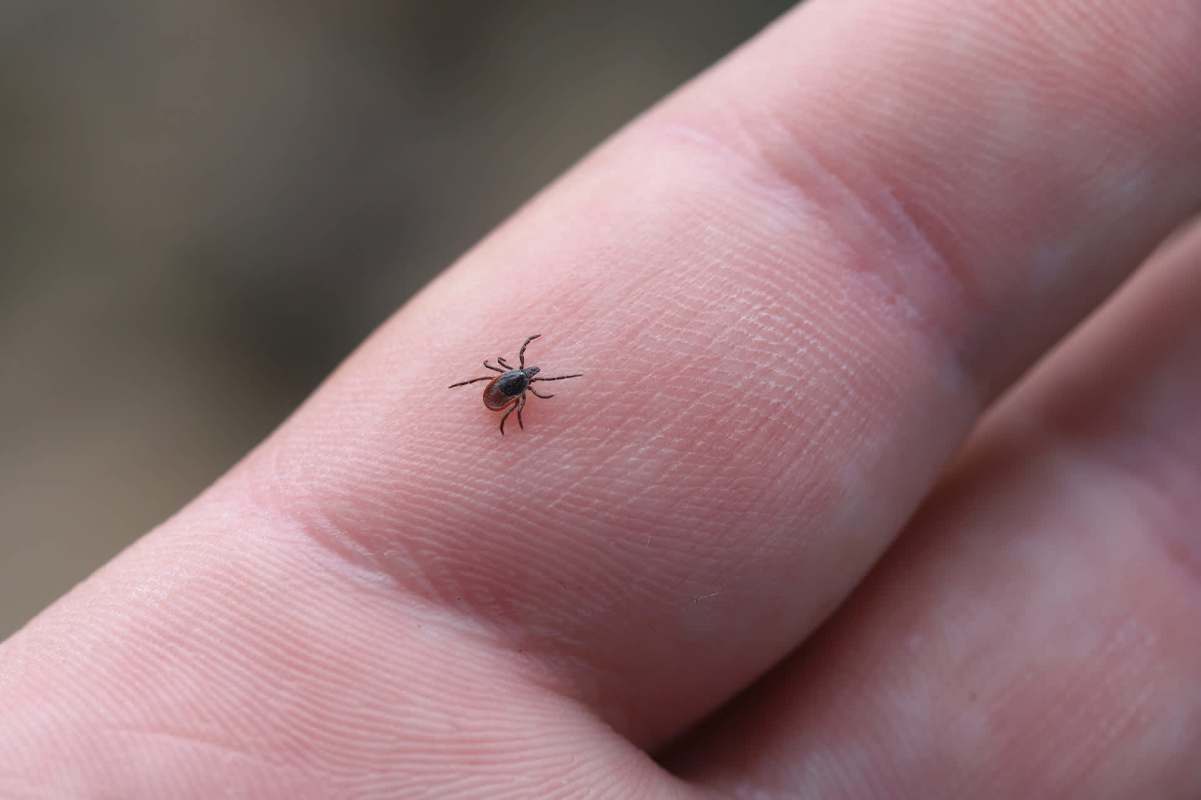
A study from Europe has shown that awareness of disease-carrying ticks and how to handle them varies widely across surveyed nations. It revealed that communities need to be quickly educated on how to deal with these pests and the threats they bring, especially as the global temperature is shifting the distribution of these species.
What's happening?
The study, published in the journal Ticks and Tick-borne Diseases, presented the results of a survey distributed in 22 countries and 20 languages. It showed that people's "knowledge, attitudes, and practices" around ticks and their diseases differ across countries — and even within countries, such as Norway, as a University of Agder report detailed.
Exotic ticks have arrived in Norway by way of migratory birds each spring, according to the report. As temperatures rise, the birds and ticks could venture farther north, carrying diseases such as Lyme disease and Babesiosis. But since this is a new threat to the community, many are unprepared for how to mitigate the dangers.
Why is the varying awareness of ticks concerning?
One concerning aspect of the findings is that large portions of Norway's population — along with communities in other nations — are unfamiliar with how to identify and handle ticks. As Vivian Kjelland, researcher at the University of Agder, and a coauthor of the study explained, "Norwegians responded that they are aware of Borrelia and TBE virus, but many were not aware of other microbes like Anaplasma and Babesia."
The report recommended disseminating clear information on how to deal with the pests as quickly and as efficiently as possible. In the age of social media, misinformation and outright falsities could make combating the ticks a bigger headache than necessary.
Unfortunately, it is not just tick-borne illnesses that are spreading rapidly with changing temperature patterns. An article in JAMA said that research shows vector-borne, zoonotic, fungal, and waterborne diseases are all spreading due to changing weather patterns. And scientists in Peru have revealed that the number of cases of dengue, malaria, and leptospirosis hit an all-time high in 2023.
TCD Picks » Quince Spotlight
💡These best-sellers from Quince deliver affordable, sustainable luxury for all




What's being done about this?
There are many ways to deal with environmental issues caused by changing temperatures and ecosystems. Talking about climate issues with family and friends is an important first step. Being active in our communities and taking local action is also imperative.
In the case of ticks, the study's authorities recommended learning more about what they look like and their tendencies. Experts suggest using insect repellent on the lower part of your body where ticks are more likely to bite. They also suggest avoiding tall grass and bushes when hiking. After hikes, people should check themselves thoroughly and change their clothes.
If you are bitten by a tick, experts recommend that you remove it carefully and as quickly as possible, ideally with tweezers. The recent study recommended "grasping the tick as close to the skin as possible with pointed forceps, and pulling the tick upward while applying steady, even force without twisting."
And of course, if you feel like you've been bitten or begin to feel ill, you should consult a doctor as soon as possible.
|
Should the government continue to give tax incentives for energy-efficient home upgrades? Click your choice to see results and speak your mind. |
 Absolutely 💯
Join our free newsletter for good news and useful tips, and don't miss this cool list of easy ways to help yourself while helping the planet.







