


After years of advocacy and litigation, three reptile species found nowhere outside South Florida earned federal endangered species protection, according to WLRN.
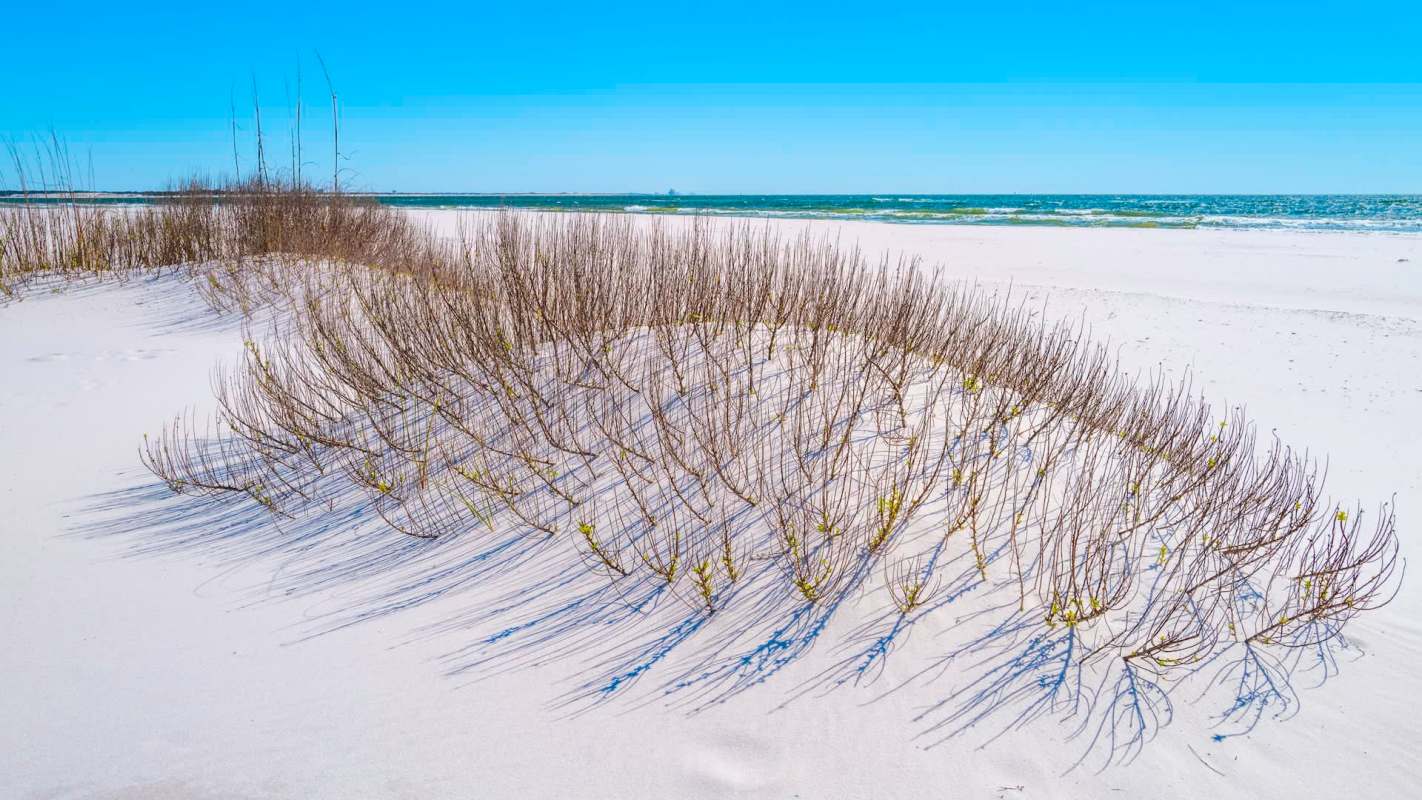
The ruling applies to the Keys mole skink, rim rock crown snake, and Key ring-necked snake, whose remaining beach dune and pine rockland habitat is under pressure from development and rising seas.
Here's what to know
The U.S. Fish and Wildlife Service added all three reptiles to the endangered list July 20, per WLRN.
Their surviving populations are limited to the Florida Keys and Miami-Dade County.
The Center for Biological Diversity sought federal protections for the reptiles in petitions filed in 2010 and 2012, WLRN reported.
A February settlement in a case the group brought required the Fish and Wildlife Service to make a determination by July 16. It was represented by the Jacobs Public Interest Law Clinic at Stetson University.
TCD Picks » Quince Spotlight
💡These best-sellers from Quince deliver affordable, sustainable luxury for all




"These species represent millions of years of unique evolutionary history," Ragan Whitlock, an attorney for the Center for Biological Diversity, said, according to WLRN. "They're only found in Florida, where habitat loss is pushing them to the brink of extinction. And unfortunately, once they're gone, they are gone forever."
More background
Only about 5 inches long, the Keys mole skink is a shiny lizard that burrows underground and can be hard to spot despite its bright orange and red tail.
It has been recorded on just 15 islands in the Keys, and half of those records are from before 1999, per WLRN.
Those low-lying islands with sandy beaches are also among the habitats most exposed to sea level rise and increasingly stronger hurricane storm surges.
Both snakes are also small, about 10 inches long, and depend on pine rockland habitat, where cracks in the rocky ground provide water and damp places to hide, WLRN noted.
The rim rock crown snake lays only two clutches a year with two to three eggs in each, while invasive pythons can produce clutches that top 100.
"Florida's natural heritage and its vibrant economy are deeply connected," Mike Oetker, the service's Southeast regional director, said, per WLRN. "By using the best available science and working hand in hand with our local partners, we can protect imperiled wildlife while still encouraging responsible development and industry."
What's being done?
With the designation, the reptiles are protected under the Endangered Species Act.
In a statement, FWS said the listings reflected the agency's commitment to protecting species using the best available science, WLRN noted. The Center for Biological Diversity said the agency's staffing is down nearly 20% under the Trump administration.
Whitlock said a major gap remains because the government did not designate critical habitat when it finalized the listings. That leaves the reptiles with legal protections but without federally protected places, according to WLRN.
The agency said it could not produce a contemporary estimate of the rim rock crown snake's range. Officials also said no surveys had been done for the Key ring-necked snake.
"It is common sense that species cannot recover and get off the endangered species list if we protect it on paper but fail to protect the places that they live," Whitlock said, per WLRN.
Where can I learn more?
Also in Florida, other reptile battles are playing out.
• Scientists gathered critical new data to target invasive Burmese pythons.
• Officials warned curly-tailed lizards were spreading north and preying on native anoles.
• Leaders backed continued removal efforts against destructive green iguanas.

Get TCD's free newsletters for easy tips, smart advice, and a chance to earn $5,000 toward home upgrades. To see more stories like this one, change your Google preferences here.







