


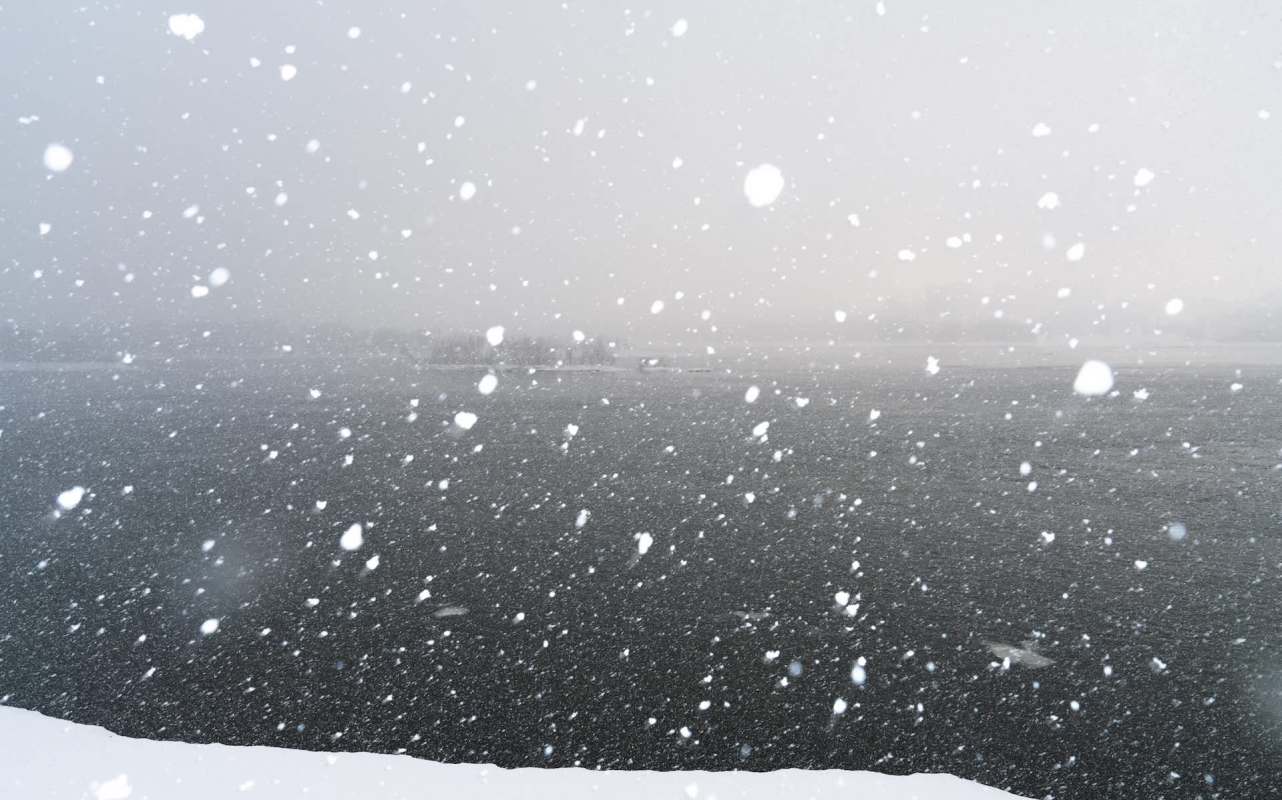
A blast of polar air will fuel heavy lake-effect snow across portions of several states, making holiday travel treacherous. Some spots could get more than two feet of snow.
Heavy snow will impact the country's northern tier during one of the busiest times of the year for travel. Nearly 6 million people across parts of at least five northern states are under winter storm warnings on Tuesday. In parts of four states in the Upper Midwest and Northeast, more than 3 million people are under winter storm watches from the National Weather Service.
"The NWS office in Marquette advised people in Michigan's U.P. [Upper Peninsula] to alter their holiday plans and avoid traveling on Wednesday and Thanksgiving Day," according to Fox Weather. Wind gusts up to 50 mph, combined with heavy snow, will drop visibility.
"Heavy snow expected," cautioned the winter storm warning in place for portions of Michigan. "Total snow accumulations between 14 and 25 inches."
"Travel could be very difficult to impossible," added the winter storm warning from the Marquette National Weather Service. "Widespread blowing snow could significantly reduce visibility to a quarter mile or less for several hours. The hazardous conditions could impact the Tuesday evening commute and will impact the Wednesday morning commute."
Winter storm warnings are also in effect for southeast North Dakota, northeast South Dakota, most of Minnesota, and northern Wisconsin. Minnesota's Twin Cities could see snowfall rates exceeding an inch per hour.
TCD Picks » Quince Spotlight
💡These best-sellers from Quince deliver affordable, sustainable luxury for all




Strong winds are expected to cause significant widespread blowing snow and blizzard conditions at times. Visibility across southern Minnesota will likely fall to a quarter mile or less.
Moderate to heavy lake-effect snow will fall on Thanksgiving from the Upper Peninsula of Michigan and northern lower Michigan. Northeast Ohio, northwestern Pennsylvania, and western and northern central New York will also all see similar snow.
Lake-effect snow is the result of cold air sweeping across the relatively warm, open waters of the Great Lakes. The greater the temperature contrast between the cold air and the lake water, the greater the potential for significant snow.
Earlier this fall, all five of the Great Lakes were reporting temperatures of around 4 to 5.5 degrees above average. Lake Michigan's surface water temperature on Oct. 9 was the warmest it has been since 1995.
|
Do you feel like the air quality is safe where you live? Click your choice to see results and speak your mind. |
 Always 💯
 It's no surprise that the Great Lakes' water temperatures have been running well above normal. Several states that surround the Great Lakes have had an unusually warm fall. Michigan just had its 12th warmest October on record, Illinois its ninth warmest, and Wisconsin its 14th warmest.
During the coldest winters, some or even all of the Great Lakes can freeze over entirely, shutting off the lake-effect snow machine. Ice coverage is shrinking as our world warms, leaving warmer and more open waters to help fuel lake-effect snow.
"The decline in lake ice coverage is driven by warming air and water temperatures due to climate change," said researchers with nonprofit Climate Central. "The lake ice season is also contracting in many cases, with lakes now tending to freeze over later and thaw out sooner."

💰Get TCD's free newsletters for easy tips to save more, waste less, and make smarter choices — and earn up to $5,000 toward clean upgrades in TCD's exclusive Rewards Club.







