


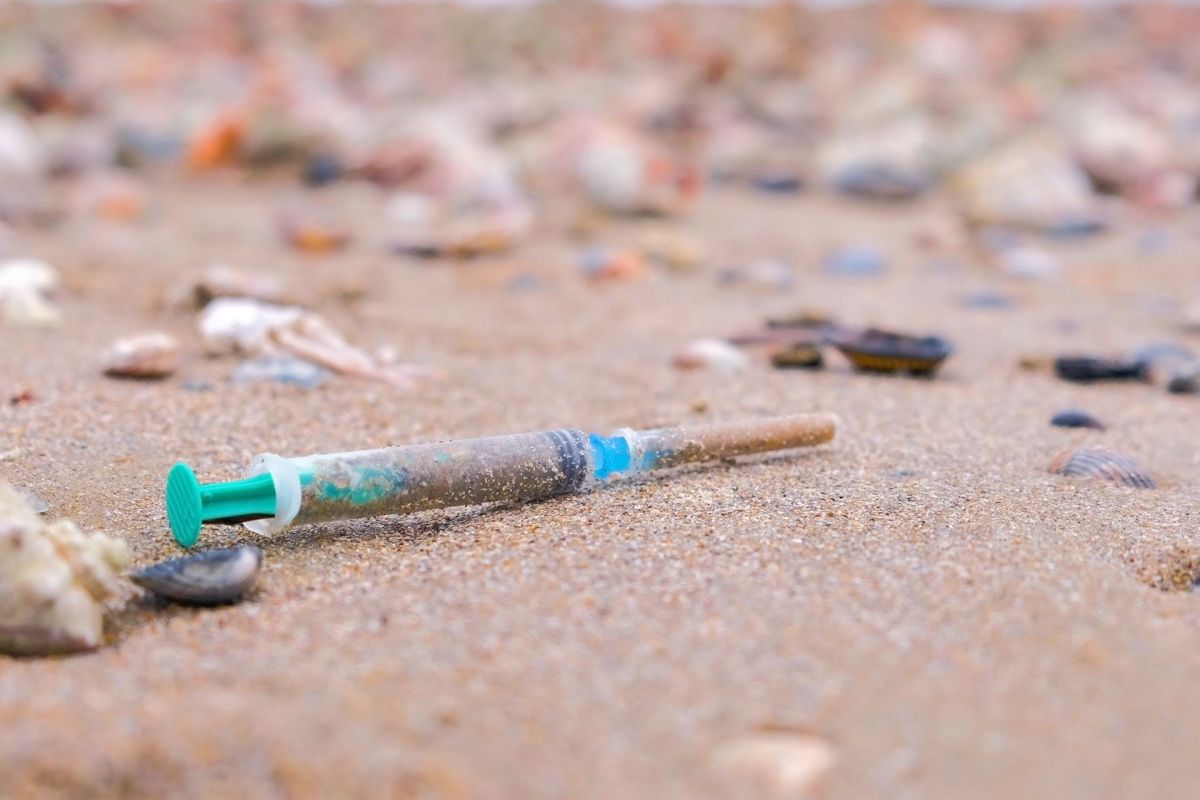
A temporary swimming shutdown in Manasquan, N.J., after syringes were found all along the beach has state officials concluding the debris most likely came from sewer overflow.
Here's what to know
Larry Hajna, a spokesperson for the New Jersey Department of Environmental Protection, said medical waste, including syringes used for insulin injections at home, had washed ashore, according to the Asbury Park Press.
Local beach and borough officials closed swimming access after more than 60 syringes were discovered on the sand. The borough's Office of Emergency Management said the area would be checked again after two high tide cycles.
After officials met at the Manasquan Inlet beach with the Monmouth County Department of Health, along with borough and beach personnel, swimming resumed, and the beach remained open.
More background
Combined sewer overflows occur when heavy rainfall overwhelms systems that carry stormwater and wastewater through the same network. When that capacity is exceeded, contaminated material can end up in nearby waterways and along shorelines.
Needles on the sand pose an obvious injury risk to swimmers, children, and cleanup workers, and even a brief closure can disrupt weekend plans, reduce foot traffic for local businesses, and shake public confidence in water quality and beach safety.
TCD Picks » Quince Spotlight
💡These best-sellers from Quince deliver affordable, sustainable luxury for all




The Manasquan incident is an indication of aging or overburdened infrastructure, a situation that was exacerbated by how much health care now happens at home. More people use syringes outside hospitals and clinics to manage chronic conditions, making safe disposal and resilient wastewater systems even more important for communities.
Cleaner waste handling means safer beaches, fewer closures, lower cleanup burdens for towns, and better protection for local economies that depend on tourism and outdoor recreation.
What can be done?
Communities can reduce the chances of similar incidents by improving sewer infrastructure and overflow controls, especially in places vulnerable to intense rain. Those investments can help keep waterways cleaner and help prevent costly emergency responses.
People who use syringes at home can lower risks by following local sharps disposal rules and using approved disposal options when available. Proper disposal helps protect sanitation workers, waterways, and public beaches.

Get TCD's free newsletters for easy tips, smart advice, and a chance to earn $5,000 toward home upgrades. To see more stories like this one, change your Google preferences here.







