


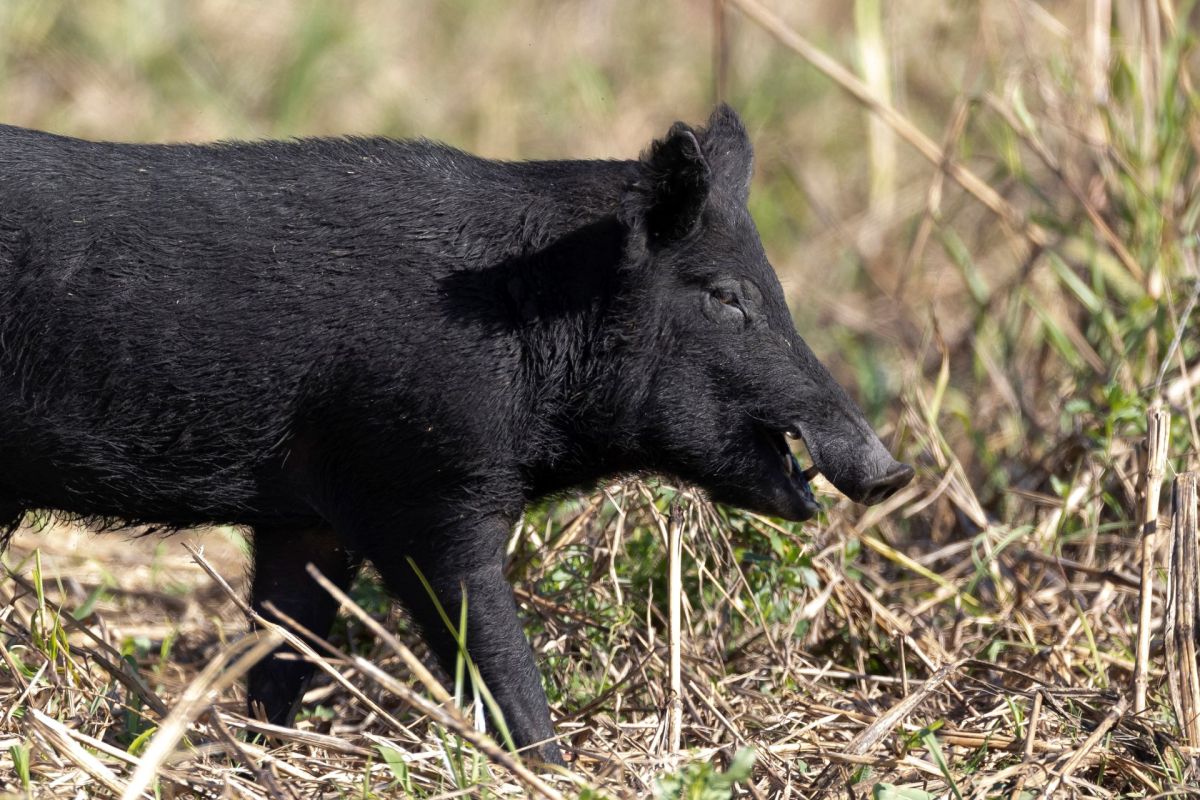
Sugar Land, Texas, is asking residents to report where feral hogs are showing up as the city tries to limit damage to parks, lawns, and natural areas from the invasive animal that tears up soil and vegetation.
The city is using the pilot program to identify movement patterns; a sighting in one place could be part of broader activity.
Here's what to know
KPRC 2 reported that Sugar Land's feral hog mitigation pilot started with a 90-day assessment from Oct. 1 through Dec. 30. During that time, city staff will log hog activity and damage, identify priority locations, and collect information to guide later decisions.
The city said feral hogs are a non-native species found across Texas. In Sugar Land, they root through the ground for food, leaving behind torn-up soil, damaged vegetation, and muddy wallows.
According to the city, river corridors, wooded tracts, and linked open spaces give hogs places to travel, feed, and shelter as they move among properties, per KPRC. That means activity in one park or neighborhood could be tied to a wider route.
During the assessment period, Sugar Land will not try to remove hogs everywhere they appear. The first phase is focused on collecting information and informing residents, with public reports expected to show where activity recurs.
TCD Picks » Quince Spotlight
💡These best-sellers from Quince deliver affordable, sustainable luxury for all




More background
Before taking action, the city wants to distinguish isolated sightings from recurring activity. Officials are doing that by comparing reports with field observations and monitoring results.
Signs of feral hog damage can appear in parks, shared neighborhood spaces, and other areas. While ruined lawns and landscaping are among the easiest problems to spot, the city is also watching for broader impacts on public spaces and natural resources.
The assessment period is also meant to help the city weigh the costs of future responses and whether they are practical. After 90 days, staff plans to review hog activity, where and how much damage occurs, and whether people or public spaces are at risk.
The city said filing a report does not mean traps will be placed at that site. Any action on private land or partner-owned property would require approval and coordination.
What's being done?
Residents can report sightings or damage through the city's non-emergency 311 system, at sugarlandtx.gov, or by email. The city said the most useful reports include as much detail as possible; a photo may help but isn't required, KPRC reported.
Sugar Land is also sharing practical guidance for residents. The city advises residents to keep their distance from feral hogs, avoid feeding or trying to catch them, and keep pets away from hogs or areas with suspected activity.
Other recommendations include improving drainage so puddles don't become wallowing spots, using motion-activated lights or sprinklers, securing garbage and pet food, cleaning up fallen fruit or birdseed, and working with homeowners associations when activity appears on private property or in neighborhood common areas.
After the assessment period ends on Dec. 30, the city will share a findings summary and next steps on its website, including whether continued monitoring, education, or coordination with property owners is necessary in areas where hog activity continues to appear.
Where can I learn more?
Here's a look at how feral hog damage is affecting communities across Texas.
• In College Station, feral hogs ravage a massive park system, causing $150,000 in damage.
• In Abilene, feral hogs put local crops at risk as farmers fight destructive rooting.
• In Lee County, officials offered a five-figure prize to curb feral hog devastation.

Get TCD's free newsletters for easy tips, smart advice, and a chance to earn $5,000 toward home upgrades. To see more stories like this one, change your Google preferences here.







