


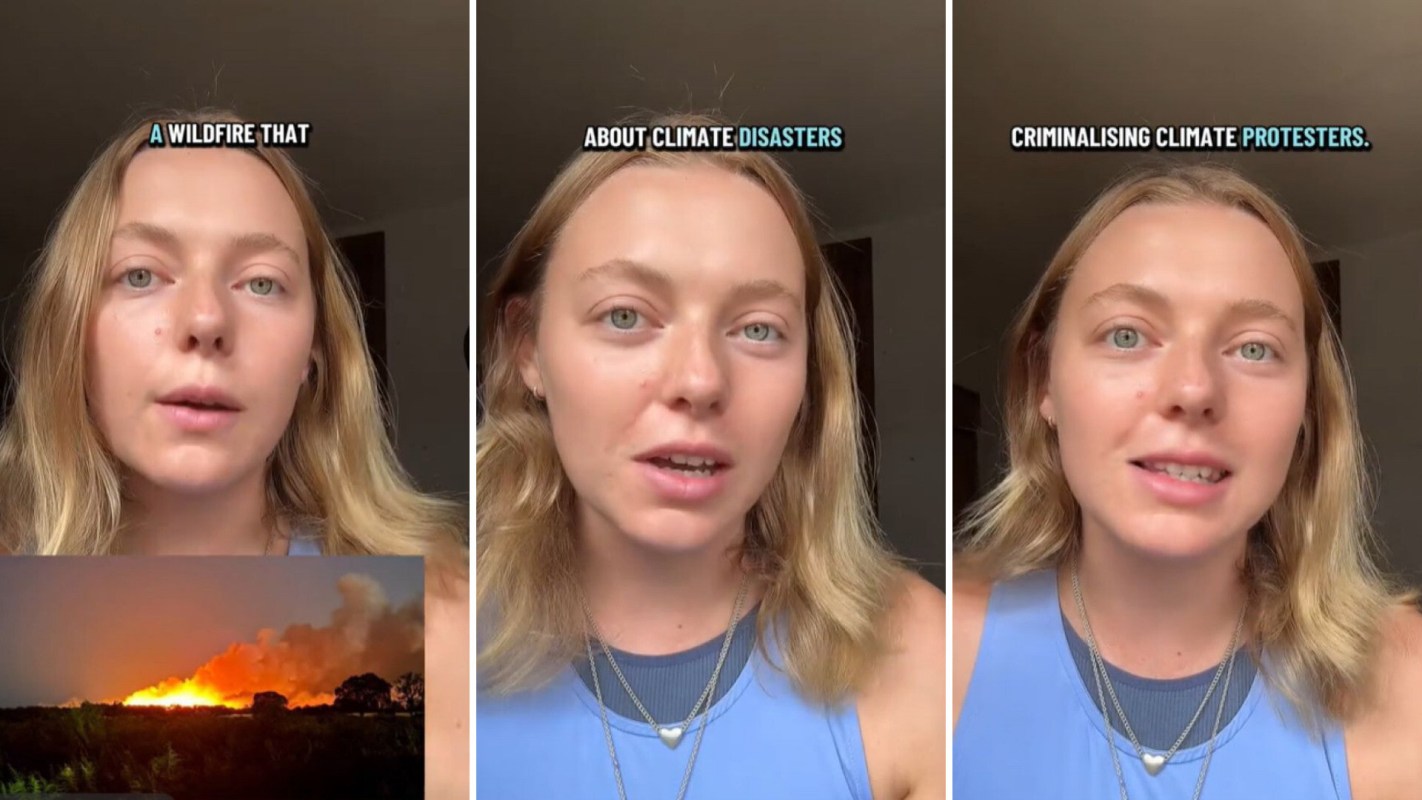
Online concern is growing around a wildfire in Suffolk, England, after a local resident posted a video stressing the dangers of the fire burning near a nuclear power plant.
What's happening?
On July 30, a TikTok post from a political science PhD student highlighted the increasing risk that wildfires pose to communities around the globe. The British student mentioned the massive Suffolk wildfire that was near the Sizewell B nuclear power plant.
Luckily, the plant avoided any real danger, but as she pointed out in the video, a shift in wind could've led to a very different outcome.
@dumbbirchtree It's now the size of 140 football pitches #suffolk #fire #foryou ♬ original sound - Isobel | PoliSci PhD student
She then shared a report that said half of the U.K. is currently in a drought, and mentioned her own experience, saying, "I have never seen it so brown and dry here." The PhD student then highlighted the extreme number of wildfires that Spain and France have been experiencing this summer, which is around three times their yearly averages.
She ended the video with a plea, saying, "I'm just wondering when we're gonna get serious on climate change; when we're gonna actually deal with this issue. When are governments going to stop criminalizing climate protesters?"
Why does it matter?
Wildfires are dangerous long before flames reach homes or roads. Smoke can worsen asthma and other respiratory conditions, reduce visibility for drivers, and make it unsafe for children, older adults, and outdoor workers to spend time outside.
TCD Picks » Quince Spotlight
💡These best-sellers from Quince deliver affordable, sustainable luxury for all




As weather disasters become more extreme, they also endanger lives and livelihoods by straining emergency services, disrupting transportation, threatening homes and farms, and driving up recovery costs for families and communities. For fires, in particular, they can spread rapidly, they can harm public health, undermine community safety, and create economic instability for workers and businesses that rely on safe outdoor conditions.
Once a wildfire is out, it leaves behind damaged wildlife habitat. And scorched land can be more vulnerable to erosion and ongoing ecological stress. Even a fire that remains outside dense neighborhoods can still lead to closures and delays if conditions worsen.
As heat and drought create more combustible conditions, more communities may find themselves facing fires that spread faster than expected.
As the student said at the end of her video, "There's like three wildfires this year in the U.K., when have we ever had f***ing wildfires?"
What can I do?
If you live near a wildfire-prone area, the most important step is to follow guidance from local emergency officials and weather alerts.
When smoke is present, staying indoors with windows closed, limiting strenuous outdoor activity, and using an air purifier if available can help reduce exposure.
To limit the fire risk directly around your home and neighborhood, properly dispose of cigarettes, avoid outdoor burning during hot, dry periods, and keep dry brush or debris cleared away from structures where local rules allow it.
It's also smart to keep a small emergency kit, back up important documents, and have a plan for pets, medications, and quick evacuation. All of these steps can make a stressful situation more manageable if conditions suddenly change.

Get TCD's free newsletters for easy tips, smart advice, and a chance to earn $5,000 toward home upgrades. To see more stories like this one, change your Google preferences here.







