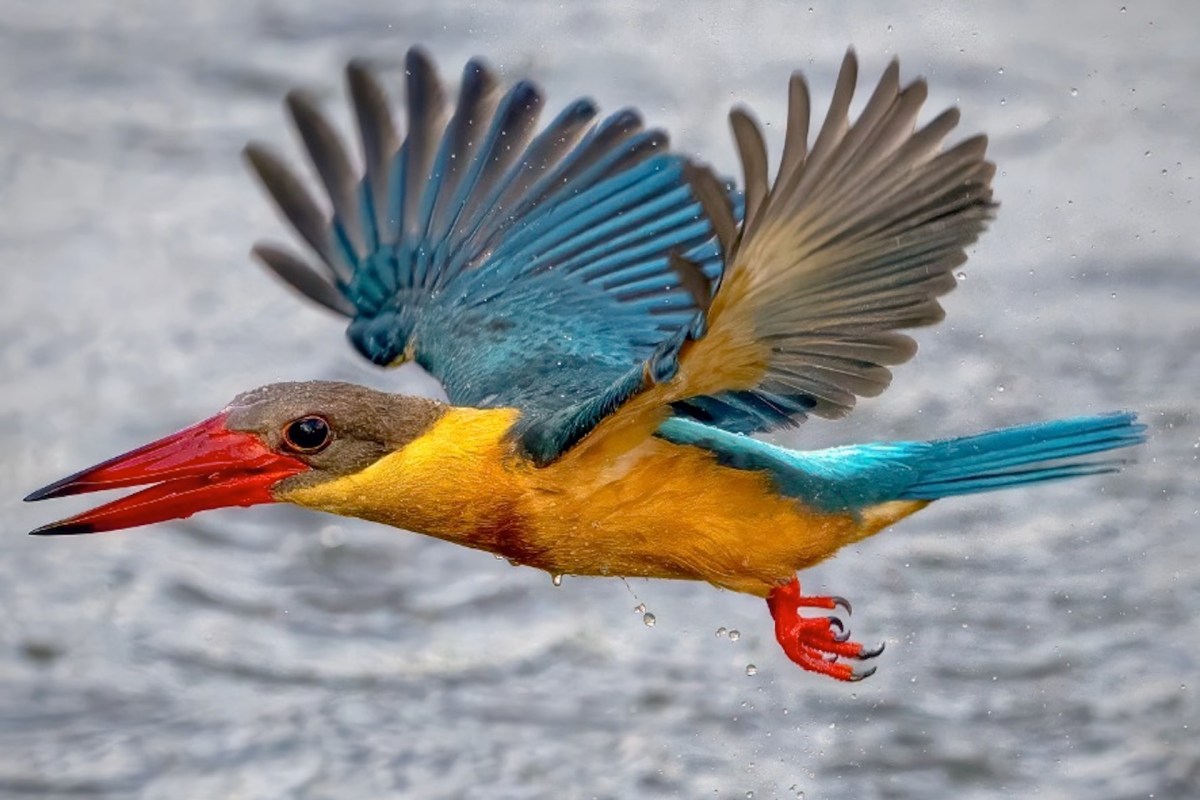
A Stork-billed Kingfisher in Singapore made an early-morning strike at the water, came up empty, and kept going.
Though the attempt lasted only an instant and ended without food, it still showed the fast, instinctive, persistent work of staying alive in the wild.
What happened?
Wildlife photographer Kelvin Leong (@wilderness.sg) included the vividly colored bird in a July 4 carousel, showing it at Sungei Buloh Wetland Reserve during an early-morning hunting attempt.
According to the caption, the Stork-billed Kingfisher "locked onto its target and plunged into the water with incredible speed," but failed to make the catch.
"This time, it surfaced empty-billed before flying off to search for another opportunity," the post said.
It received a few admiring comments, including "Stunning colours" and "Beautiful bird."
TCD Picks » Quince Spotlight
💡These best-sellers from Quince deliver affordable, sustainable luxury for all




Why does it matter?
Wildlife footage like this can reshape how people think about the nature around them. Rather than seeing a reserve as simply a scenic backdrop, viewers get a clearer sense that it is an active habitat where animals feed, adapt, and compete every day.
When people feel connected to local species, they are often more likely to value the wetlands, forests, and shorelines those animals depend on. In places where development pressure is constant, public appreciation can become an important part of protection.
It also helps present a more honest picture of nature. Not every hunt ends in success, and not every beautiful animal thrives effortlessly. Seeing the miss, not just the catch, shows the energy wild creatures expend simply to find food.
What can I do?
One of the simplest ways to support moments like this is to visit protected natural areas responsibly. Wetland reserves, parks, and nature trails offer a chance to observe wildlife without traveling far — and that visibility can help build lasting support for conservation.
If you go, keep a respectful distance, stay on marked paths, and avoid feeding or disturbing animals. Quiet, patient observation gives birds and other wildlife the best chance to behave naturally.
You can also support local groups, photographers, and community accounts that document biodiversity. Posts about native species in real habitats can help more people understand that urban nature is not abstract — it is alive all around them.
And if you want more wildlife near home, planting native greenery, reducing pesticide use where possible, and protecting neighborhood green space can all help create friendlier conditions for birds and insects.

Get TCD's free newsletters for easy tips, smart advice, and a chance to earn $5,000 toward home upgrades. To see more stories like this one, change your Google preferences here.