


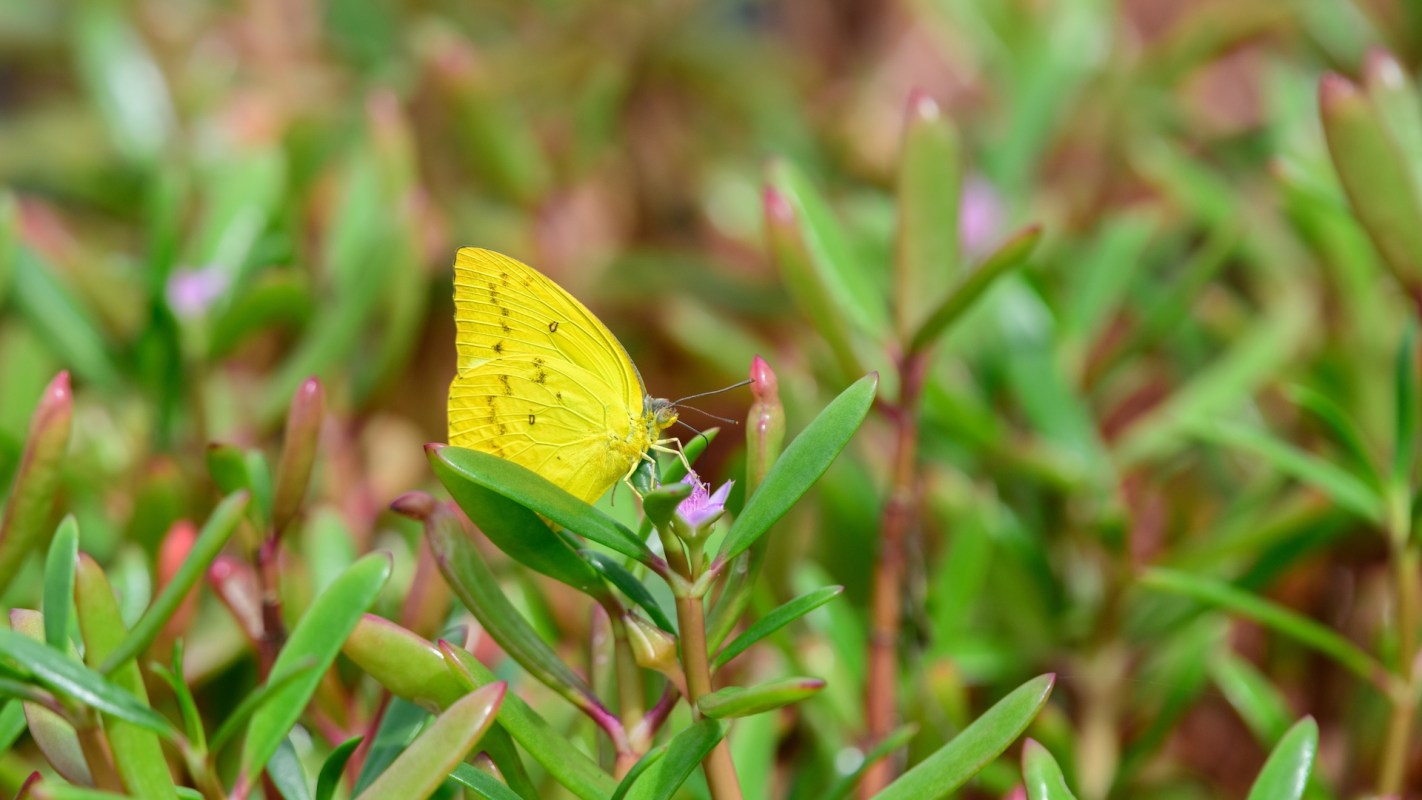
Yellow and white butterflies appeared by the thousands across Sri Lanka in an unusually large seasonal spectacle.
Here's what to know
Butterfly numbers typically peak in October-November and February-March. In early November, large groups of yellow and white butterflies were spotted in and beyond Colombo.
According to Mongabay, researchers with the Butterfly Conservation and Research Group of Sri Lanka noticed an unexpected pattern: The insects appeared to be avoiding the island's hill country.
BCRG secretary Lakshman Kumara suggested that weather could be keeping the butterflies away.
"As climatic conditions like El Niño change rainfall patterns, these kinds of phenomena can get more affected," he told Mongabay.
Butterfly researcher Kapila Dissanayake added that the pattern would be characterized as "mass movement rather than a formal migration." To confirm a coordinated migration, researchers will need to monitor their direction, continuity, and geographical spread.
TCD Picks » Quince Spotlight
💡These best-sellers from Quince deliver affordable, sustainable luxury for all




More background
Yellowish lemon emigrants are the most numerous overall, with Sri Lankan lesser albatross and common albatross butterflies also taking part in the movement, according to Dissanayake.
Sun FM shared captivating footage of the butterflies taking flight on Facebook.
"Nature really said it's time to make an entrance!" the radio station remarked. Local folklore describes the butterflies as making a sacred pilgrimage to Adam's Peak, a mountain in Sri Lanka's Central Highlands sacred to several faiths, according to Mongabay.
A global assessment covering 1,758 butterfly species in 105 territories and countries linked 79% of documented range shifts to climate change or extreme weather, according to lead author Shawan Chowdhury of Australia's Monash University.
Himesh Dilruwan Jayasinghe, who researches butterflies at the National Institute of Fundamental Studies in Sri Lanka, identified monsoon rainfall as the main driver of the population boom. Rain spurs fresh growth on host plants, providing food for caterpillars and allowing butterfly populations to rise rapidly.
The inter-monsoon rains in October may have helped produce the extraordinary numbers, Jayasinghe said, per Mongabay.
What's being done?
Pollinators such as butterflies are important because they are a backbone of food systems. While the natural phenomenon is undoubtedly a feast for the eyes, understanding changes in butterfly behavior could provide researchers with more insight into how humans are impacting their movements and how to support agricultural security for future generations.
Members and butterfly enthusiasts have contributed observations over several years to help the BCRG study butterfly movements.
A 2024 study led by Dissanayake drew on reports from 60 locations during March-April 2023 and identified three major directions of travel, with an overall northwestward pattern.
Tharindu Ranasinghe, a Wild Island Foundation researcher who contributed to a global assessment, stressed the need for more research and long-term monitoring to determine how climate change is affecting Sri Lanka's butterflies. For example, rising heat could push the Sri Lanka treebrown uphill until it runs out of suitable habitat.

Get TCD's free newsletters for easy tips, smart advice, and a chance to earn $5,000 toward home upgrades. To see more stories like this one, change your Google preferences here.







