


You may want to pour yourself a glass of wine and sit down for this — spotted lanternflies are turning vineyards into battlegrounds, and some winemakers are already feeling the hit.
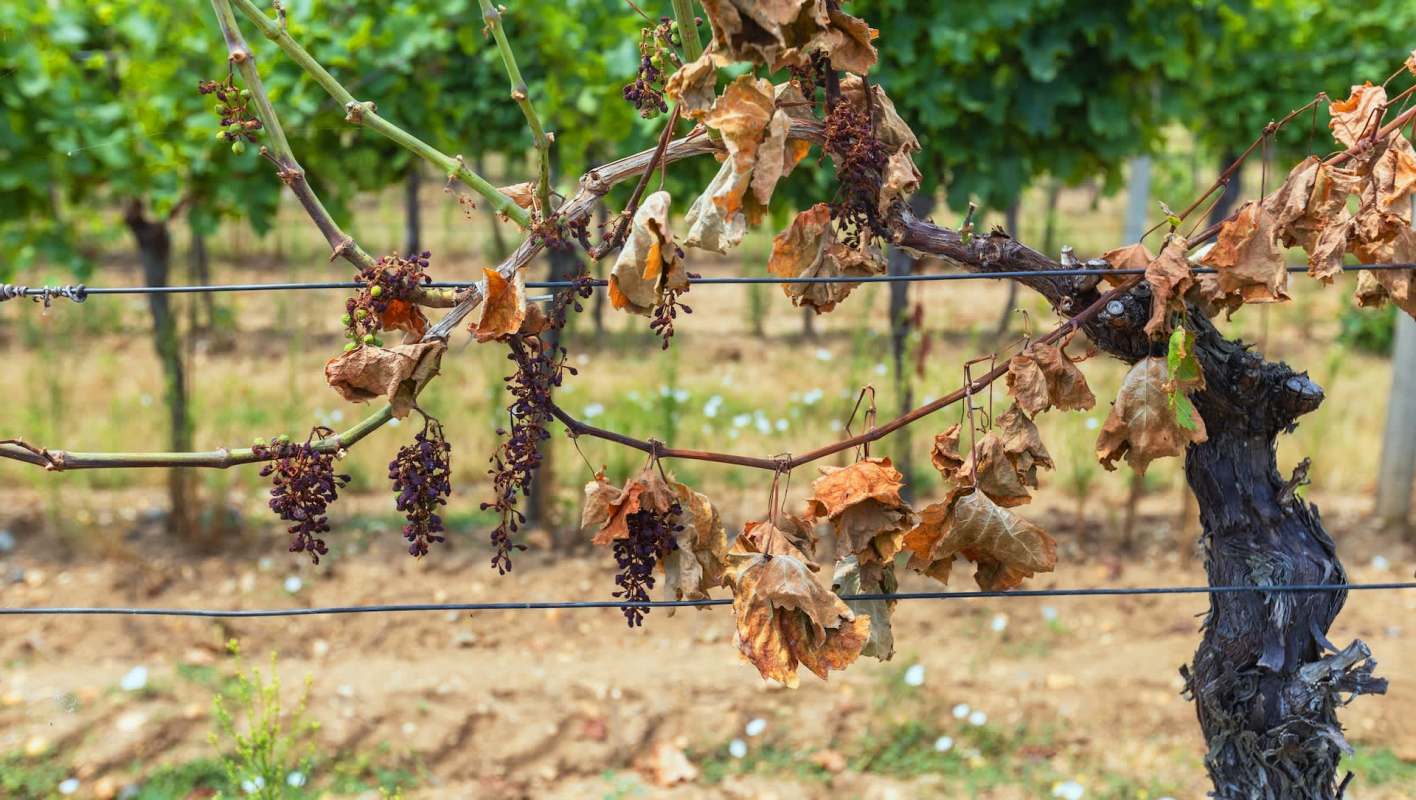
At one Virginia vineyard, the invasive bugs may have helped slash grape production in half this year, raising fresh alarms for an industry that depends on healthy vines and predictable harvests, according to the Guardian.
The concern is much bigger than one farm. Researchers and growers say the fast-spreading insect is threatening vineyards, trees, and other crops across the U.S., with scientists racing to limit the damage through everything from destroying eggs to using traps and possible biological controls.
At Zephaniah Farm Vineyard in Leesburg, Va., an employee first spotted the roughly inch-long insects around harvest time about three years ago. With gray-and-black wings and vivid red underwings, the bugs are striking to look at — but they're bad news in grape country.
Tremain Hatch, co-owner and viticulturist at the family-run farm, said that the vineyard's 2025 grape output was roughly half of the previous year's, a drop he believes is at least partly due to lanternflies, per the Guardian.
That kind of loss can quickly ripple through a winery's business model. As Hatch suggested, putting in the same amount of farm work for only half the crop means ending up with only about half the wine. Scientists say growers are especially vulnerable because adult lanternflies arrive late in summer, just as grapes ripen and management options become more limited.
TCD Picks » Quince Spotlight
💡These best-sellers from Quince deliver affordable, sustainable luxury for all




As the Guardian noted, citing the U.S. Department of Agriculture, spotted lanternflies come from China and were first found in Pennsylvania in 2014. By August 2025, the USDA had documented them in 19 states and Washington, D.C.
The destructive bugs feed by sucking sap from grapevines, fruit trees, hops, and other plants. They also excrete honeydew, a sticky, sugary substance that can encourage sooty mold growth. For vineyards, that creates another layer of trouble: contaminated fruit is not something growers want to harvest, ferment, or sell.
Displaced species can quickly wreak havoc on an ecosystem, outcompeting native species for natural resources. It's estimated that invasives have cost the U.S. over $1.2 trillion since 1960, per Science Direct. Despite plants like English ivy engulfing local landscapes, some invasive plants are still sold in garden centers, so be mindful of what you add to your landscape.
You may want to pour yourself a glass of wine and sit down for this — spotted lanternflies are turning vineyards into battlegrounds, and some winemakers are already feeling the hit.
At one Virginia vineyard, the invasive bugs may have helped slash grape production in half this year, raising fresh alarms for an industry that depends on healthy vines and predictable harvests, according to the Guardian.
The concern is much bigger than one farm. Researchers and growers say the fast-spreading insect is threatening vineyards, trees, and other crops across the U.S., with scientists racing to limit the damage through everything from destroying eggs to using traps and possible biological controls.
At Zephaniah Farm Vineyard in Leesburg, Va., an employee first spotted the roughly inch-long insects around harvest time about three years ago. With gray-and-black wings and vivid red underwings, the bugs are striking to look at — but they're bad news in grape country.
Tremain Hatch, co-owner and viticulturist at the family-run farm, said that the vineyard's 2025 grape output was roughly half of the previous year's, a drop he believes is at least partly due to lanternflies, per the Guardian.
That kind of loss can quickly ripple through a winery's business model. As Hatch suggested, putting in the same amount of farm work for only half the crop means ending up with only about half the wine. Scientists say growers are especially vulnerable because adult lanternflies arrive late in summer, just as grapes ripen and management options become more limited.
As the Guardian noted, citing the U.S. Department of Agriculture, spotted lanternflies come from China and were first found in Pennsylvania in 2014. By August 2025, the USDA had documented them in 19 states and Washington, D.C.
The destructive bugs feed by sucking sap from grapevines, fruit trees, hops, and other plants. They also excrete honeydew, a sticky, sugary substance that can encourage sooty mold growth. For vineyards, that creates another layer of trouble: contaminated fruit is not something growers want to harvest, ferment, or sell.
Displaced species can quickly wreak havoc on an ecosystem, outcompeting native species for natural resources. It's estimated that invasives have cost the U.S. over $1.2 trillion since 1960, per Science Direct. Despite plants like English ivy engulfing local landscapes, some invasive plants are still sold in garden centers, so be mindful of what you add to your landscape.
Luckily, some communities are fighting back against lanternflies by removing tree of heaven, a favorite host plant; setting traps; and even using dogs trained to locate egg masses, per the Guardian. In Virginia, vineyard owners have hosted "Scrape for the Grape" events to destroy eggs before the next season begins.
"When there is a new pest, and we are not sure how to manage it, it's very uncomfortable and scary," Hatch said, per the Guardian. Still, he added, "To have community members come out and help us, that means a lot."

Get TCD's free newsletters for easy tips, smart advice, and a chance to earn $5,000 toward home upgrades. To see more stories like this one, change your Google preferences here.







