


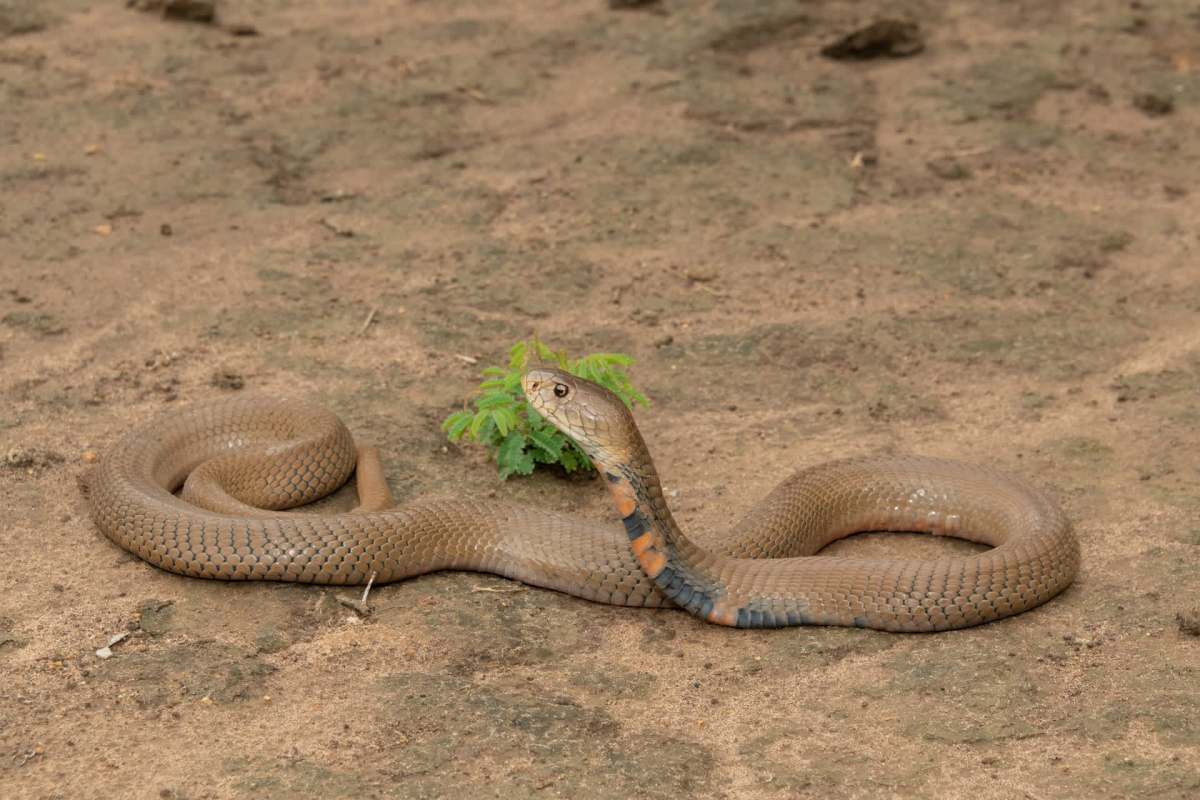
A teenager on holiday in KwaZulu-Natal captured footage of a Mozambique spitting cobra crossing uMhlanga's busy beachfront promenade near the Breakers Hotel before disappearing into surrounding vegetation, marking the first sighting on that stretch since 2022.
The promenade is heavily used, built right alongside habitat where cobras live.
Here's what to know
According to Northglen News, 15-year-old Chanan Medalie, visiting from Johannesburg, spotted the long snake slithering across the path. Medalie said he nearly missed it at first.
"I was walking along the promenade looking down at my phone and initially I didn't realise the snake was there," he said. "It didn't take any notice of us and calmly crossed into the dense vegetation. I knew not to approach or try and antagonise the snake."
Jason Arnold, a snake rescuer, said he hoped the cobra could be relocated because the species is active at night, when people using the promenade may struggle to spot it. "I've been looking for an elusive cobra along that section for a while, but I'm not sure it's the same snake," Arnold told Northglen News.
More background
Arnold noted that spitting cobras live near the Hawaan Forest.
TCD Picks » Quince Spotlight
💡These best-sellers from Quince deliver affordable, sustainable luxury for all




The encounter took place where wildlife habitat meets human space, with the promenade, hotel, and vegetation creating an area where people and animals may come in close contact.
Arnold said people could be endangered if they fail to see a snake and that a cobra could be harmed if pedestrians are frightened.
"I do fear for its safety if people react badly to it. It would be better to relocate it to an area away from people due to the fact that they are nocturnal, so it will mostly be active after dark where it will be harder for people walking in the area to spot it," he told Northglen News.
What can be done?
Arnold said the cobra should be moved away from the promenade and other foot traffic.
He also stressed that people should not try to handle such a situation themselves. Medalie's response — noticing the snake and leaving it alone — aligned with the advice professionals give in these situations, especially with a species known for defensive venom-spitting.
"Snakes only become scared and defensive when they are put in a position where they feel their life is being threatened," Arnold said. "The best thing to do is call a professional."

Get TCD's free newsletters for easy tips, smart advice, and a chance to earn $5,000 toward home upgrades. To see more stories like this one, change your Google preferences here.







