


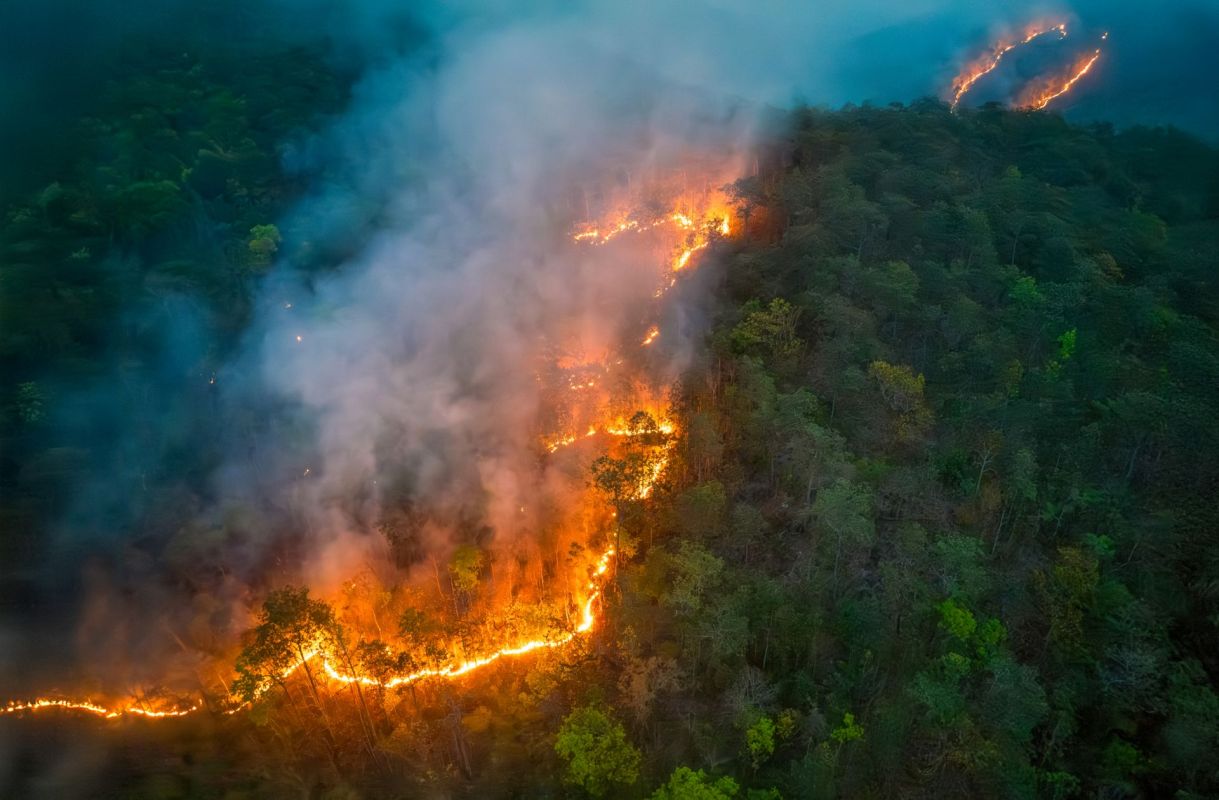
A stubborn drought that has kept the southeastern United States unusually dry since July 2025 is turning the region into a wildfire "tinderbox," with fires breaking out across Florida and neighboring states well before the South's usual peak fire season.
Forest managers say the mix of parched vegetation, warm temperatures, and very low humidity has created unusually dangerous conditions. It is also making it harder to carry out prescribed burns that normally help reduce the risk of larger, uncontrolled fires, per Inside Climate News.
The Southeast has been locked in a prolonged dry spell for months, and that lack of rain is now fueling wildfires across a part of the country that is not typically associated with massive fire activity in the same way as the American West.
The US Drought Monitor, a joint federal government and University of Nebraska-Lincoln project, shows how dire drought conditions are across the country. In the southeast U.S., as of May 5, 99% of the region is experiencing a drought.
Also, over 60% of the area is seeing either extreme or exceptional drought conditions, the two most severe categories.
The same hot, dry, and windy weather is both making wildfires more dangerous and making controlled burns harder to pursue. As a result, more fuel is being left on the ground, raising the chances that any spark could turn into a fast-moving blaze.
TCD Picks » Quince Spotlight
💡These best-sellers from Quince deliver affordable, sustainable luxury for all




Unfortunately, wildfire danger is no longer limited to the places Americans most often picture when they think about severe fire seasons. Longer dry stretches and rising global temperatures are expanding fire risk into regions with less experience in preparing for and responding to major wildfire events.
That carries serious consequences for people's health and safety. Wildfires can destroy homes, threaten lives, force evacuations, and blanket communities in smoke.
When extreme weather disasters grow more intense, they can also put livelihoods at risk by shutting down businesses, damaging farms and timberland, driving up insurance costs, and straining local budgets that must cover emergency response and recovery.
In the Southeast, where many communities have little historical experience managing large-scale fire events, that growing danger can be especially disruptive. Roads can close, tourism can suffer, outdoor workers can be exposed to hazardous air, and families may be left scrambling to protect property with little warning.

Get TCD's free newsletters for easy tips, smart advice, and a chance to earn $5,000 toward home upgrades. To see more stories like this one, change your Google preferences here.







