


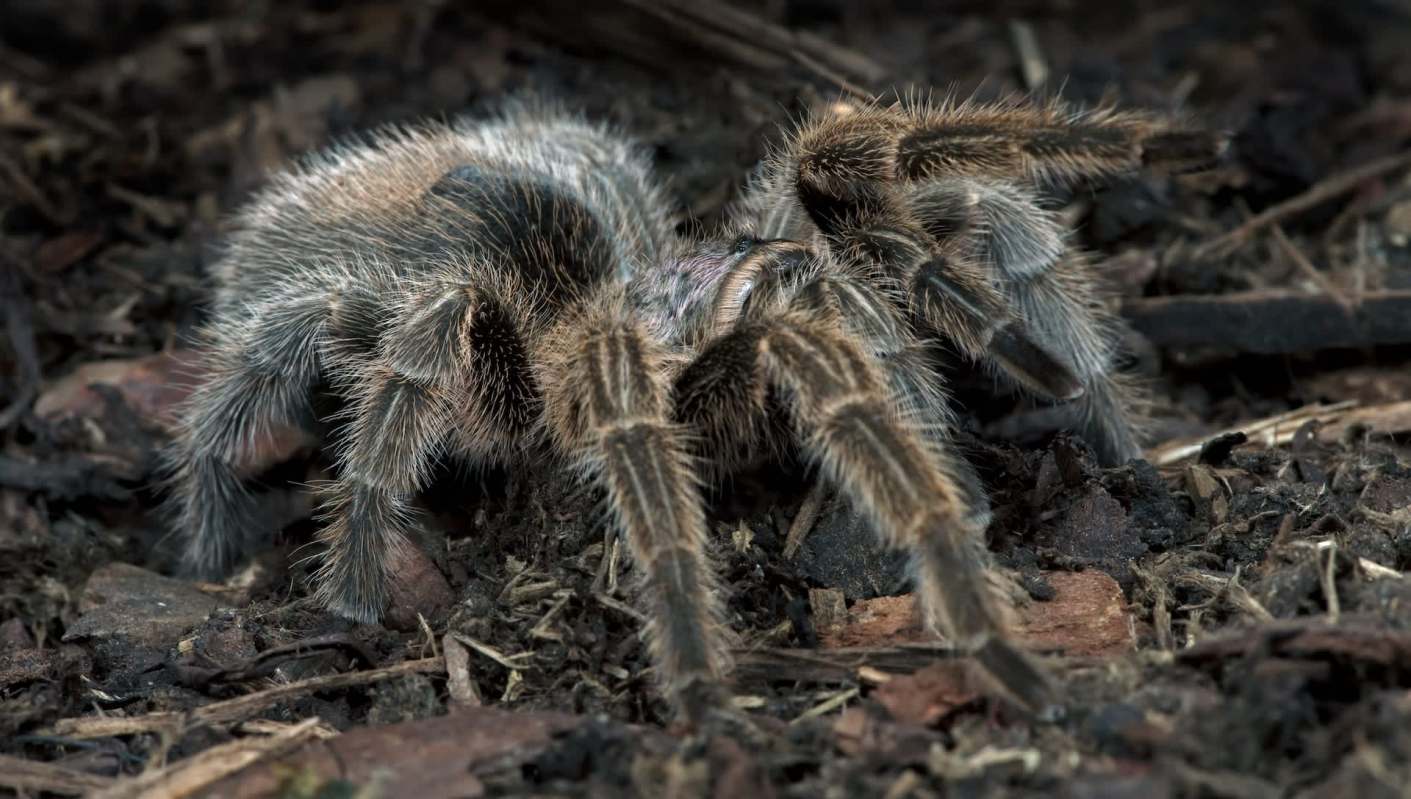
Rising temperatures have one of Central Europe's largest spiders spreading across the Czech Republic, and one arachnologist said they could reach Prague.
Here's what to know
South Russian tarantulas, whose leg spans can reach 2.8 inches (7 centimeters), have been expanding through southern Moravia. A leg span generally refers to the distance from the tip of a front leg diagonally to the tip of the rear leg on the other side while the legs are outstretched.
The South Russian tarantula, Lycosa singoriensis, favors warm, dry environments and is native to the Pannonian Basin. Czech arachnologist Milan Řezáč discussed the species' expansion in an interview with iDNES.cz, as Expats.cz reported.
During the unusually warm 1930s, Řezáč said, the spider's range reached as far as Olomouc in the country, which is increasingly becoming known in English as Czechia over the last decade. Warming in the early 2000s brought the species, known locally as slíďák tatarský, back to habitats they had previously occupied after disappearing from the country during the cooler decades that followed the 1930s.
More background
The spiders face a geographic obstacle to their natural spread into central Bohemia with the Bohemian-Moravian Highlands, according to Expats.cz.
The species has not been recorded in the Elbe lowlands, despite a climate that already suits it there and in other parts of central Bohemia.
TCD Picks » Quince Spotlight
💡These best-sellers from Quince deliver affordable, sustainable luxury for all




Řezáč warned that people moving materials between regions could inadvertently carry the spiders toward Prague.
Male spiders searching for mates in summer and autumn sometimes find their way into homes or garages.
What can be done?
A trapped or physically threatened spider may bite, though Řezáč stressed that the likelihood of a bite is extremely low.
South Russian tarantula venom primarily incapacitates insects, and the species presents little danger to people. While these spiders do not typically seek out human contact, they can bite through human skin.
Řezáč said someone bitten could expect pain similar to a bee or wasp sting. Expats.cz noted that other spiders capable of painful bites already live in Prague.
The spiders spend much of the day in underground burrows up to about 1.6 feet (half a meter) deep and are active mainly at night.

Get TCD's free newsletters for easy tips, smart advice, and a chance to earn $5,000 toward home upgrades. To see more stories like this one, change your Google preferences here.







