


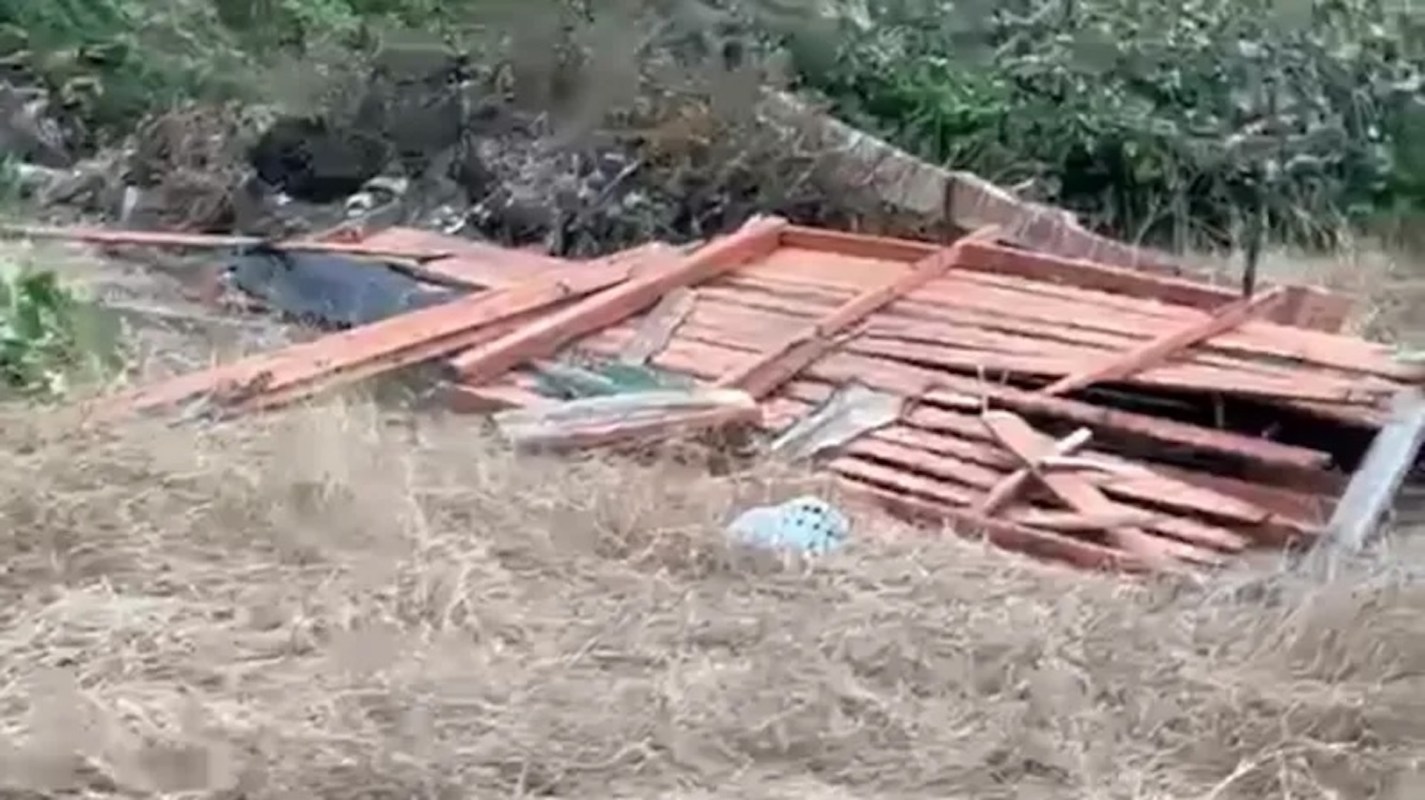
A beauty spot at Whitegates in Somerset, England, popular with children and dog walkers, was left buried under an estimated 18 tonnes of waste from an illegal encampment.
After the camp was vacated, local crews were forced into a multi-day cleanup that cost the city thousands of dollars.
The scale of the mess and the cost of removing it have become an example of how dumping and abandoned waste can quickly turn beautiful shared public lands into hazard zones.
Here's what to know
Bridgwater Town Council amenities director Scott Mason said a group was at Whitegates in Wembdon from Aug. 4 until Aug. 15, and workers discovered piles of discarded items, including sofas and washing machines, once the site was vacated, BBC News reported.
He said council staff spent days clearing the area and put the cleanup cost at about £5,000. BBC News also reported that large concrete blocks were installed there to keep vehicles from getting back in.
"There was a multitude of waste - probably the worst waste we have ever seen in traveller evictions for this council," he said. Reflecting on 15 years managing parks and open spaces, he added that "it is by far the worst we've ever seen."
TCD Picks » Quince Spotlight
💡These best-sellers from Quince deliver affordable, sustainable luxury for all




Waste on that scale can damage green spaces, make public areas unsafe, and leave residents footing the cleanup bill through local government budgets.
More background
Because Somerset Council owns Whitegates while Bridgwater Town Council is responsible for maintaining and cleaning it, the job of restoring the site, along with the cost, fell to the town council.
Bulky discarded items can create issues for the people who use these spaces every day. Mattresses, appliances, and furniture can block paths, attract additional dumping, and make areas less safe for families, walkers, and pets.
Crews had to spend days clearing a site, which meant less time and money for other maintenance work.
Local authorities also face the challenge of protecting public land while addressing the lack of suitable places for transient communities to stop legally. Without options, tensions can grow between residents, councils, and travelers, while environmental damage can become one of the most visible consequences.
Whitegates is regarded locally as a beauty spot. "It [the field] was a very different place to how it's looking now," Mason said.
What's being done?
After the field was cleared, concrete blocks were installed to make vehicle access harder and reduce the chances of a similar mess being left behind again.
Somerset Council is also pursuing a longer-term fix. Federica Smith-Roberts, Somerset Council's lead member for communities, said officials are trying to identify land for transient sites in the county, something Somerset does not currently have.
A designated site could help reduce pressure on parks and open spaces while giving councils a clearer framework for managing stays, waste, and sanitation.
It would not eliminate every conflict, but it could lower cleanup costs and protect public areas from large-scale dumping, like what was seen at Whitegates.
As Smith-Roberts put it: "We definitely need to do more. We don't have a transient site in Somerset and that's something I'd like us to deliver."

Get TCD's free newsletters for easy tips, smart advice, and a chance to earn $5,000 toward home upgrades. To see more stories like this one, change your Google preferences here.







