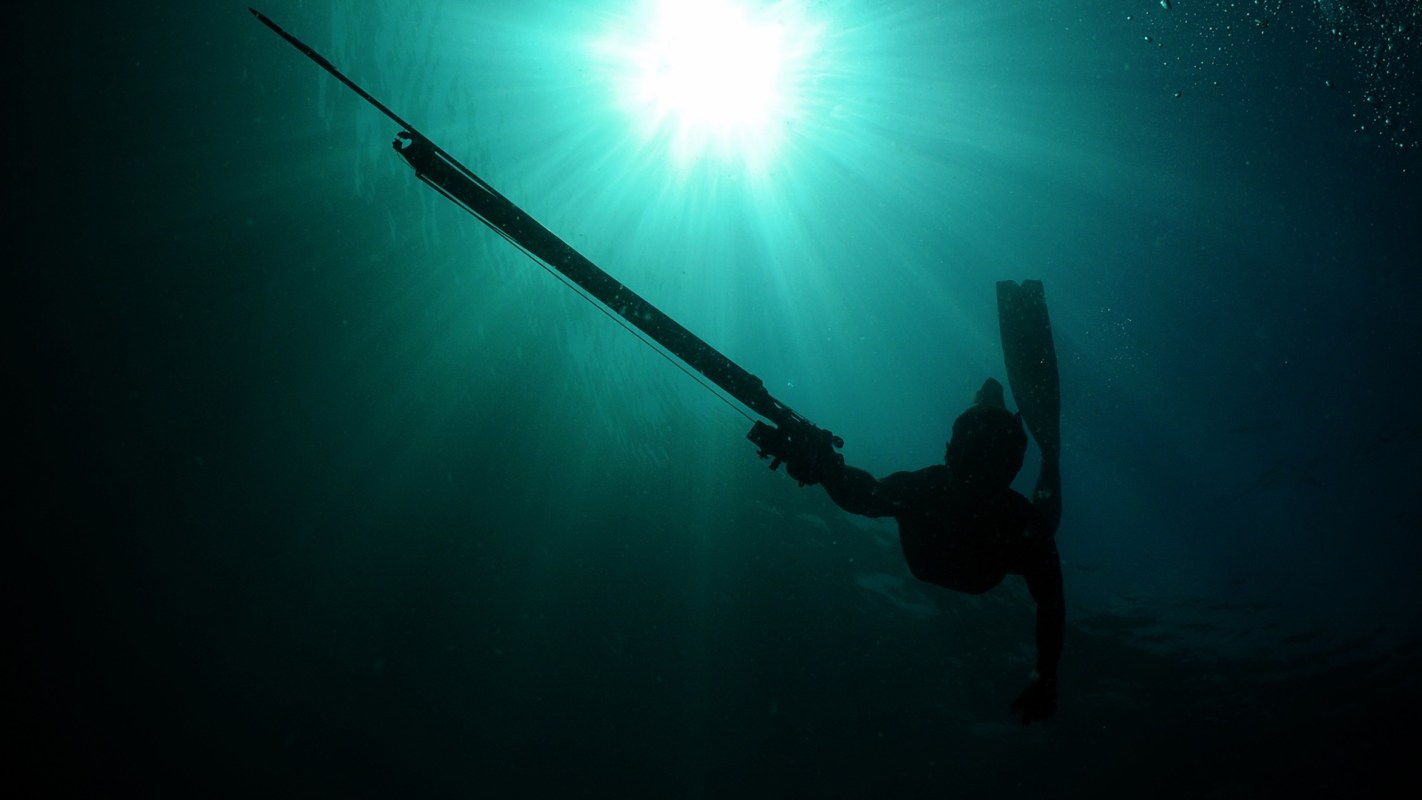
Australia recorded its third deadly shark attack in four weeks on Saturday when a 35-year-old spearfisher was killed off Western Australia in an encounter authorities suspect involved a 15-foot white shark.
The death has intensified concern that warmer water and more heavily used coastal areas may be changing shark movements and increasing the chances of human encounters.
What happened?
He was spearfishing with family near Michaelmas Island, off Albany, when the attack happened shortly before noon local time.
The Australian Broadcasting Corporation reported that police said he was brought back to Albany by boat for treatment by paramedics, but he could not be revived.
Officials suspect the shark involved was a 15-foot white shark. Western Australia was also the site of the May 16 death of 38-year-old spearfisher Steven Mattaboni near Rottnest Island.
On May 24, 39-year-old Michael Jensz died after a shark attack on the Great Barrier Reef caused head injuries he could not survive. Earlier this year, a 12-year-old boy was also killed in Sydney Harbor in an attack by a bull shark.
TCD Picks » Good Store Spotlight
Get 10% off your next purchase with code TCD10




For Australia, three fatal attacks in four weeks are well outside the norm, with the country averaging about three shark deaths a year in recent decades.
The International Shark Attack File records more than 1,280 shark incidents in Australia since 1791, including over 250 fatal cases.
Why are attacks happening?
Researchers in Australia say rising ocean temperatures and more crowded waters may be altering shark migration patterns, potentially making attacks more likely.
As coastlines grow busier and seas continue to warm, fishermen, surfers, swimmers, and boaters may find themselves sharing space with large predators more often.
TCD Picks » Quince Spotlight
💡These best-sellers from Quince deliver affordable, sustainable luxury for all




All three recent adult victims were spearfishers, an activity linked to added risk.
What's being done?
Researchers are continuing to study how temperature shifts, fish movements, and human use of the ocean may be changing shark behavior.
Avoiding areas where baitfish are active, staying out of the water at dawn and dusk, checking local shark alerts, and never diving or swimming alone can help lower the chance of an encounter.
Spearfishing carries added risk because struggling fish and blood in the water can attract predators.
Commercial fisherman Gregory Sharp told the Australian Broadcasting Corporation that larger sharks are commonly seen along that stretch of coast at this time of year, especially when prey species are moving through.
"We do see an increase in larger sharks this time of the year, particularly chasing the sardine and the salmon along the coast, which is quite normal," he said.

Get TCD's free newsletters for easy tips, smart advice, and a chance to earn $5,000 toward home upgrades. To see more stories like this one, change your Google preferences here.