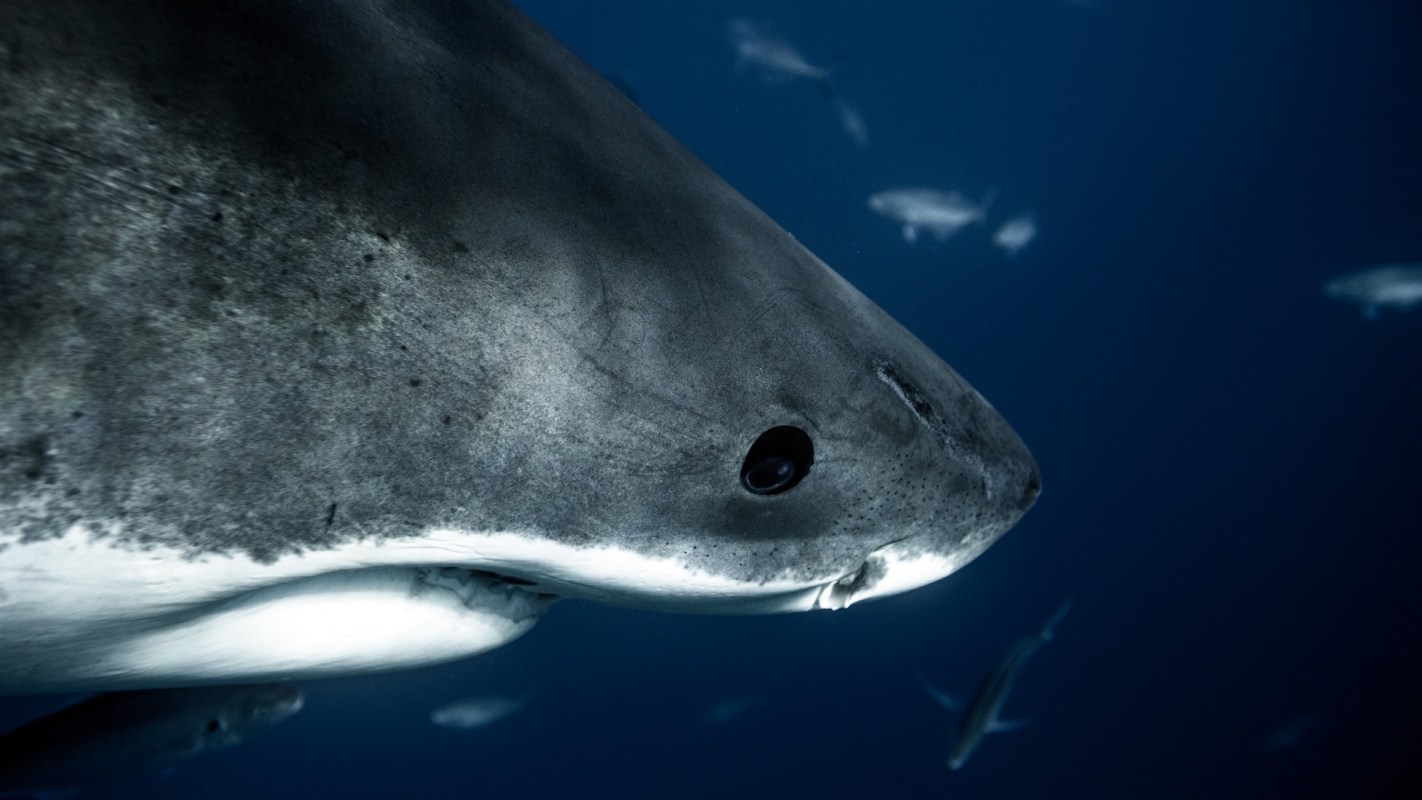
A shark attack near Diamond Head left a 38-year-old man seriously injured early Saturday, sending emergency responders rushing him to a hospital and prompting officials to issue warnings at two popular Honolulu surf spots.
The incident quickly turned a busy stretch of coastline in Hawaiʻi into an active safety zone.
Honolulu Emergency Medical Services said crews were called to Cromwell's Beach near Diamond Head at about 6:30 a.m. Saturday after reports of a shark attack.
Honolulu News Now reported that responders found the 38-year-old man with severe injuries to his lower legs and provided life-saving treatment before taking him to a hospital, where he was in serious condition.
After the attack, Ocean Safety officials issued a shark warning for the Cromwell's swim area and surf break after an aggressive shark was confirmed nearby.
A separate warning was issued around 7:20 a.m. at Ala Moana Bowls after lifeguards reported seeing two aggressive sharks near the surf break area, HawaiiNewsNow reported.
TCD Picks » Good Store Spotlight
Get 10% off your next purchase with code TCD10

Officials urged the public to avoid the water in the affected locations and follow posted warnings.
Though little information has been released about the species of sharks involved, encounters between humans and marine life are evolving. Between the expansion of tourism and changes in ocean ecosystems, altering aquatic food webs and migrations, people may be at a greater risk for encountering aquatic predators.
Dr. Nicholas Ray, a researcher in great white shark population dynamics at Nottingham Trent University, argues that human activity and climate change play significant roles in the rise of shark attacks, particularly in Australia.
"Warming oceans are changing where and when suitable conditions exist, so these [great white] sharks are adjusting their movements, timing, and locations," Dr. Ray explained in a university release. "The underlying factor here is often just that they are following their prey, therefore, it can make them seem more common in some places and absent in others."
TCD Picks » Quince Spotlight
💡These best-sellers from Quince deliver affordable, sustainable luxury for all




He continued, "The ocean is changing, and our relationship with its top predators must change with it. It is us that can make the changes, it is us that have a responsibility."

Get TCD's free newsletters for easy tips, smart advice, and a chance to earn $5,000 toward home upgrades. To see more stories like this one, change your Google preferences here.