


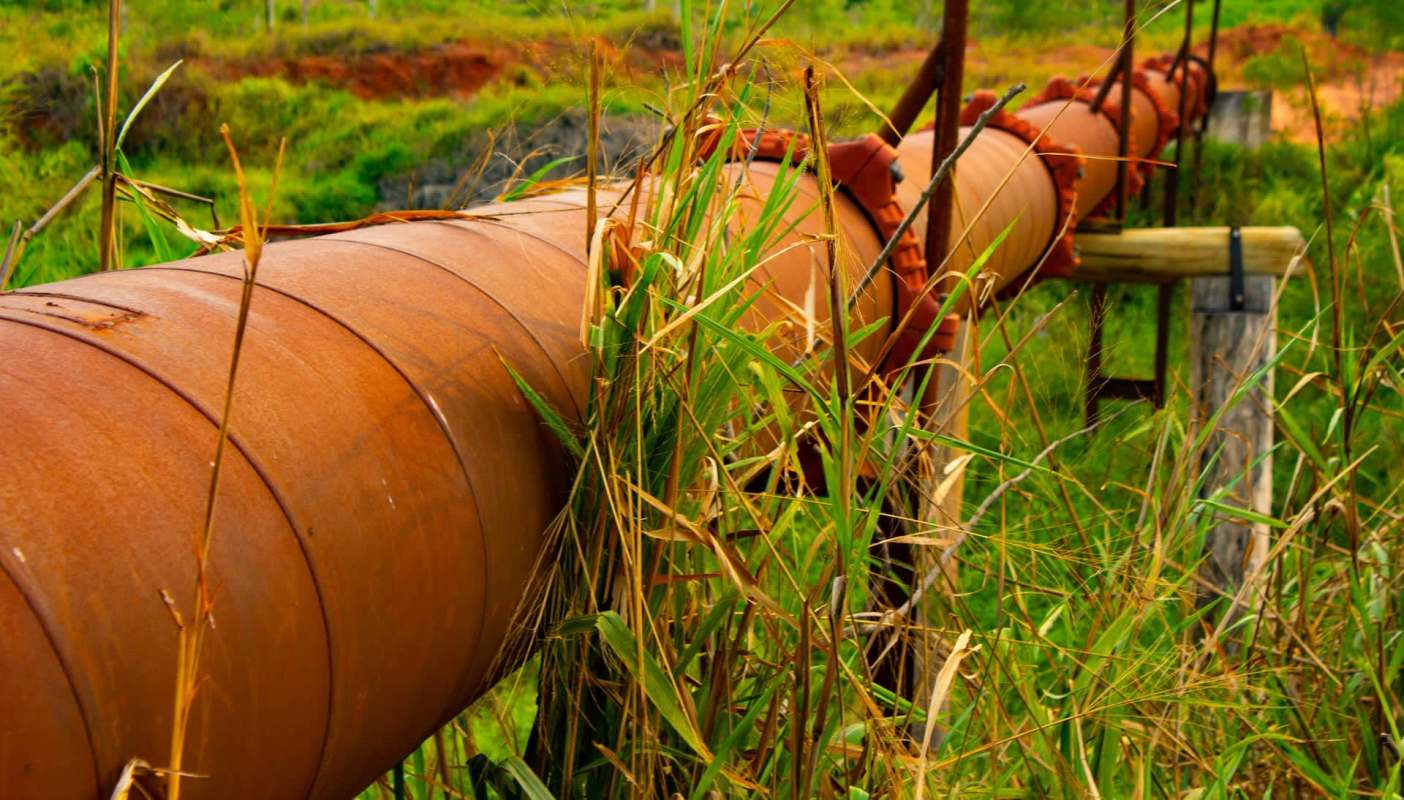
A fight over a sewage pipeline in Boone County, Kentucky, has made one woman's wooded property the center of a debate over who should bear the burden of infrastructure projects.
Here's what to know
The dispute reaches directly into the land of Burlington resident Gayle Pille, who has owned her more than 40 acres for nearly four decades. As WCPO 9 News reported, the planned sewer line would run across her property near Woolper Creek.
Sanitation District 1 of Northern Kentucky is pursuing a $39.5 million, four-phase sewer project to stop chronic overflows into Woolper Creek. It says about 1.2 million gallons of sewage enter the creek in a typical year and that the pipeline would eliminate those releases.
Boone County neighbors rally behind Burlington woman fighting to save her land from sewage pipeline https://t.co/8b07teDCbc
— WCPO 9 (@WCPO) September 15, 2026
SD1 says the work requires over 70 easements, with all but one already secured. It plans to take part of Pille's land through eminent domain for a 20-foot underground sewer easement, the outlet noted.
Pille has fought the seizure in court. A Boone County Circuit Court judge sided with SD1, and the Kentucky Court of Appeals upheld that decision April 3. She has asked the Kentucky Supreme Court to hear the case.
During an SD1 meeting, community members urged officials to abandon the proposed "B2" route and find an alternative that would spare mature forest, wildlife habitat, and private property, according to WCPO.
TCD Picks » Quince Spotlight
💡These best-sellers from Quince deliver affordable, sustainable luxury for all




More background
SD1 argues the pipeline will address the pollution problem and improve wastewater reliability. The agency also says the project would expand sewer access in underserved parts of Boone County, giving households the option to move away from private septic systems that can contaminate groundwater and surface water when they fail.
Opponents say the environmental trade-offs should not be brushed aside simply because the project serves a public purpose. "B2 is costing a lot. Private property, creeks and waterways, a mature forest and abundant wildlife habitat," one community member said at the meeting, as WCPO reported.
What's being done?
SD1 says it reviewed multiple options before selecting the route. Engineers weighed short- and long-term costs along with system performance, compliance requirements, constructability, environmental effects, and public benefit.
"Our engineers and consultants evaluated multiple alternatives," SD1 representative Adam Cheney said at the meeting, per WCPO. "The selected approach provides a gravity-based solution that reduces reliance on pump stations and ongoing operation, maintenance, and the eventual replacement cost associated with those pumps."
SD1 says it reduced temporary construction areas in many places from about 100 feet to 40 feet, prepared stream-crossing restoration plans, and coordinated environmental review and permitting with state and federal agencies.
Neighbors continue to speak out, and Pille is pushing for the state's highest court to take up the case.
For her, the battle is about what could be disrupted on the land she has fought to protect. "It's full of deer, it's full of turkeys. You see the bird feeders right here, lots of different birds," she said.
Where can I learn more?
These stories cover similar disputes.
• A homeowner discovered a neighbor's water line cut across their garden and damaged their yard.
• In Chicago, residents clashed over a neighborhood road project meant to slow traffic.
• A homeowner battled an HOA over a wetland she feared would disappear.

Get TCD's free newsletters for easy tips, smart advice, and a chance to earn $5,000 toward home upgrades. To see more stories like this one, change your Google preferences here.







