


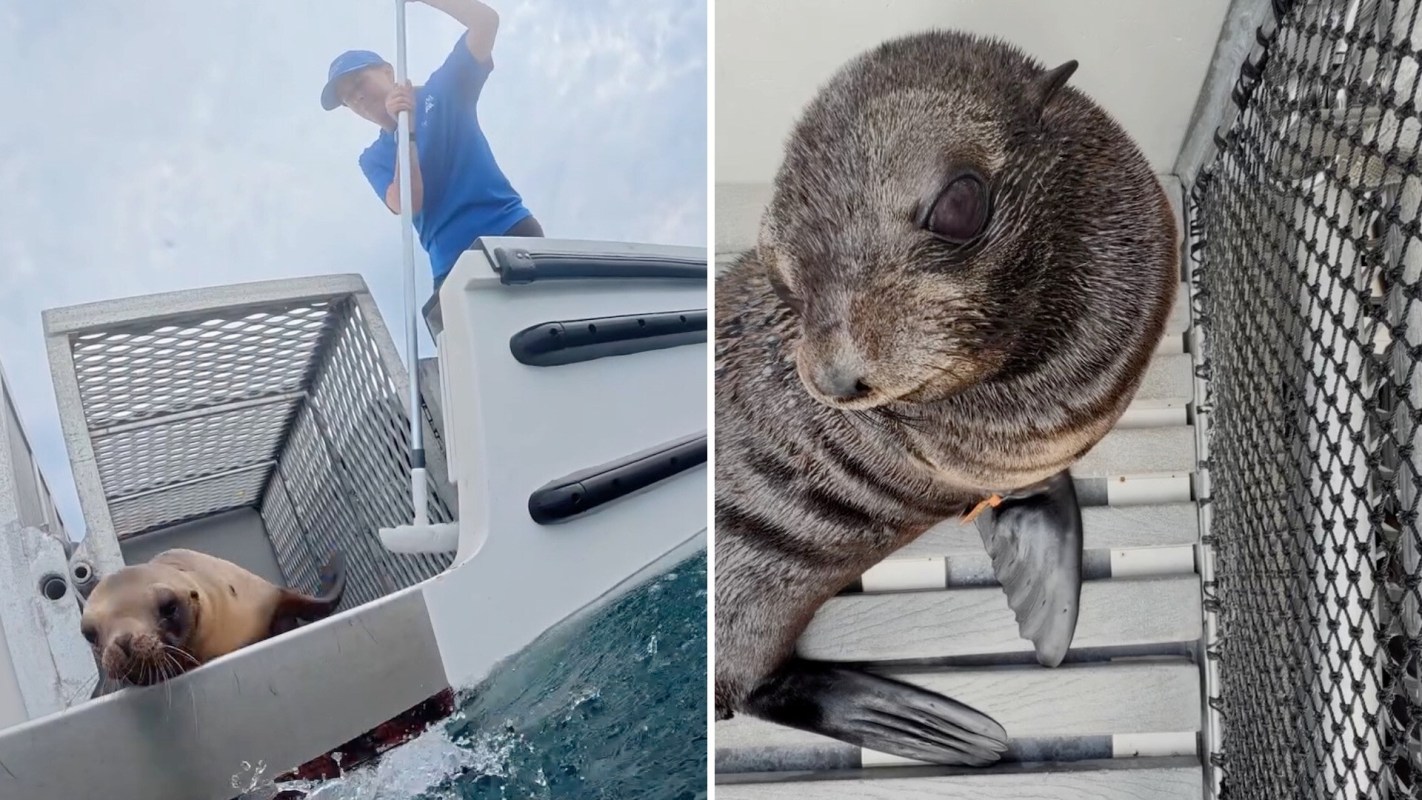
SeaWorld San Diego released 13 rehabilitated marine mammals and seabirds into the Pacific, offering an encouraging sign for wildlife recovery along the California coast.
The release comes as the park also cares for newly born animals and prepares to assist with a much larger international beluga rescue effort.
What happened?
Among the animals returned to the ocean were a threatened Guadalupe fur seal, two northern fulmars, a common murre, and nine California sea lions, according to FOX 5.
SeaWorld rescuers said that the animals were treated for problems including injuries, severe malnutrition, and fishing-line entanglements.
In two cases, fishing line was wrapped around the animals' necks, and one California sea lion had line running through its mouth.
The two northern fulmars arrived with different needs, as one had an injury and the other was emaciated.
TCD Picks » Quince Spotlight
💡These best-sellers from Quince deliver affordable, sustainable luxury for all




The Guadalupe fur seal had first been rescued in late January by the Pacific Marine Mammal Center, where it was stabilized before being transferred to SeaWorld San Diego.
June also brought two births at the park: a bottlenose dolphin calf and a California sea lion pup.
Why does it matter?
Marine rescue work saves individual animals and can also help protect ocean ecosystems that support recreation, tourism, and local identity in coastal communities.
Cases involving fishing-line entanglement also point to a persistent problem in marine environments: debris and lost gear can keep harming wildlife long after they enter the water.
Sea lions and seabirds are especially vulnerable because they can become tangled while feeding or swimming near shore.
When threatened animals such as Guadalupe fur seals are rehabilitated and returned to the wild, it can support species already under pressure as well as the food webs that connect marine life, fisheries, and shoreline habitats.
Wildlife rescues often begin when someone spots an injured animal and reports it.
What's being done?
SeaWorld says its rescue team operates 24/7 to respond to sick, injured, or orphaned animals and rehabilitate them for release back into the wild.
Anyone who sees marine wildlife in distress can contact the SeaWorld Rescue team at 1-800-541-SEAL (7325). Reporting a problem instead of approaching or handling an animal can help trained responders act more safely and quickly.
SeaWorld San Diego is involved in a broader rescue effort connected to the closure of Marineland of Canada, where 30 beluga whales are part of a push to prevent euthanasia. The effort began in mid-July and has drawn assistance from groups across the U.S., along with one in Spain.
As part of that operation, SeaWorld San Diego is expected to receive three belugas — Xavier, 13, and Cyprus and Jasper, both 9.

Get TCD's free newsletters for easy tips, smart advice, and a chance to earn $5,000 toward home upgrades. To see more stories like this one, change your Google preferences here.







