


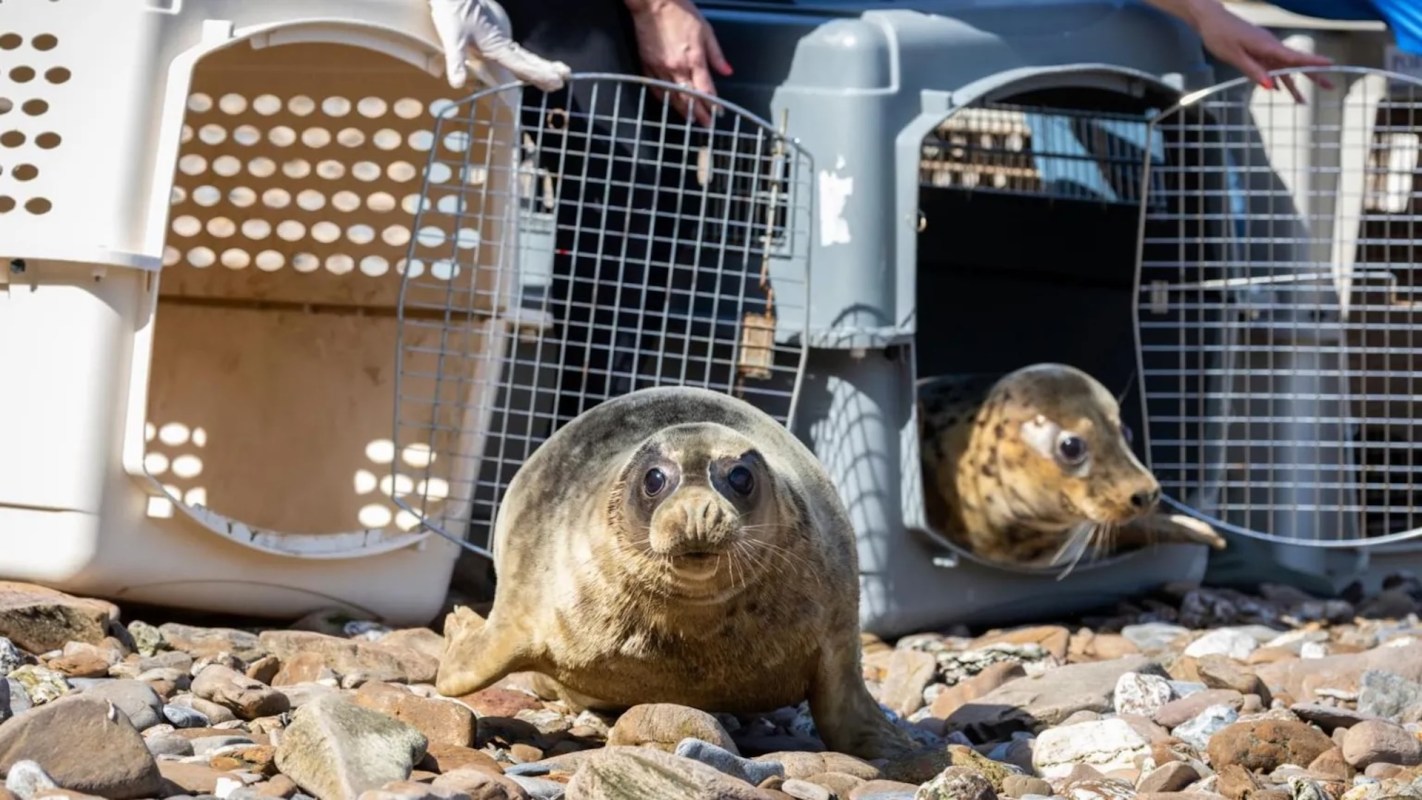
A young gray seal pup named Muse is back in the wild after rehabilitation, months after he reached Wales in poor condition at the end of a 120-kilometer (75-mile) swim. By the time he was released, he had grown to nearly three times his size when rescuers first picked him up.
The rescue-and-release story is drawing attention as a reminder of how quickly coordinated wildlife care can change the fate of an animal in trouble.
What happened?
According to a report from the BBC, rescuers found Muse on Dec. 11 on rocks in Pembrokeshire. He was in poor condition.
Four days before he was secured in Wales, the pup had been seen 75 miles away by British Divers Marine Life Rescue at Port Gaverne in Cornwall, the outlet reported.
When he was found, officials said Muse was also thin and dehydrated.
The Royal Society for the Prevention of Cruelty to Animals then took Muse in, the BBC reported, to look after him until he was fit enough to go back to sea.
TCD Picks » Quince Spotlight
💡These best-sellers from Quince deliver affordable, sustainable luxury for all




Luckily, Muse was able to get healthy enough under official care to be released back into the wild. On April 8, Muse was released off the coast of Devon alongside five other rescued seals, according to the BBC.
Wildlife supervisor Ryan Walker said: "His last weight was measured at 41.5 kilograms (91.5 pounds), nearly tripling in size since he was picked up on the beach."
Why does it matter?
Young seals suffering from dehydration or exhaustion sometimes need help from wildlife professionals, making trained responders, rehabilitation centers, and vigilant members of the public essential to spotting animals in distress and getting them the care they need.
Healthy marine mammals are part of thriving coastal ecosystems, which in turn support local communities, tourism, and the health of shorelines people rely on for work and recreation.
Having Muse back in his natural habitat is a small step toward a healthy marine food chain.
In comments reported by the BBC, RSPCA representative Ellie West described Muse's case as a "fascinating one" and said she was pleased he could return to the wild.
She also described Muse's journey as a "really long swim for a young pup."

Get TCD's free newsletters for easy tips, smart advice, and a chance to earn $5,000 toward home upgrades. To see more stories like this one, change your Google preferences here.







