


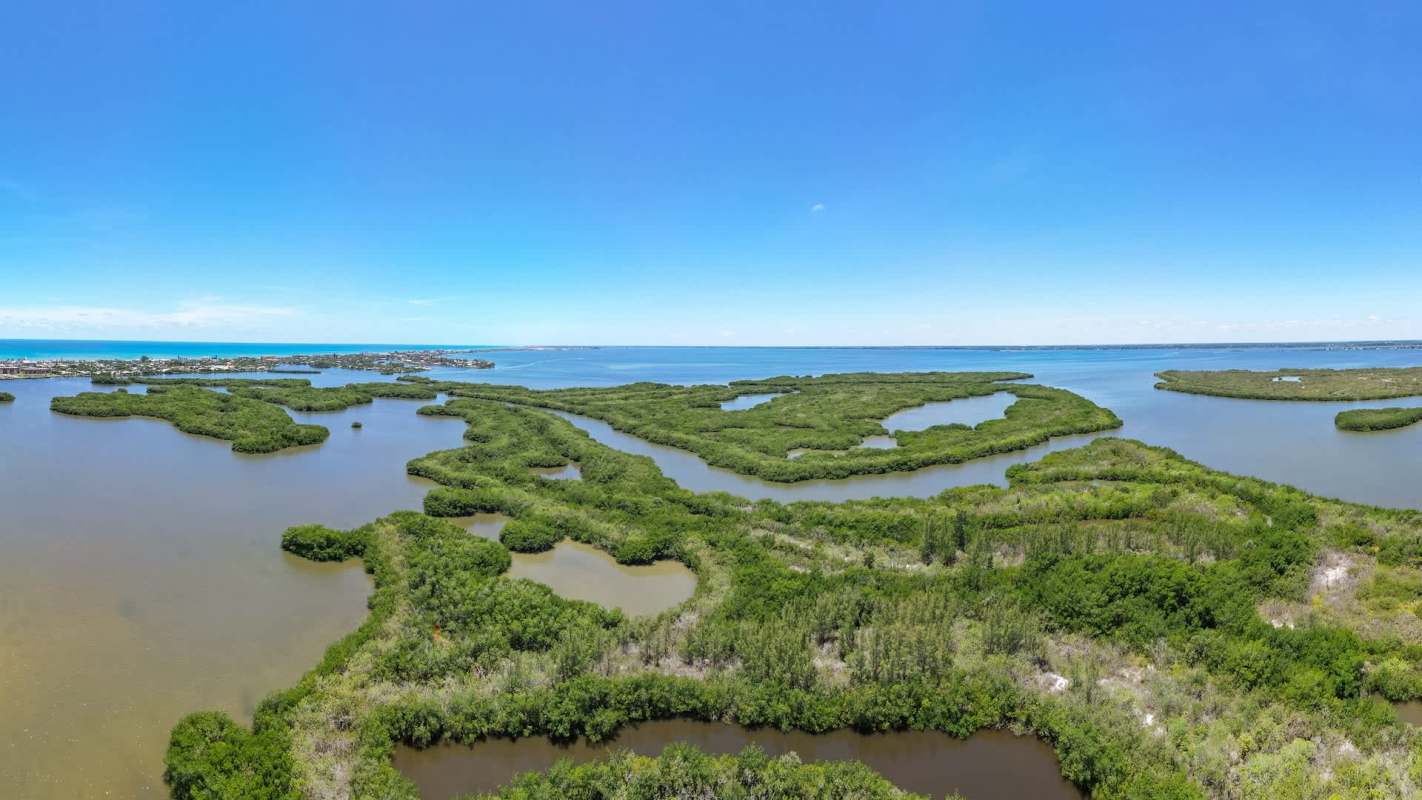
One of Florida's most important waterways is showing signs of a remarkable recovery — welcome news for wildlife, anglers, boaters, and the communities that depend on a healthy lagoon.
According to WOFL, researchers say seagrass is making a strong comeback in the Indian River Lagoon along Florida's Space Coast after years of decline.
Recent monitoring from the St. Johns River Water Management District found that seagrass coverage has expanded by an area equal to roughly 13,000 football fields — a 72% increase since 2023.
"We are seeing a natural recovery in our seagrass beds," said environmental scientist Lauren Hall, per Fox 35 Orlando. "We've also seen an increase within those beds in density of seagrass."
That rebound is significant because seagrass is far more than underwater vegetation. Healthy seagrass beds create habitat for fish, crabs, shrimp, and other marine life while stabilizing sediment and improving water clarity.
They also support the broader food web on which coastal communities rely.
TCD Picks » Quince Spotlight
💡These best-sellers from Quince deliver affordable, sustainable luxury for all




For residents and businesses, that can translate into tangible benefits. Stronger seagrass ecosystems can improve recreational fishing, support wildlife tourism, and enhance activities such as boating, kayaking, and paddleboarding.
Cleaner water can also make shorelines more enjoyable while helping reduce some of the foul-smelling muck and habitat degradation that have plagued the lagoon in recent years.
The rebound is especially encouraging because the Indian River Lagoon suffered devastating losses after major algal blooms in 2011.
Those blooms were fueled largely by excess nutrient pollution, which clouded the water and blocked sunlight from reaching underwater vegetation. Large portions of the lagoon's seagrass eventually died off, disrupting the ecosystem and harming marine animals that depend on it.
Now, researchers say improving water quality is helping nature rebound on its own.
That recovery offers hope not only for Brevard County communities, but also for other coastal regions struggling with pollution and ecosystem decline. It suggests that when water quality improves, damaged ecosystems can sometimes recover faster than expected.
There is also a broader environmental upside. Like other coastal plants, seagrass helps capture and store carbon while protecting shorelines from erosion and poor water conditions. Scientists increasingly view healthy seagrass meadows as important natural tools for making coastlines more resilient in a warming world.
Officials stress that the comeback did not happen by accident.
Efforts to reduce nutrient pollution, restore water quality, and remove accumulated muck from parts of the lagoon have all contributed to improving conditions.
Additional restoration projects are planned near the Eau Gallie Causeway as work continues to protect the waterway's long-term health.
Continued investment could help preserve the gains already underway and support even more recovery in the years ahead.
"When the right conditions return to the Indian River Lagoon, the seagrass can come back on its own, and it gives us a whole lot of hope for the future for seagrasses," said Hall, per WOFL.

Get TCD's free newsletters for easy tips, smart advice, and a chance to earn $5,000 toward home upgrades. To see more stories like this one, change your Google preferences here.







