


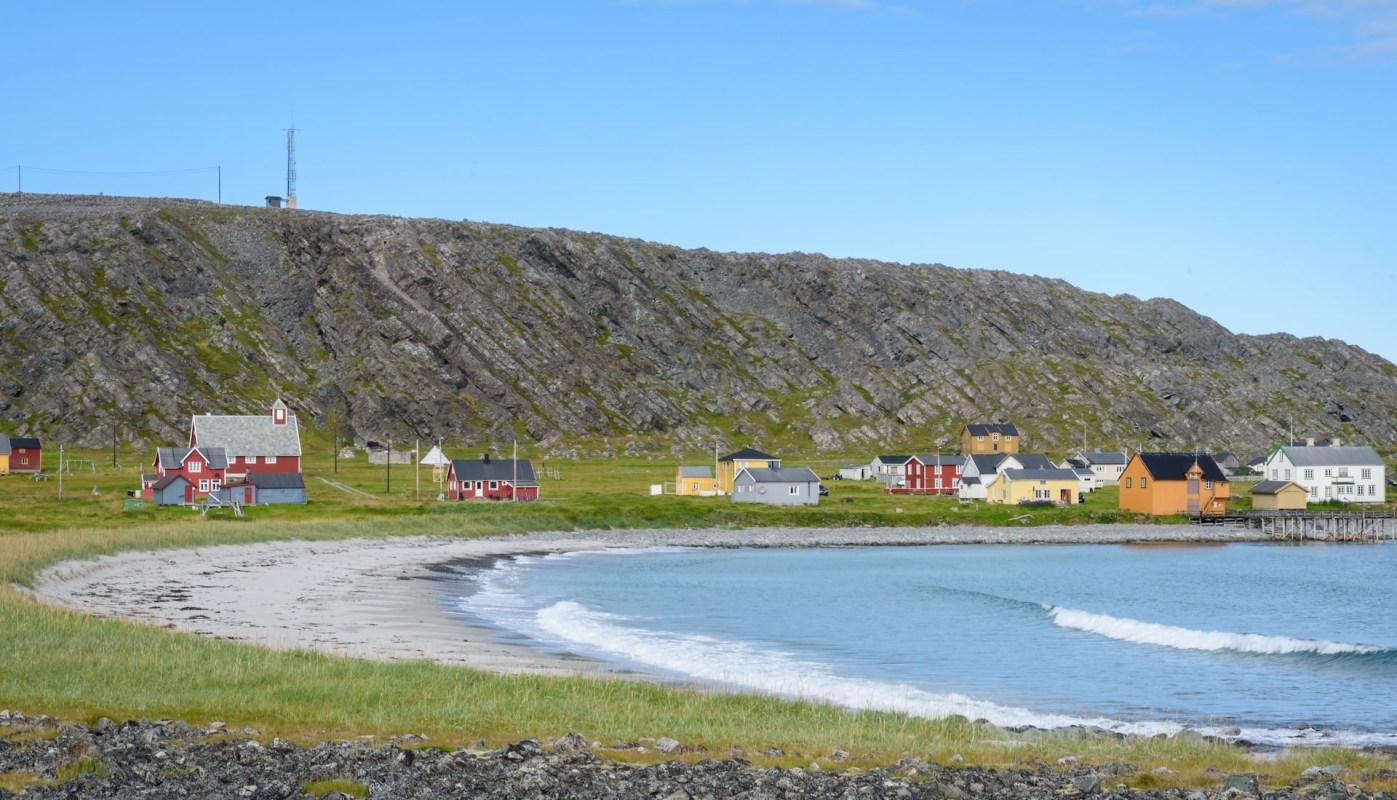
At the northeast end of Norway, beside the Barents Sea, there's a "seagull hotel."
The tall set of stacked crates is a shelter from storms for seabirds in the town of Vardø — an Arctic birding destination that is seeing species decline with the impacts of rising global temperatures, disease, and other factors.
What's happening?
As the Associated Press reported recently, environmental shifts, along with avian health issues, are threatening seabirds in delicately balanced ecosystems along Norway's coast.
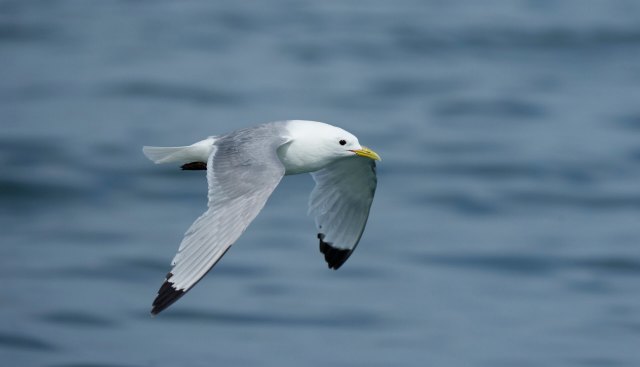
The area's population of small gulls called kittiwakes has decreased by 80% since the 1990s, according to the report, which also featured a video showing the bird hotel. Per the AP, kittiwakes and other seabirds have declined due to the effects of temperature increases, predator activity, fishing impacts, and bird flu.
One of the reasons for biodiversity along Norway's north coast is that the Gulf Stream brings warm water into contact with cold Arctic water in the Barents Sea — creating favorable conditions for fish and birds that feed on them.
Shifts brought on by global temperature increases are bringing overly warm water into the Barents and changing conditions for fish. Some food fish are moving deeper or farther north and are no longer accessible for near-surface seabirds to live on.
TCD Picks » Quince Spotlight
💡These best-sellers from Quince deliver affordable, sustainable luxury for all




Coastal fishing and predators such as white-tailed eagles are also taking their toll on seabirds — as is avian flu, which killed 25,000 kittiwakes in 2023 alone, per the AP.
Why is the decline of Norway's seabirds concerning?
For Vardø, seabirds have meant tourism dollars.
"Every small business in the town, it's depending on the tourists to come and visit," said guide and ranger Boris Belchev in the news report.
From the town, birders access Hornøya Island, famous for hosting thousands of birds in nesting season but noticeably depleted in recent years.
TCD Picks » Quince Spotlight
💡These best-sellers from Quince deliver affordable, sustainable luxury for all
|
Do you worry about the longevity of EV batteries? Click your choice to see results and speak your mind. |
 For sure 💯
 "Last summer, I was shocked," Belchev said, about his concerns from a recent visit. "Where are all the birds?'"
More broadly, failing bird populations suggest unhealthy habitats — and seabirds play important roles in ecosystems, such as by distributing nutrients to the sea in their droppings. By one estimation, their poop is worth millions.
What's being done about Norway's seabird decline?
The seabird hotel in Vardø, built by a local fisherman, is one in a series of bird hotels along Norway's coast. These structures have provided nesting sites for kittiwakes and other birds that need cover from predators. Vardø may expand its hotel next year, per the AP.
Tone Kristin Reiertsen, a Norwegian Institute for Nature Research scientist, called for additional action from officials. For one thing, she suggested reducing or stopping fishing and boating near nesting colonies.
"We don't have much time," Reiertsen said in the AP report. "We have to act quickly."

Join our free newsletter for good news and useful tips, and don't miss this cool list of easy ways to help yourself while helping the planet.







