


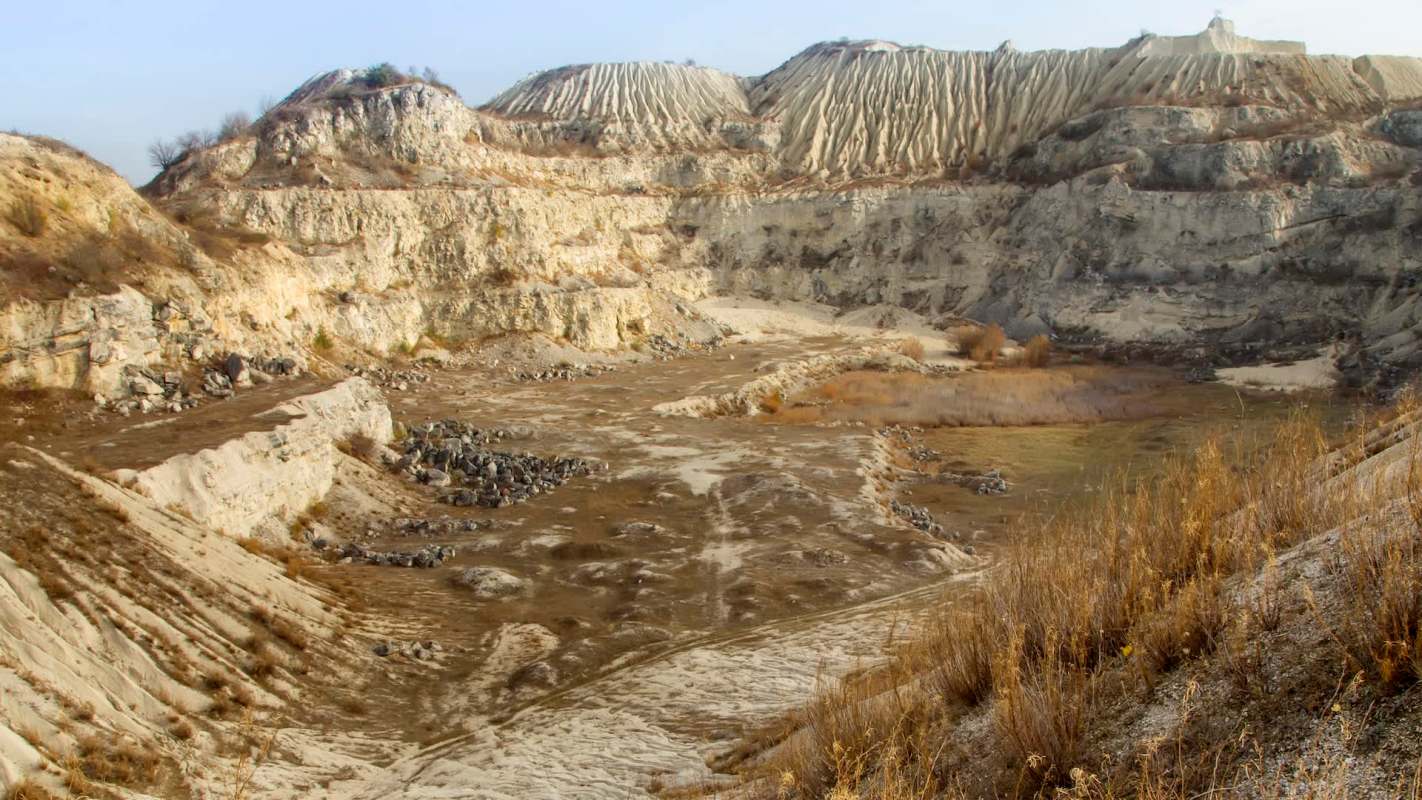
Sand, the most extracted solid material on Earth, is being extracted faster than it can be replenished, a new United Nations analysis warned.
It is being taken from rivers, coastlines, and seabeds at a pace that is outstripping what many people assume is an effectively endless resource, and this overextraction is damaging ecosystems and harming communities that rely on healthy coasts and fisheries, The Guardian reported.
In natural systems, sand helps regulate rivers, filter water, protect coastal aquifers, support biodiversity, and buffer shorelines against storm surges and sea-level rise.
The world now uses roughly 50 billion metric tonnes, or about 55 billion tons, of sand every year for concrete, roads, sea walls, building foundations, windows, silicon chips, and solar panels. Demand is expected to keep rising.
That has created a growing tension between the value of sand as a construction material and the value of leaving it in place.
"Sand is sometimes referred to as the unrecognized hero of development," said Pascal Peduzzi, director of the U.N. Environment Programme's Global Resource Information Database in Geneva, per The Guardian. Its role in protecting people and ecosystems is often overlooked.
TCD Picks » Quince Spotlight
💡These best-sellers from Quince deliver affordable, sustainable luxury for all




One of the starkest examples of this overextraction comes from the Maldives, where land reclamation has been promoted as a response to overcrowding and rising seas.
In 2019, the Maldives hired a Dutch company to reclaim the lagoon at Gulhifalhu near the capital of Malé. For the roughly 475-acre scheme, approximately 865 million cubic feet were taken from 5.3 square miles in the northern Malé atoll.
An environmental assessment, finished six months later, concluded the harm could not be reversed.
The U.N. analysis says the project wiped out roughly 494 acres of coral reef and lagoon habitat, including protected marine zones.
The problem is not limited to the Maldives.
A 4,200-acre airport scheme in the Philippines used nearly 5.5 billion cubic feet of sand and devastated fishing communities in Manila Bay.
In South Sulawesi, Indonesia, a separate project removed 777 million cubic feet of sand from key fishing grounds and slashed local fishing incomes by 80%.
The core issue is that the same sand being mined to support development is also part of the natural systems that shield people from escalating environmental risks.
For islands and coastal communities, that tradeoff can be especially severe.
More than 80% of the Maldives' land lies less than one meter above sea level, making it one of the countries most exposed to sea-level rise. It needs both protection and space for people to live. But tearing up reefs, lagoons, and seabeds to create that space can simultaneously weaken fisheries, damage tourism, and strip away natural coastal defenses.
In effect, communities can lose twice: first to rising seas, and then to the consequences of the projects meant to protect them.
The ecological damage also spreads outward.
Coral reefs and lagoon habitats support fish, turtles, birds, crabs, and countless other species. When those systems are destroyed, food supplies shrink, incomes fall, and coastlines become more vulnerable to erosion and storm damage.
In places where families depend on small-scale fishing, the impacts are immediate.
Even the promised benefits of development may not materialize.
In the Maldives case, a technical review of the Gulhifalhu land use plan found that, given the expected density and infrastructure allocation, the new area could amount to an "urban disaster," per The Guardian.
Unchecked sand extraction can undermine progress toward a safer future by weakening housing security, food security, livelihoods, and natural protection at the same time.
According to UNEP, addressing the sand extraction dilemma would require a major overhaul of governance processes.
That would mean improved data, mapping, and monitoring to spot ecologically valuable areas, along with more transparency and stronger compliance with environmental rules.
The report also called on planners to improve decision-making so they can identify high-value habitats and avoid destroying natural defenses that communities will need in the years ahead.
Sand may seem ordinary. But the U.N.'s warning makes clear that losing it at this scale is anything but.

Get TCD's free newsletters for easy tips, smart advice, and a chance to earn $5,000 toward home upgrades. To see more stories like this one, change your Google preferences here.







