


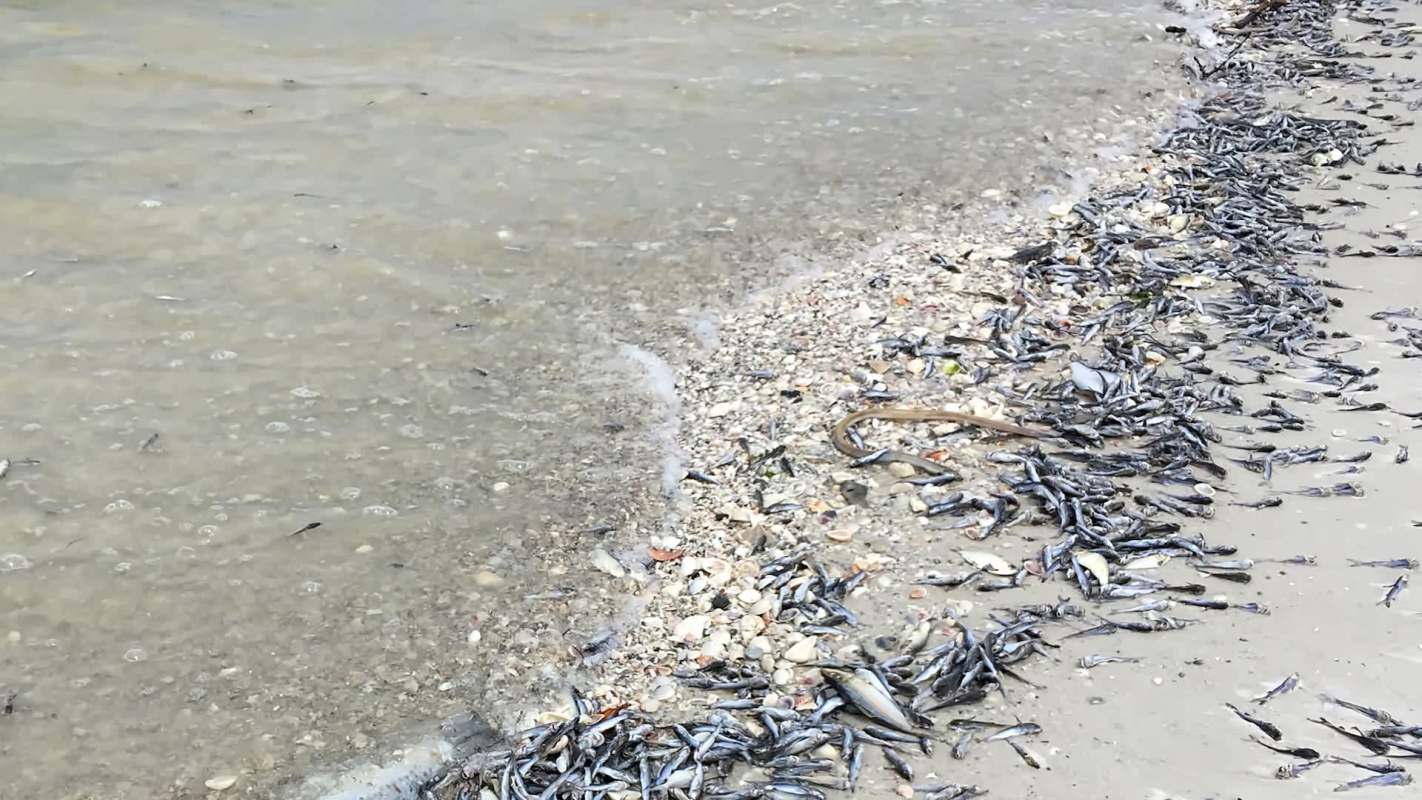
Nearly all the fish at San Carlos Lake have died, and officials have closed the once-busy Arizona fishing spot, leaving a longtime recreation area facing a potential public health issue.
The collapse at San Carlos Lake is a stark reminder of how drought and water stress can unravel the outdoor spaces and local economies on which many communities depend.
What happened?
Officials closed San Carlos Lake "until further notice" after saying the reservoir had lost almost its entire fish population. The Gila River lake had been known for bass, catfish, and crappie fishing.
The San Carlos Recreation and Wildlife Department warned that "decomposing fish may pose health risks to individuals who enter the area or attempt to fish," prompting the closure.
Gizmodo reported that the die-off came after extended drought and water releases from Coolidge Dam. In a Facebook notice, the department said: "Recent drought conditions, combined with water releases from the dam, have resulted in a major fish kill affecting approximately 100% of the fish population within the lake."
On San Carlos Apache tribal lands, the reservoir stretches along about 158 miles of shoreline. It has long been marketed for fishing and recreation, even though it was built for irrigation rather than as a reliable fish habitat.
TCD Picks » Quince Spotlight
💡These best-sellers from Quince deliver affordable, sustainable luxury for all




Gizmodo noted that Jon Johnson, an independent reporter for the Gila Herald, described this kind of collapse as "a recurring scar for San Carlos Lake," noting that the reservoir has repeatedly dropped to dead-pool levels over the decades.
Why does it matter?
The disappearance of a lake's fish can take away a source of food, leisure, and tourism-related income for nearby households.
The economic damage can reach beyond anglers, affecting bait shops, guides, and other small businesses that rely on lake traffic.
Lakes and reservoirs are already under pressure from rising heat, shrinking water supplies, and competing agricultural demands. When those pressures build at once, ecosystems can collapse quickly.
State officials have studied fish kills for years, and the causes are often complex. Low water levels can force fish into tighter spaces where oxygen is depleted. Fertilizer runoff can fuel algal blooms that drive oxygen levels down even further, and some algae can also release toxins that are deadly to fish.
A reservoir can shift from a community asset to a hazard almost overnight.
What's being done?
For now, officials are focused on public safety and monitoring conditions at the lake. The San Carlos Recreation and Wildlife Department said it would continue watching the reservoir and sharing updates as more information becomes available.
Arizona water managers have previously relied on the Central Arizona Project to ease some irrigation pressure on San Carlos Lake and help preserve fish populations. However, this latest die-off shows how fragile those stopgap measures can be when drought persists.
Arizona's Game and Fish Commission has also continued examining the drivers behind fish kills statewide, including low dissolved oxygen, overstocking, runoff, and harmful algae.

Get TCD's free newsletters for easy tips, smart advice, and a chance to earn $5,000 toward home upgrades. To see more stories like this one, change your Google preferences here.







