


Rising sea levels are eroding coastlines and putting an island's cultural heritage and way of life in jeopardy.
What's happening?
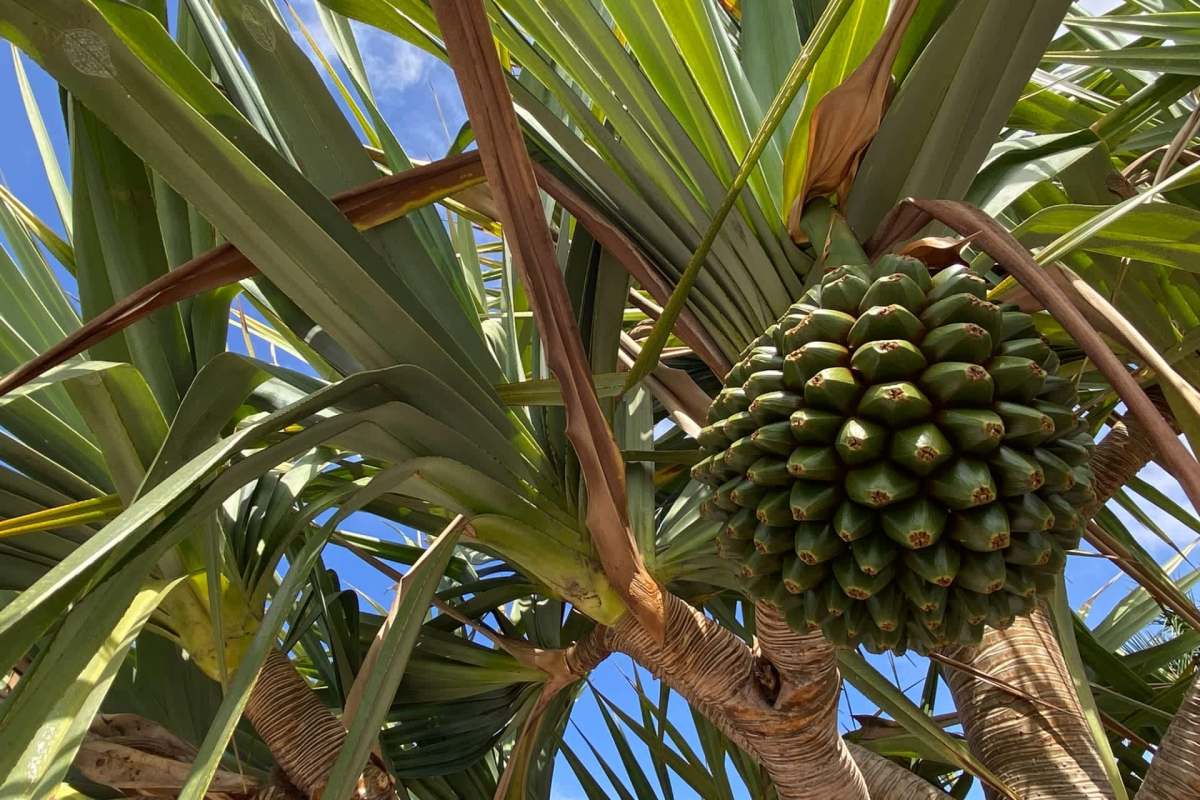
According to Travel Tomorrow, the effects of the planet-heating pollution caused by human activity are threatening the viability of Samoa's pandanus plant.
The plant's leaves are used to make mats for traditional ceremonies that have been practiced for generations. However, the plants grow in low-lying and coastal areas that are most likely to be impacted by rising sea levels and extreme weather events.
Local efforts to curtail the contraction of coastlines aren't having the desired effect, according to residents.
The outlet quoted a weaver and member of the women's committee who said, "We can see a slow shift."
Why is Samoa's coastline such a concern?
Rising sea levels present an existential threat to several low-lying islands around the world. For example, the Turtle Islands off the coast of Sierra Leone may soon vanish.
TCD Picks » Quince Spotlight
💡These best-sellers from Quince deliver affordable, sustainable luxury for all




Similarly, Fiji is undergoing mass relocations for citizens whose residences are disappearing beneath the rising sea, per The Guardian.
While there have always been extreme weather events, rising global temperatures are making them more intense and dangerous for communities.
As the UN noted, one of the great tragedies of the worsening conditions is that the states bearing the brunt of the crisis have had the least responsibility for creating it.
The richest 10% of nations contribute 35% to 45% of harmful pollution, while the bottom half are only responsible for about 13% to 15%.
|
Do you think your city has good air quality? Click your choice to see results and speak your mind. |
 Definitely 🥰
 Put another way, 17.1 million tons of carbon dioxide were produced by private planes in 2023, according to the BBC. That's more than 40 times the pollution footprint of the entire nation of Samoa in 2022.
What's being done to protect island nations?
Locally, the Samoan government has made moves to protect its coasts by establishing marine protected areas to restrict commercial fishing, covering 30% of its territorial waters. There's a framework in place to have all of its waters sustainably managed by 2030, per Oceanographic.
Ultimately, a broader international effort will be needed to manage the problem effectively, and there's a lot that can be done at the individual level.
The first step is raising awareness of crucial ecological issues and having productive conversations with family and friends. Additionally, it's important to lend support to political candidates who prioritize the long-term well-being of the planet over short-term profiteering.

Join our free newsletter for good news and useful tips, and don't miss this cool list of easy ways to help yourself while helping the planet.







