


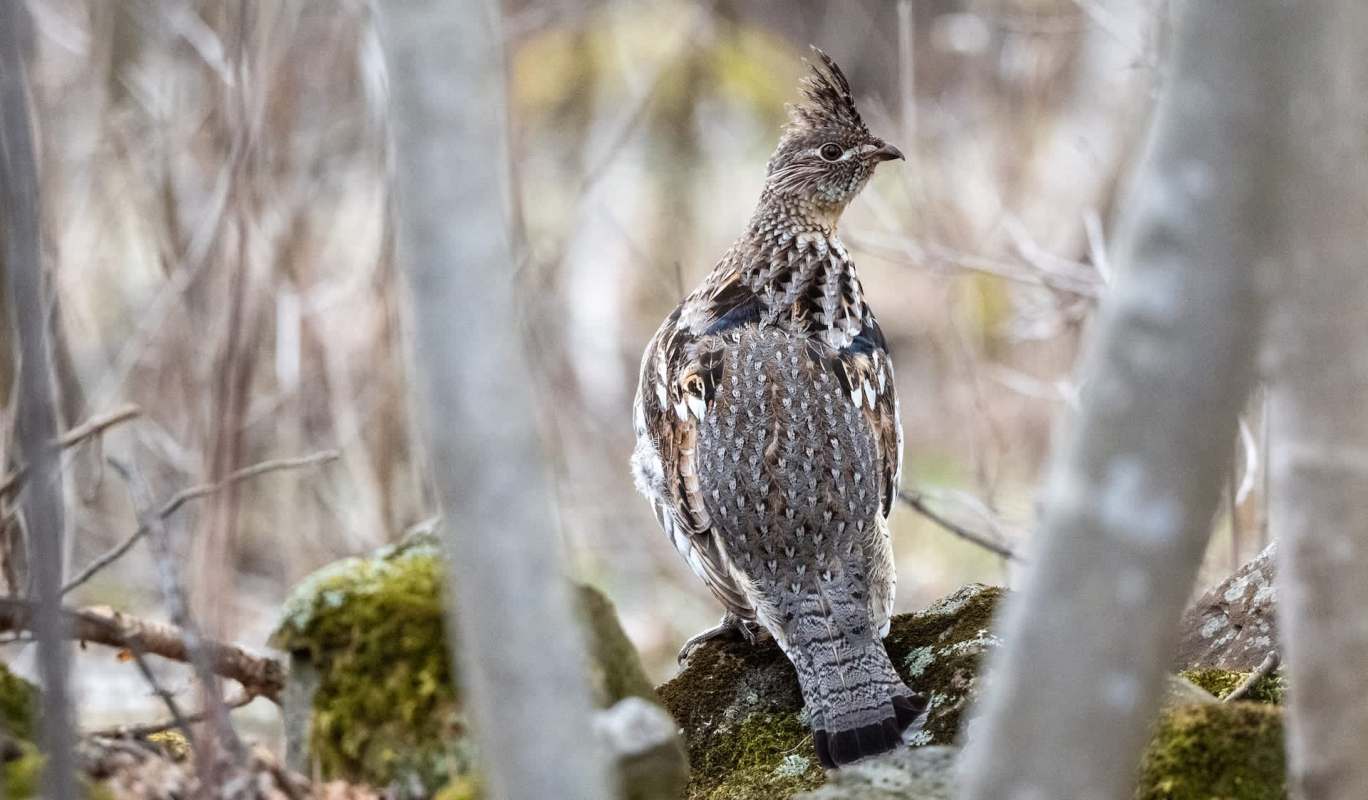
If you've ever been hiking in a forest and heard a sound like a helicopter, there may actually be a natural cause: a ruffed grouse.
The National Audubon Society (@audubonsociety) posted footage of the remarkable drumming display in which the bird beats its wings up to 50 times in about 10 seconds.
Here's what to know
In the Instagram reel, a male ruffed grouse finds its footing on a log, ruffles his wings, and then begins beating his wings so quickly that they become a blur, producing a helicopter-like sound. The purpose of the display is to attract a mate.
Speaking with the National Audubon Society, Charlotte Roy, a grouse research scientist for the Minnesota Department of Natural Resources, also described the low-frequency sound as "almost like you're hearing your heartbeat in the back of your head."
"First time I heard this, I thought it was a basketball being dribbled," one commenter shared. "I love grouses!" Another joked, "Thought aliens were coming."
"Incredible video but the audio on this does not do it justice! It's so deep and carries so far through the earth, it's incredible to experience," a third remarked.
TCD Picks » Quince Spotlight
💡These best-sellers from Quince deliver affordable, sustainable luxury for all




Why does it matter?
For the ruffed grouse, the drumming display allows them to secure a mate. For scientists, the behavior is a cost-effective way to estimate their populations and determine how the species or the forest might need additional support, Roy told the National Audubon Society.
Birds like ruffed grouse are key indicators of ecosystem health. Ruffed grouse help to disperse seeds, control insect populations, and serve as a food source for predators like foxes and owls.
What can I do?
Supporting local conservation organizations, parks, and land protection efforts helps maintain the places where displays like this can still happen. Respecting trail rules and avoiding disturbance in wildlife areas can help make outdoor spaces better for animals and visitors alike.
Field guides, bird ID apps, and local nature groups can make it easier to connect an unfamiliar sound with a species before the moment passes.
If a grouse does appear, the best approach is patience. Watch from a distance, keep noise to a minimum, and allow the bird to continue its natural behavior without interference.
As the National Audubon Society put it, "The thunderous sound they produce is a boon for science and a treat for birders."

Get TCD's free newsletters for easy tips, smart advice, and a chance to earn $5,000 toward home upgrades. To see more stories like this one, change your Google preferences here.







