


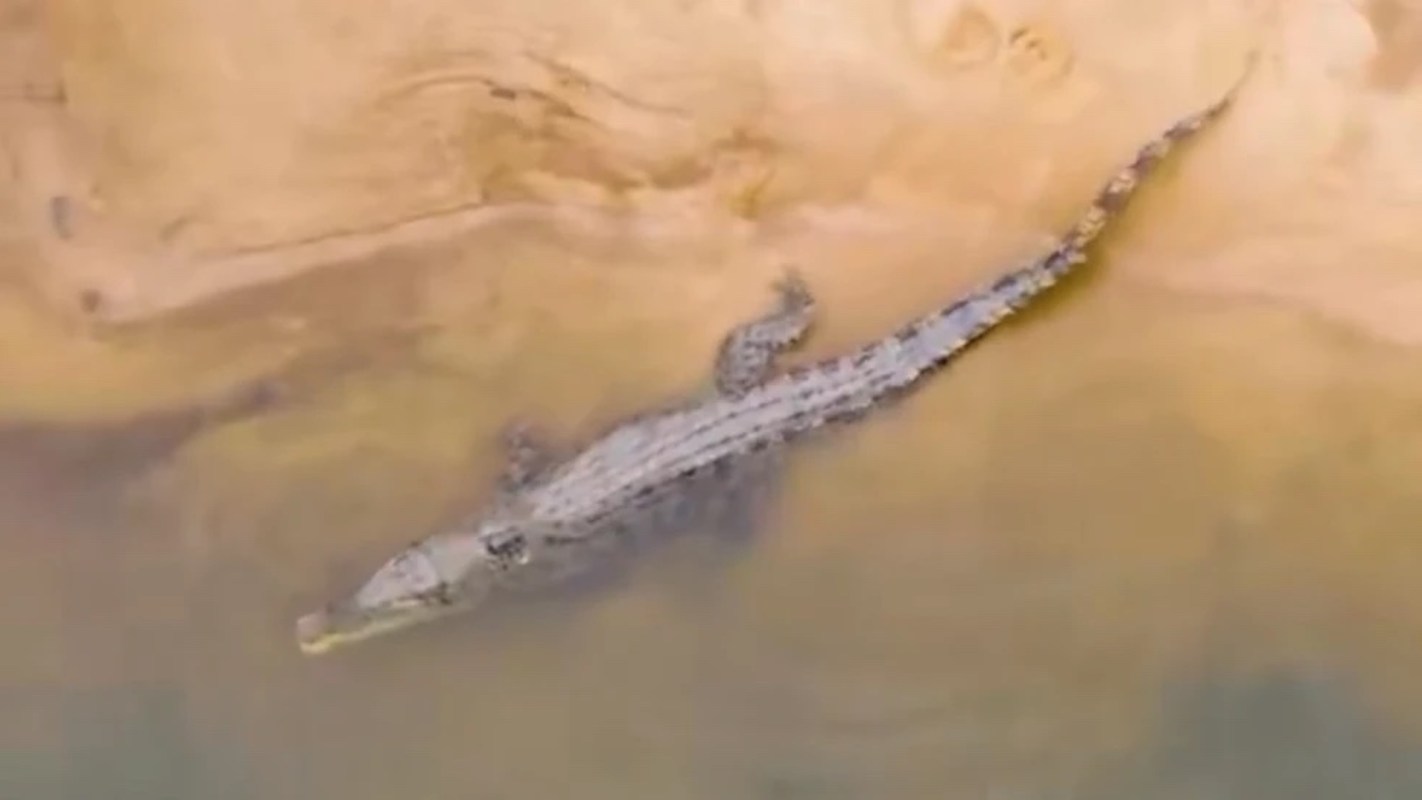
Conservationist Robert Irwin named the 300th crocodile tagged in a long-running Australian research project launched by his father, the late Steve Irwin, the BBC reported.
The animal was dubbed "Prince William" — honoring Prince William, the Prince of Wales — and highlighting science that could help both wildlife and people adapt to a changing world.
Here's what to know
The 12-foot saltwater crocodile was equipped with a "state-of-the-art" tracker, according to the outlet.
Irwin explained that the tag could give researchers 10 years of data about the animal's movements and its interactions with other crocodiles.
As for the choice of name, Robert Irwin acknowledged that he wanted to show "gratitude" for Prince William's "incredible conservation work."
He also called the crocodile an "extremely special modern-day dinosaur." Tracking can give researchers a clearer picture of crocodile behavior, habitat use, and survival as global temperatures rise.
TCD Picks » Quince Spotlight
💡These best-sellers from Quince deliver affordable, sustainable luxury for all




Irwin noted that the data was also expected to show "how climate change is affecting the body temperature of crocodiles."
More background
Robert Irwin and Prince William are already linked through conservation work tied to the Earthshot Prize, which Prince William launched in 2020.
According to the BBC, the annual competition recognizes people with major ideas for tackling environmental problems.
The project connects high-profile advocacy with field research, the kind of work that can generate practical information for protecting biodiversity over time.
Better wildlife tracking can help scientists and conservationists understand how large predators move through ecosystems, supporting smarter planning around habitats and human activity.
In places where people and wildlife live close together, better information often leads to better outcomes for both.
The Wales family also joined Irwin in naming a baby kangaroo in another conservation-focused effort.
The joey was named Cwtch, a Welsh word meaning "cuddle."
What's being done?
By tagging crocodiles over many years, scientists can build a deeper record of how these animals behave, how populations change, and how environmental pressures shape their lives.
When researchers can track changes in body temperature, movement, and interactions, they are better equipped to understand how species respond to rising heat and shifting ecosystems.
Those findings can help inform future conservation decisions and strengthen efforts to protect wetlands and other critical habitats.
Public figures can pitch in by raising the profile of this work.
Prince William's connection to the project could draw more attention to conservation science, while Irwin's platform makes that science more accessible to families and younger audiences.
Where can I learn more?
The crocodile-naming milestone is one small piece of a much bigger conservation effort. The stories below look at work in Australia, Cambodia, and elsewhere, to help threatened species survive in places they share with people.
• In Western Australia, scientists are testing a unique baiting system against toxic cane toads threatening crocodiles.
• In Cambodia, conservationists are celebrating landmark births of Siamese crocodiles, which were once pushed to the brink of extinction.
• In Cambodia, one of Earth's rarest reptiles is making a fragile comeback through focused protection.
• Across ecosystems worldwide, conservation actions are having a remarkable impact on species recovery and biodiversity.
• In an Indigenous-led effort, communities are advancing a native buffalo return with ecological benefits.
From tagging top predators to rebuilding fragile populations, this kind of work covers a lot of ground. It also places Prince William the crocodile in a broader story of protecting species as the climate changes.

Get TCD's free newsletters for easy tips, smart advice, and a chance to earn $5,000 toward home upgrades. To see more stories like this one, change your Google preferences here.







