


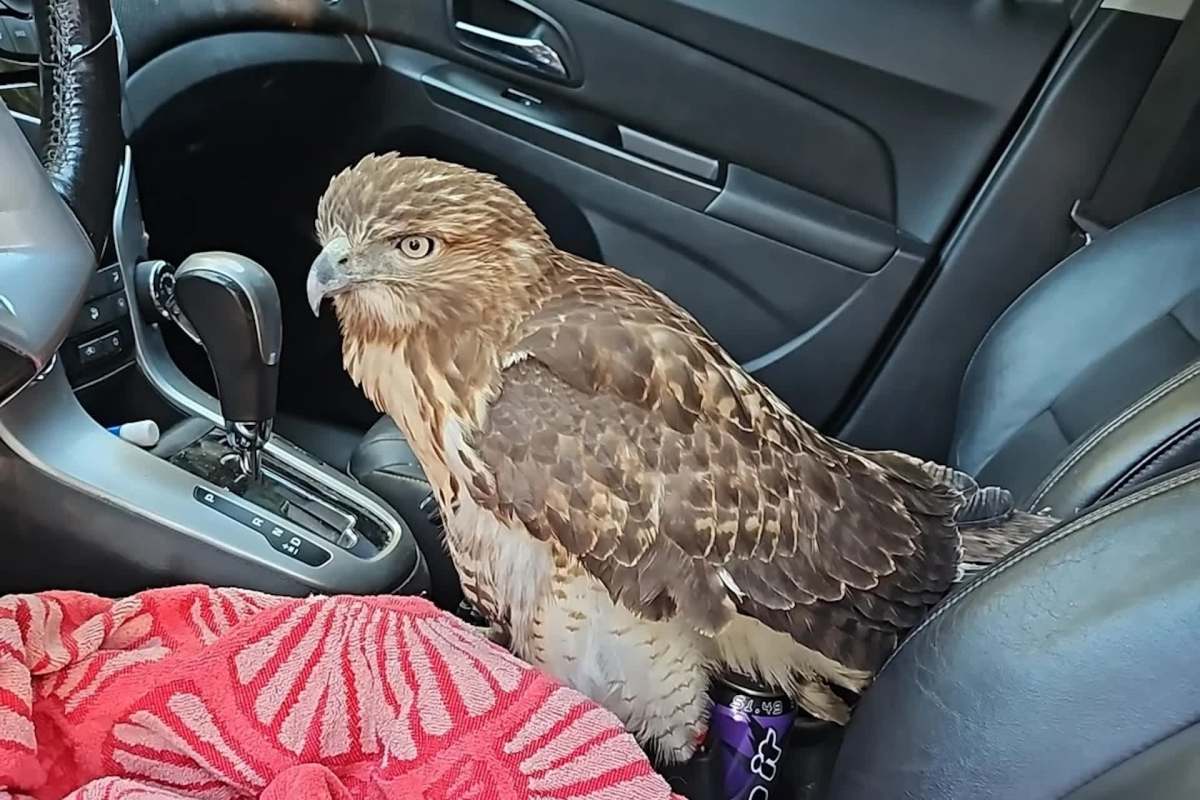
A simple roadside stop became a compassionate rescue effort after a Redditor spotted a hawk on the ground that could manage only short, low flights. Rather than driving away, the user reached out for help and began the process of getting the bird to safety.
Here's what to know
In a post on Reddit's wildlife rehabilitation forum, the OP described finding a hawk by the side of the road that seemed friendly but was unable to fly normally.
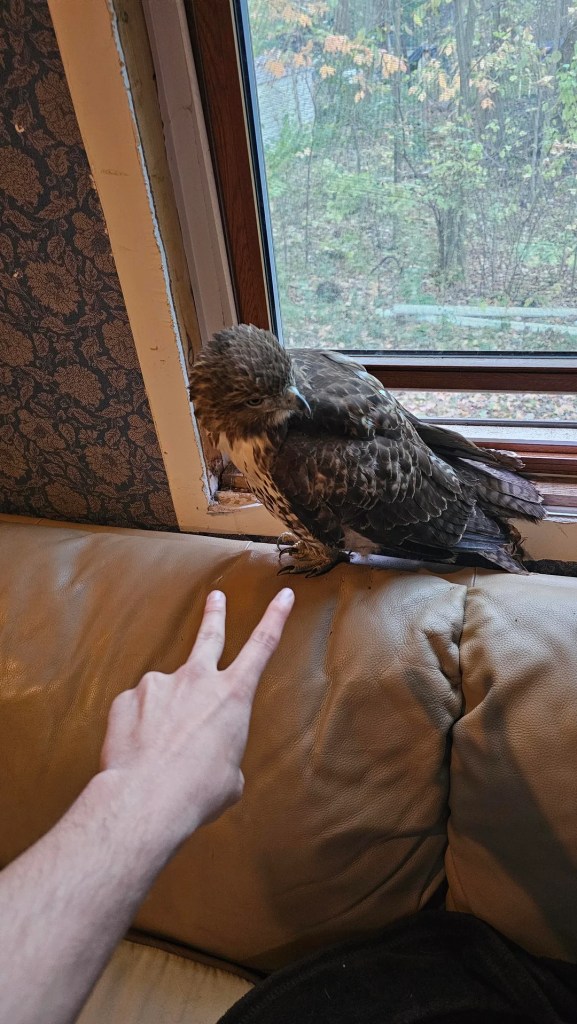

One of the key details in the post was that the hawk could lift off only briefly and stay low to the ground, the sort of information that can be useful when rescuers are trying to judge whether an animal needs professional care.
According to the post, animal control had already been contacted, and the finder was waiting for someone to come collect the bird. Until then, they said the only care they had provided was water, and they had started calling the hawk Kalossi.
The OP said, "He loves to be petted on his head."
While not every grounded bird is in immediate danger, a hawk lingering near a roadside and struggling to gain height can be a sign that something is wrong, whether because of injury, exhaustion, or another underlying issue.
TCD Picks » Quince Spotlight
💡These best-sellers from Quince deliver affordable, sustainable luxury for all




More background
A hawk that stays close to traffic or cannot take off properly faces obvious dangers, including further injury and the risk of being hit by vehicles.
What made the account especially useful was the specific description of how the bird was behaving. That kind of detail can matter when time is short, and rescue resources are limited, because it helps others evaluate the situation without being there in person.
Online communities can act as a bridge between concerned residents and trained responders. A quick post asking for advice can help someone confirm that what they are seeing is serious enough to warrant official intervention.
A single phone call can help protect an animal, reduce suffering, and connect professionals with a situation they otherwise might never have encountered.
What can be done?
When people come across wildlife that appears injured or unable to move normally, the safest next step is usually to contact animal control, a licensed wildlife rehabilitator, or another local authority rather than trying to manage the situation on their own.
Birds of prey can be especially vulnerable, and even when they seem calm, they may still be seriously hurt.
Keeping a safe distance, limiting stress, and reporting clear details about the animal's location and behavior can all help responders.
People who want to support better outcomes for animals in their own neighborhoods can also look into taking local environmental action, which can strengthen community response to wildlife issues.
And for those who want to back the organizations that often step in during these moments, it can help to learn more about donating money to climate causes, including efforts that support habitats and local resilience.
Unfortunately, this rescue didn't end so happily.
The OP said, "3rd update. It died :(."
One Redditor asked, "Whoa what happened??? I know a lot of people guessed that it had an injury or poisoning that was causing it to be so docile, but it seemed like it was at least somewhat stable when you had it."
The OP responded with an email informing them that the hawk had a shoulder injury and sadly had to be euthanized.
Where can I learn more?
Cases like this one come up more often than people realize, and they often hinge on someone recognizing that an animal needs help and getting the right people involved. From a hawk tangled in fishing line to an owl found on a road, each of these rescues underscores the same point: early action can make a real difference.
• At a local lake, firefighters delivered a successful rescue and positive outcome for a red-tailed hawk.
• On a roadside, police officers rescue injured owl from road as poisoning concerns grow.
• In Vancouver, wildlife experts worked to save northwest visitor against the odds after injury.
• In California, a retired anchorman pilot spent free time rescuing abandoned animals with his personal plane.
• In California, volunteer pilots flew rare baby skunk 400 miles so she could recover safely.
Each example is a reminder that vulnerable wildlife often fares best when people act quickly and trained responders can take over. That is why this Redditor's decision to call animal control mattered so much.

Get TCD's free newsletters for easy tips, smart advice, and a chance to earn $5,000 toward home upgrades. To see more stories like this one, change your Google preferences here.







