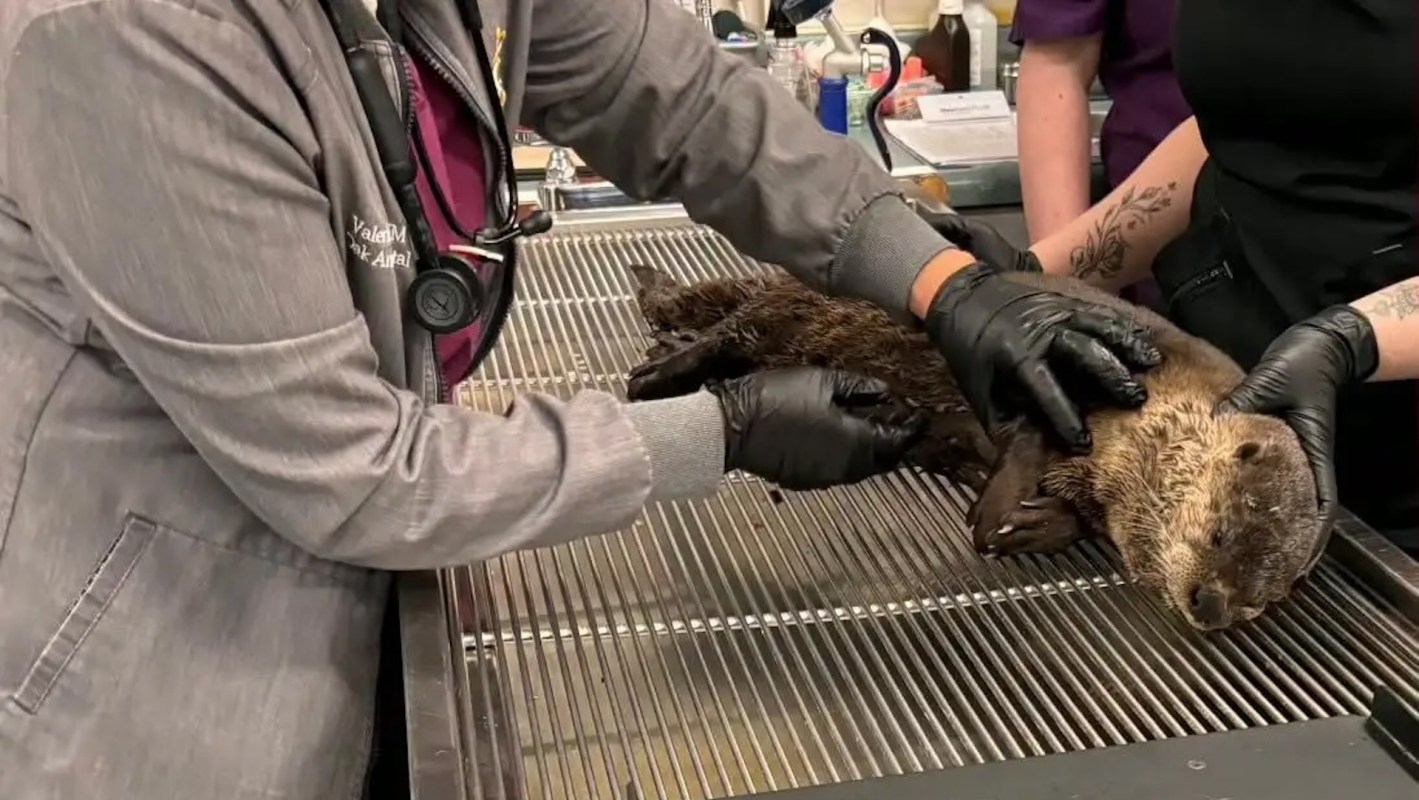
A river otter hit by a car in Vacaville, California, is getting a second chance after surviving head trauma and making enough progress to be released from veterinary care.
The update offers a rare bit of good news in a kind of wildlife story that too often ends differently, while also showing the role local rescue groups play when animals and roads intersect.
Here's what to know
A driver found the otter near Leisure Town Road and Foxboro Parkway at about 1 a.m. after the Aug. 14 collision, KRON4 reported. Rescuers said the crash caused head trauma, but the otter did not have any broken bones.
In its latest update on its Facebook page (@SolanoWildlife), Solano Wildlife Rescue and Education Center shared footage of the otter's release.
"This rescue truly took a village, and we are so grateful to everyone who helped give this little guy a second chance," the group wrote in the caption.
The river otter can be seen eagerly swimming away shortly after being let out.
TCD Picks » Quince Spotlight
💡These best-sellers from Quince deliver affordable, sustainable luxury for all




More background
Vehicle strikes are a serious hazard for wildlife, especially at night and in areas where development, roads, and habitat overlap.
Animals that roam, cross streets, or follow waterways near populated areas can face sudden danger even when they are healthy and behaving naturally. Wildlife hit by cars often suffers severe internal injuries, broken bones, or worse.
Fortunately in this case, the river otter was in good enough shape to make a rapid return with the help of a dedicated team.
The release location was well thought-out, as the group explained in a post ahead of the release. Solano Wildlife explained that they intentionally released the adult near its established home range.
The move allows the otter to quickly gather its bearings in its family's area and territory, minimizing confusion or wandering. It also maintains balance in the local ecosystem among other otters and other animals, giving the otter the best chance of survival.
"An adult river otter isn't just being released somewhere it can live—whenever safe and appropriate, we're trying to return it home," the rescue wrote.
What's being done?
The Solano County Wildlife Rescue and Education Center asked for donations to help pay for the otter's medical care and rehabilitation, as well as treatment for other animals in its care.
That support can help local organizations respond quickly when injured wildlife needs specialized treatment.
With the river otter back in its home area, it now had a great chance at regaining a foothold after the vehicle strike.
"Keep on swimming, little one!" the rescue exclaimed on Facebook. "You made it home!"
Where can I learn more?
The Vacaville rescue is one example of what otters and other wildlife face as they move through developed areas. The articles here explore road dangers, rehabilitation, and how some species are adapting in changing habitats.
• After a deadly roadside loss, USFWS says the young otter is recovering and doing really well.
• On Catalina Island, cars are killing foxes even after the species rebounded in California.
• In Monterey, sea otters brought good news for California by helping reshape a troubled ecosystem.
• Across the Chesapeake, river otters are back in urban waterways from Baltimore to Norfolk.
• Off the Oregon coast, scientists recorded a rare otter species absent for more than a century.
These different stories add context to why this otter's recovery matters beyond a single crash. They also show how local rescue work ties into larger wildlife survival trends.

Get TCD's free newsletters for easy tips, smart advice, and a chance to earn $5,000 toward home upgrades. To see more stories like this one, change your Google preferences here.