


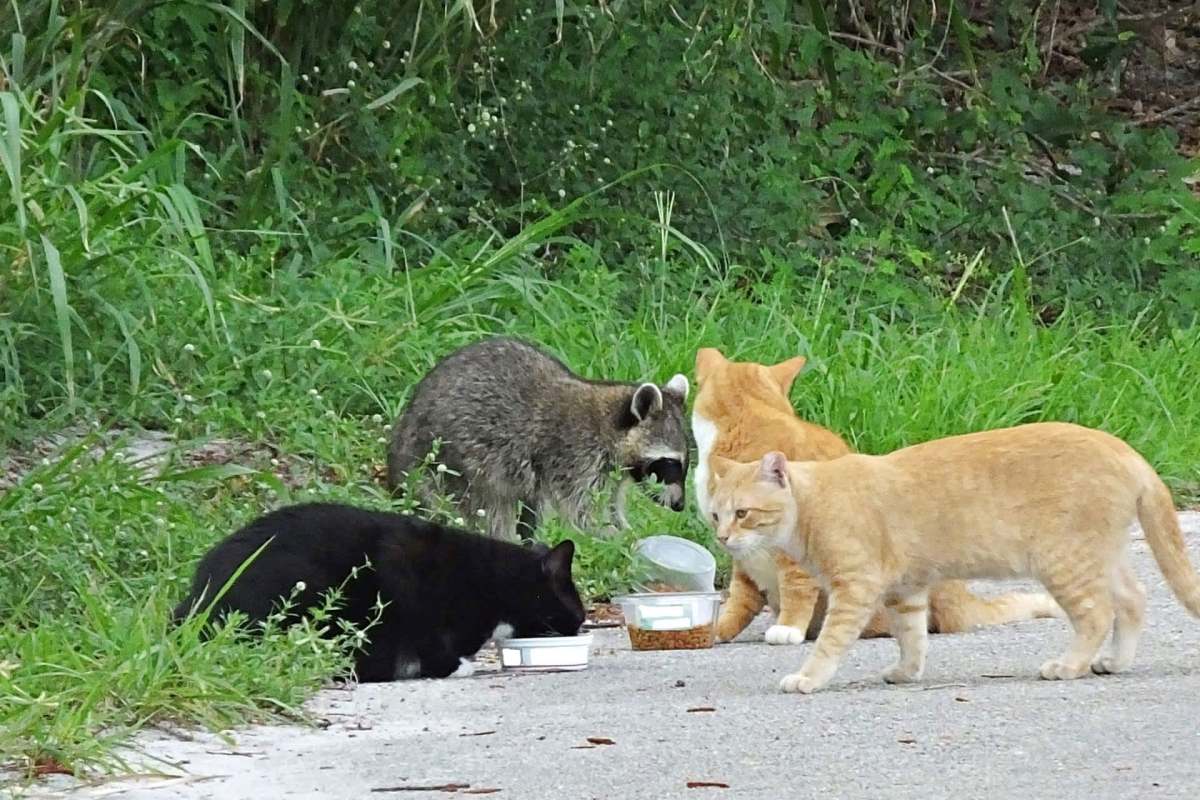
In Ripon, California, officials are preparing to crack down on residents who leave food out for feral cats, saying the practice threatens the endangered riparian brush rabbit, a species found only in parts of the lower Stanislaus and San Joaquin rivers.
Here's what to know
After a warning, people who keep feeding feral cats on public property could face a $100 fine under a proposed change to Ripon's municipal code, CBS News Sacramento reported. The measure would also prohibit feeding other stray animals on public property.
Residents have told CBS News Sacramento that feral cats are a regular sight around Mavis Stouffer Park, where bowls of food are regularly left out for them by locals.
For Susan Manning, who has worked with Tri-County Wildlife Care, the act of feeding the strays is concerning for its potential impacts on local wildlife. "If people feed, they breed," she said, as reported by the outlet, explaining that a steady food source can increase feral cat populations.
She also said the behavior is widespread, noting that "one in seven Americans feeds cats that they don't own."
More background
Conservationists in the region tried to restore the endangered riparian brush rabbit after a major flood nearly wiped out the species three decades ago, according to CBS News Sacramento.
TCD Picks » Quince Spotlight
💡These best-sellers from Quince deliver affordable, sustainable luxury for all




Feral cats pose two dangers to the rabbits: they are effective hunters, and they can spread disease. For an animal already surviving within a limited range, those threats can undercut years of recovery work.
The proposed Ripon ordinance reflects a broader conservation challenge playing out in communities across the country: balancing concern for stray animals with the protection of native wildlife. Outdoor and feral cats are recognized as a serious threat to birds, small mammals, and reptiles, especially in places where endangered species already live in fragmented habitats.
The city's plan would begin with a warning rather than an immediate penalty. CBS News Sacramento reported that residents who continue feeding feral cats on public property after that could then receive a citation.
According to CBS News Sacramento, the ban would take effect after the Ripon City Council completes a second reading of the ordinance.

Get TCD's free newsletters for easy tips, smart advice, and a chance to earn $5,000 toward home upgrades. To see more stories like this one, change your Google preferences here.







