


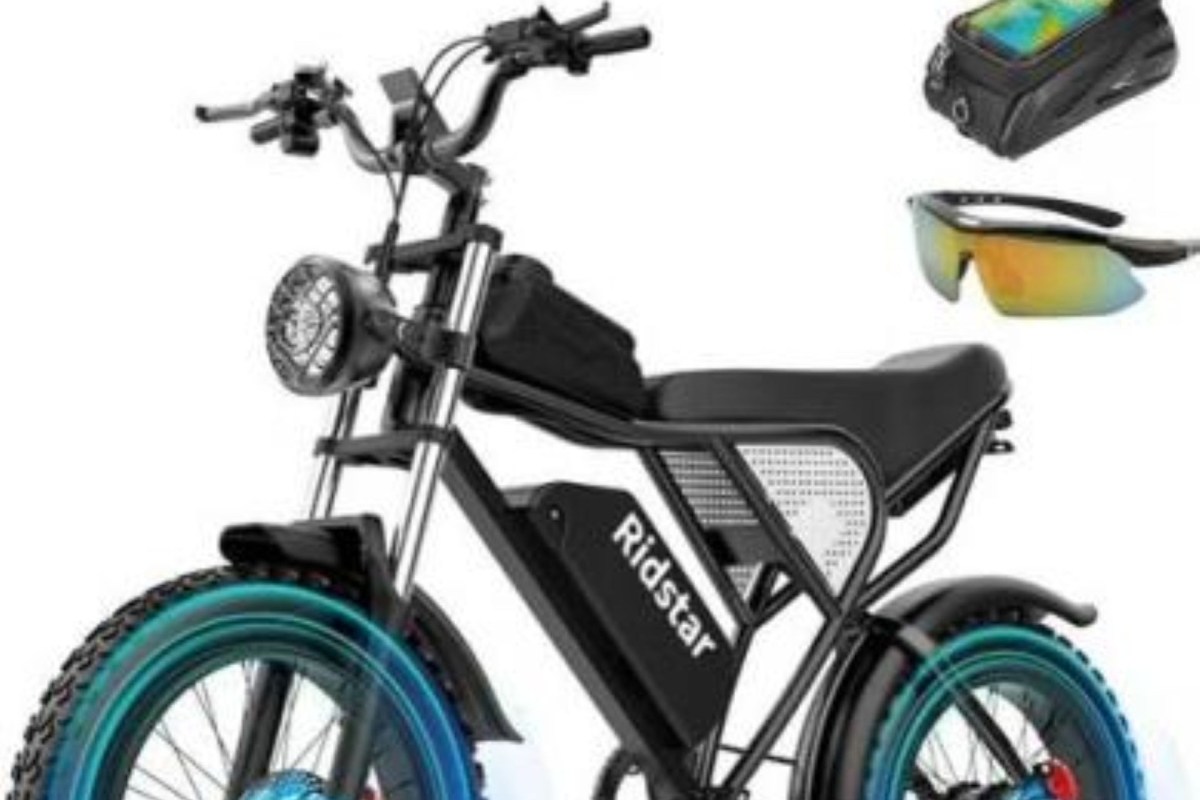
A federal announcement is warning some e-bike riders after dozens of reports that the front wheel can come off without warning.
What happened?
With this latest alert, certain Ridstar bikes have now been the subject of two federal warnings in three months.
In March, the U.S. Consumer Product Safety Commission said anyone with a Ridstar Q20 or Q20 Pro should "remove the battery from the e-bike immediately and dispose" of it due to their potential to pose a fire hazard.
Now, the CPSC has issued its second warning about Ridstar Q20 bikes since the beginning of March, urging riders to "stop using the e-bikes immediately and dispose of them" due to concerns that the front wheels may suddenly detach.
Federal regulators have received 32 reports involving front wheels detaching from those bikes, according to Bicycle Retailer. Of those incidents, 31 led to injuries, including concussions, broken bones, scrapes, and bruises.
In both cases, the CPSC said the China-based manufacturer, Huizhou Xingqishi Sporting Goods Co. Ltd., failed to respond to agency requests for information about the products or a possible recall, per Bicycle Retailer.
TCD Picks » Quince Spotlight
💡These best-sellers from Quince deliver affordable, sustainable luxury for all




Why does it matter?
A front wheel detaching during a ride is one of the most serious defects a bike can have. Riders can be thrown off violently, leading to serious injuries.
For people who rely on an e-bike for commuting, errands, or everyday travel, that kind of defect can turn a routine ride into an emergency within seconds.
The affected black Ridstar Q20 and Q20 Lite e-bikes were available through AliExpress.us, Amazon.com, Ridstar.net, and Walmart.com.
What can I do?
If you own a Ridstar Q20 or Q20 Lite, the CPSC says to stop riding it immediately. Owners can check their receipts for the model number, as the designation is printed there. The battery is also marked with "Ridstar."
The agency is also urging consumers to be careful about disposal. The CPSC advises against putting the lithium-ion battery or the e-bike in household trash, curbside bins, or store battery-drop boxes.
Defective lithium-ion batteries require different handling because of their increased fire risk. Contact your city or county waste program to find out whether a local hazardous household waste site can take the battery.

Get TCD's free newsletters for easy tips, smart advice, and a chance to earn $5,000 toward home upgrades. To see more stories like this one, change your Google preferences here.







