


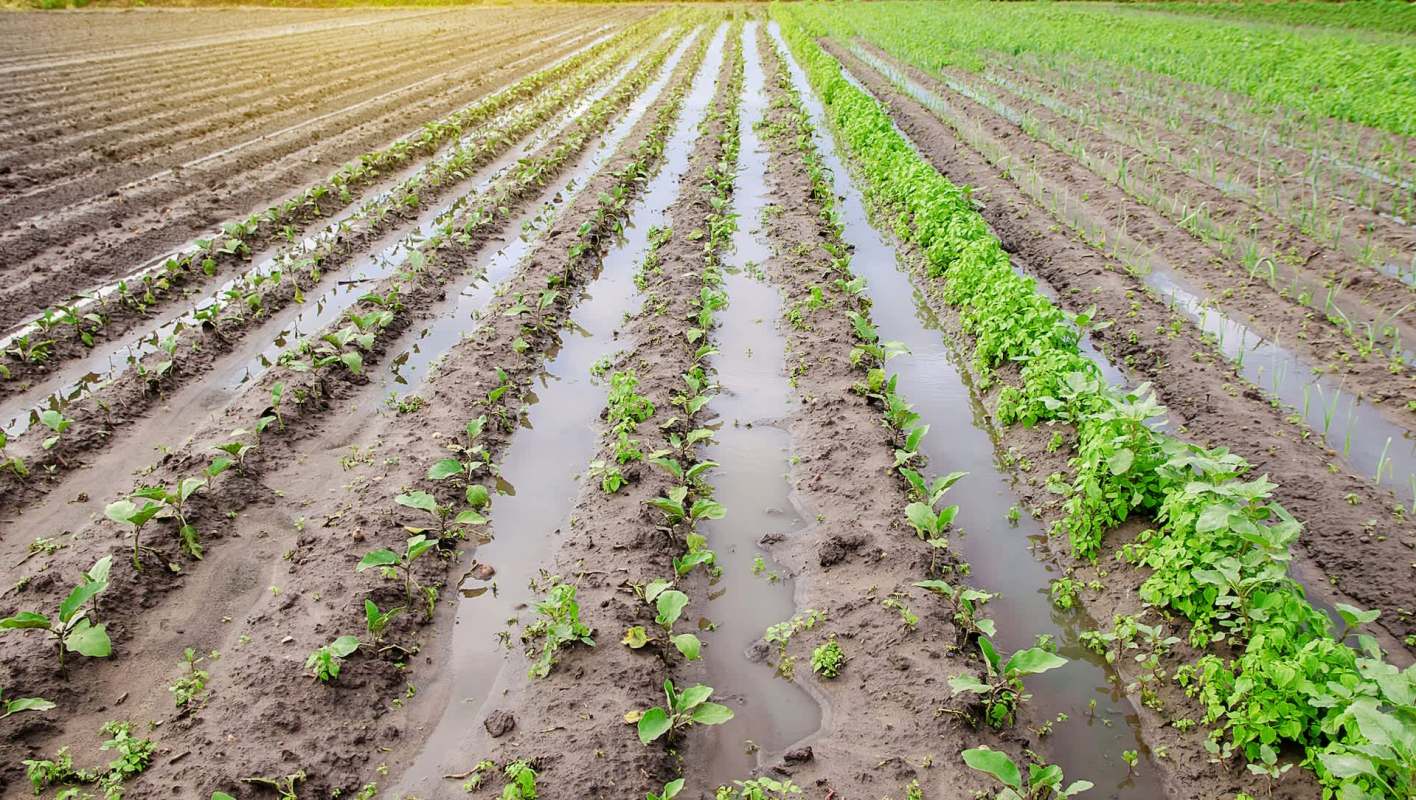
Rice farmers are struggling because of the changing climate, and the experiences of a pair of communities shows how widespread the problem has become.
What's happening?
Rising global temperatures are wreaking havoc on this agricultural sector, and FairPlanet reported on the similarities and differences in Asia and Africa's most populous nations.
In the Kashmir region of India, "rice farming is not just an occupation, it is a way of life," supporting livelihoods and shaping rural identity and tradition, the nonprofit outlet stated. Hotter weather and resulting erratic rainfall, however, have created a crisis for farmers.
"Kashmir is 4 degrees Celsius [7.2 degrees Fahrenheit] warmer than what it used to be a decade ago," climatologist and agronomist Latief Ahmad said. Winter and spring precipitation in some areas has dropped by 16.7 millimetres (6.6 inches).
"These extreme changes disturb the seed window," Ahmad told FairPlanet. "In most cases, the plant skips its natural vegetative phase and directly enters the reproductive phase, which shortens the growth period and ends up in low yields."
A continent away in Niger state, Nigeria, the problem is similar. A drought lowered Adamu Mohammed's yield in Mokwa from 50 bags of rice to six.
TCD Picks » Quince Spotlight
💡These best-sellers from Quince deliver affordable, sustainable luxury for all




Why is this important?
Reduced precipitation has been devastating for water-hungry rice and the people who rely on it. Less rice destabilizes farmers' livelihoods, but the effect is much more widespread. There are 150 million rice farmers around the world, and they feed 4 billion people every day, FairPlanet reported.
"Paddy is not like other crops; it needs stagnant water in the fields for a long time. Ideally, there should be at least half an inch of water standing, and if not that, then at least the soil should remain moist. Without that, the crop simply can't survive," Sartaj Ahmad Shah, Kashmir's director of agriculture, said.
In Nigeria, the country has had to rely on imports of 3 million tonnes (3.3 million tons) annually because of spiraling production.
Adamu Mohammed has two hectares of fields and expected the crop he planted in 2024 to feed his family and provide enough income to repair their home, which was damaged by wind and rain. But a drought has kept the father and his six children in his parents' house.
|
What is the biggest reason you don't grow food at home? Click your choice to see results and speak your mind. |
 Not enough time ⏳
 "In the end, instead of getting profits, it turned me into a debtor because I had to borrow to survive," Mohammed said. "The situation becomes a family challenge because it is the proceeds from the harvest that I use to buy other foodstuff for the house. But everything was cut off."
What's being done about rice crop collapses?
In Kashmir, the Sher-e-Kashmir University of Agricultural Sciences and Technology since 2003 has funded farmers' switches to crops that don't require as much water. Gene-edited cereals, legumes, and more — bred for resilience and productivity — are distributed, and 10-15% of rice paddies have been converted.
In Nigeria, flooding has been an issue in other areas, and farmers have started planting rice in the dry season instead of the wet season to compensate. They are also investing in irrigation systems to manage their crops, though the expense is prohibitive.
Because the average temperature in the West African nation could rise 1.5 to 3.0 degrees Celsius (2.7-5.4 degrees Fahrenheit) by 2050, according to FairPlanet, Mohammed said the government needs to step in.
To slow this rapid rise, individuals can help by upgrading their homes to be more energy-efficient, using less plastic, and shopping at thrift stores. As a bonus, these steps will save you money and contribute to cleaner air in your community.

Join our free newsletter for good news and useful tips, and don't miss this cool list of easy ways to help yourself while helping the planet.







