


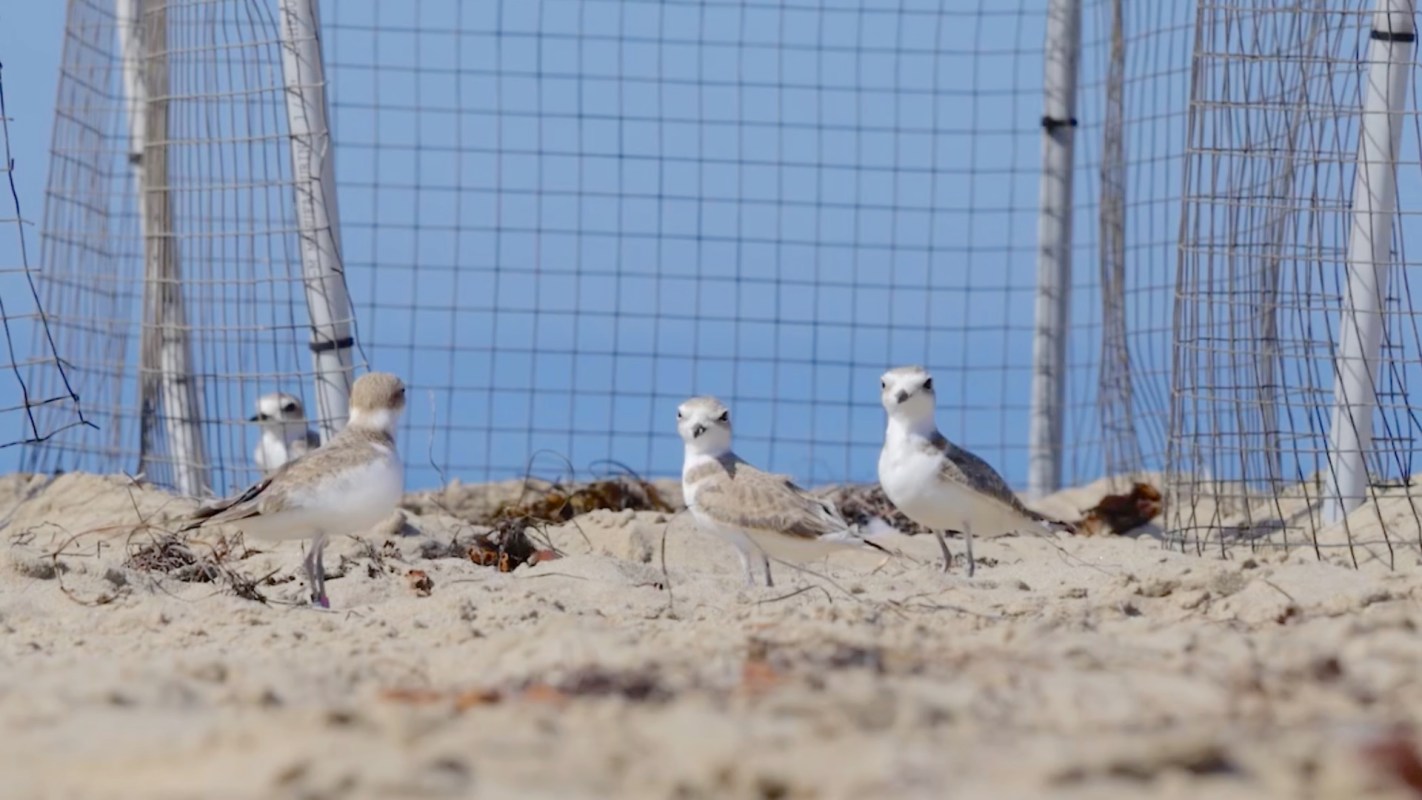
At Coal Oil Point Reserve in Isla Vista, the Santa Barbara Zoo released 11 rescued western snowy plovers back into the wild in partnership with UC Santa Barbara and the U.S. Fish and Wildlife Service.
This final group is equipped with devices that will allow conservationists even more insight into the tiny species.
Here's what to know
The Santa Barbara Independent detailed the zoo's final release of the season that included returning 11 western snowy plovers to Coal Oil Point Reserve. The Santa Barbara Zoo shared footage of the release on its Instagram account (@santabarbarazoo).
As the post described, the birds came through a rescue effort that collects abandoned eggs and chicks from tri-county beaches, hatches and raises them, and then releases them back into the wild.
In 2026, the paper reported intake included 69 eggs and chicks, and 42 birds were later released, bringing the program's total since 2016 to 212 and eclipsing the 200-bird mark.
More background
After habitat loss and human disturbance drove down their numbers, western snowy plovers were listed as threatened under the Endangered Species Act in 1993, the Independent reported.
TCD Picks » Quince Spotlight
💡These best-sellers from Quince deliver affordable, sustainable luxury for all




Julie Barnes, vice president of animal care and health at the zoo, told the publication the aim is to intervene before the decline worsens.
"It's much more difficult to recover a species once they've reached the endangered status than when they're at the threatened stage," Barnes explained.
At Coal Oil Point, the conservation strategy has focused on making room for wildlife without excluding the public from the beach, the Independent reported. Researchers determined that human activity was the main reason the birds had stopped nesting there.
According to reserve director Cristina Sandoval, fencing combined with a docent program quickly reversed that pattern.
"They immediately started nesting again after 40 years," Sandoval remarked to the paper.
That success helped shape a broader plover conservation effort that also received training support from the Monterey Bay Aquarium. The release is intended to show that public beaches can stay open while still protecting nesting habitat.
In difficult years, that extra support can matter even more. Sandoval noted to The Independent that the partnership helps "pump some plovers into the population," providing a buffer in periods of high mortality.
What's being done?
The birds released in 2026 returned to the coast with more than colored leg bands. For the first time, the 11 rehabilitated plovers also carried radio- and Bluetooth-based tracking devices that will help conservationists monitor them after release.
The Independent noted those trackers feed information into the Motus network, an international research collaboration focused on migratory animals.
"Now, this allows us to understand movement and survivorship," elaborated Nadya Seal Faith, a conservation and science associate at the zoo, to the publication. "That … can directly go back and inform our management."
Beachgoers also have a direct role in protecting that progress by staying outside roped-off nesting areas from March through September, keeping dogs leashed and using designated dog beaches, avoiding kites and drones near nesting sites, and packing out food scraps that can attract predators.
Barnes said the release represented something larger than one successful day on the sand.
"I mean, this is our mission," she told the Independent. "This is why we all work at the zoo."

Get TCD's free newsletters for easy tips, smart advice, and a chance to earn $5,000 toward home upgrades. To see more stories like this one, change your Google preferences here.







