


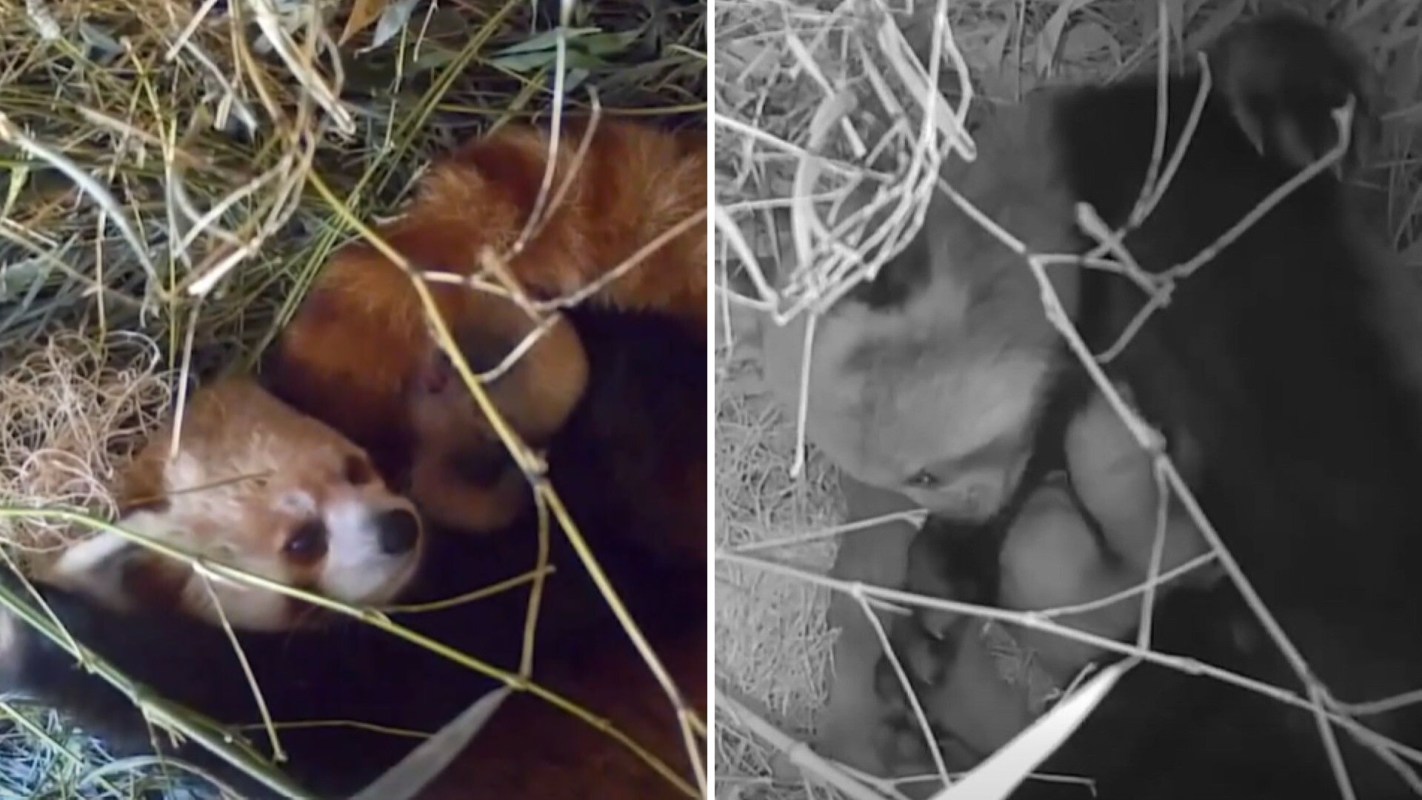
More than three decades after its last red panda birth, the Santa Barbara Zoo is celebrating a rare arrival: twin cubs from first-time parents Ruby and Raj.
For an endangered species, the birth marks a meaningful step for conservation.
What happened?
According to KEYT, the twins were born July 2, making them the zoo's first red pandas born since 1993.
Officials said the cubs look healthy so far, but red panda cubs face their greatest risk during the first few weeks of life.
Calling the birth "an extraordinary milestone," Santa Barbara Zoo President and CEO Charles Hopper said it reflects "the exceptional dedication, expertise, and patience of our Animal Care & Health team." He also said the zoo is proud to take part in the Red Panda Species Survival Plan through the Association of Zoos and Aquariums.
To give Ruby a quiet place to care for them, she and the cubs are staying behind the scenes in their nest box. Guests can still see their father, Raj, in the habitat.
TCD Picks » Quince Spotlight
💡These best-sellers from Quince deliver affordable, sustainable luxury for all




Ruby arrived at the zoo in 2025, and Raj came in 2023.
Why does it matter?
For endangered animals, healthy cubs can bolster carefully managed breeding programs that help preserve genetic diversity and support the species' future.
Hopper said the cubs "symbolize the meaningful role the Santa Barbara Zoo plays in wildlife conservation at the local, regional, national, and international levels."
What's being done?
Veterinary and animal care staff are regularly checking on Ruby and her newborns as the cubs continue developing.
Zoological Manager Liz Cunningham said, "It is a very vital time for the mom to spend time with the cubs in a nice quiet area so that is why she is behind the scenes at this point and time."
That hands-on care began before the cubs were born. Santa Barbara Zoo Keeper Joseph MacPhee described how staff were able to check Ruby during her pregnancy, saying, "She stands on her back feet with her front paws on the front (rail) and she let's us ultrasound her abdomen."
For now, the cubs are expected to stay away from the habitat for about three months while staff monitor their development and well-being.

Get TCD's free newsletters for easy tips, smart advice, and a chance to earn $5,000 toward home upgrades. To see more stories like this one, change your Google preferences here.







