


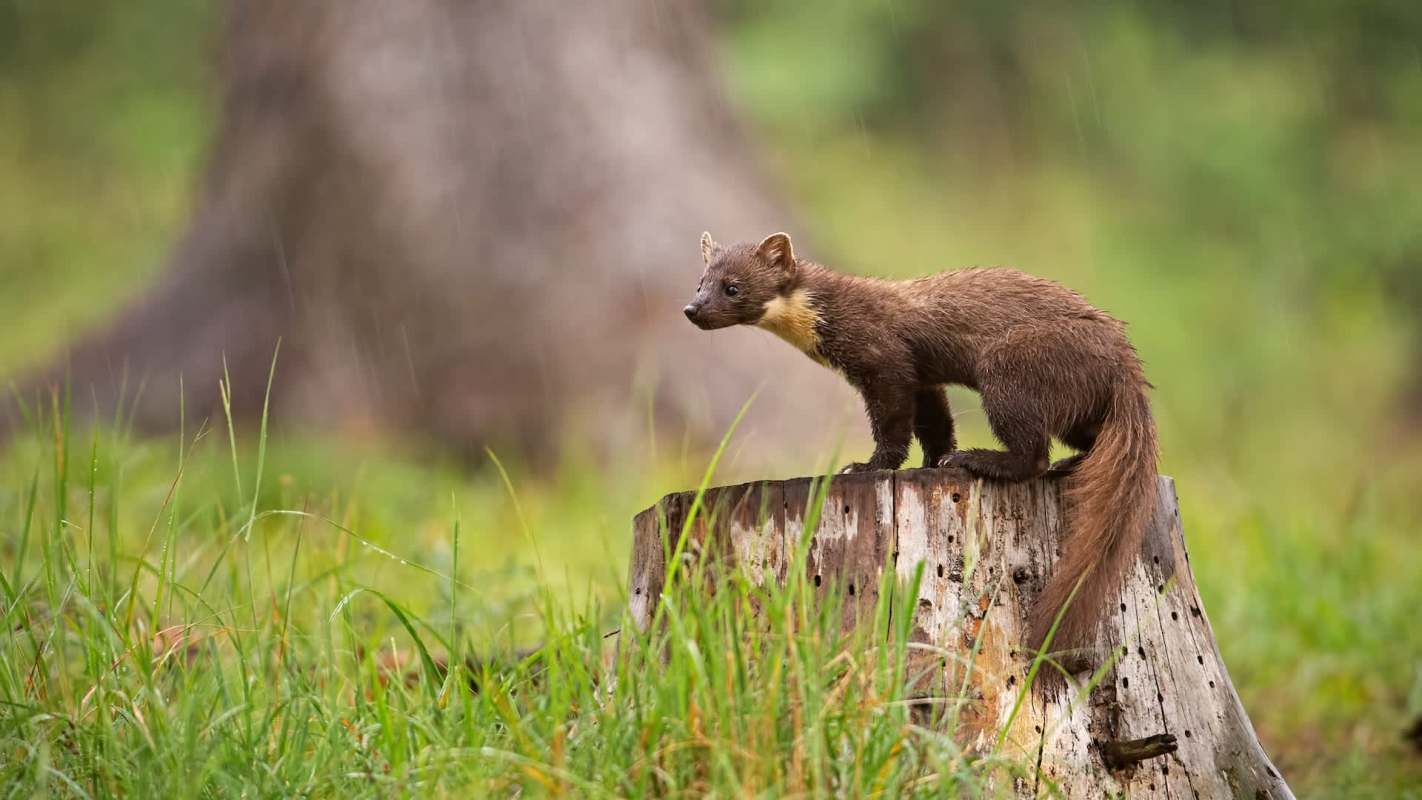
A pine marten, one of Sussex's rarest native mammals, has been spotted in the county for the first time in over 100 years.
Last month, the animal was caught on camera in a garden in Worthing, an unexpected hint that the species may be returning after a long absence from the area.
What happened?
According to Great British Life, Sussex had not officially recorded a pine marten since 1923, when one was documented in Woolbeding, north of Chichester.
After contacting local animal rescue centers, Fran Southgate — nature recovery manager for Sussex Wildlife Trust — said she believed it was a "wild animal" and called the discovery a "highly unusual sighting."
Explaining why the image drew so much attention, Southgate said: "The reason for the excitement is that the nearest known breeding colony of pine marten is in the New Forest in Hampshire."
"The only verified sighting of a pine marten in the South East this year was in Surrey," she added.
TCD Picks » Quince Spotlight
💡These best-sellers from Quince deliver affordable, sustainable luxury for all




Pine martens are seen more often in northern parts of the United Kingdom and belong to the mustelid family, which also includes weasels, stoats, and badgers.
Why does it matter?
Sussex Wildlife Trust said pine martens "play important roles, which contribute to a biodiverse environment, by dispersing the seeds they eat as well as influencing small mammal populations through predation."
For Southgate, the sighting could be "a very exciting development in the recovery of native species to Sussex."
What's being done?
For the last three years, Sussex Wildlife Trust has backed the South East Pine Marten Recovery Project, which is looking at whether pine martens can be restored to the region.
This latest sighting does not confirm that Sussex already has a breeding population, but it suggests the area may be better suited to the species than it has been for generations. Evidence like this can help guide future conservation planning, including decisions on habitat protection and wildlife corridors.
Southgate said the sighting underlined wildlife's ability to rebound: "It goes to show how resilient wildlife can be. If we restore the resources, habitat networks and migration routes they need, nature can and will recover."
"I can't wait to see where the next pine marten appears," she added.

Get TCD's free newsletters for easy tips, smart advice, and a chance to earn $5,000 toward home upgrades. To see more stories like this one, change your Google preferences here.







